









Growing Ground Cherries - A Guide for NYC Gardeners

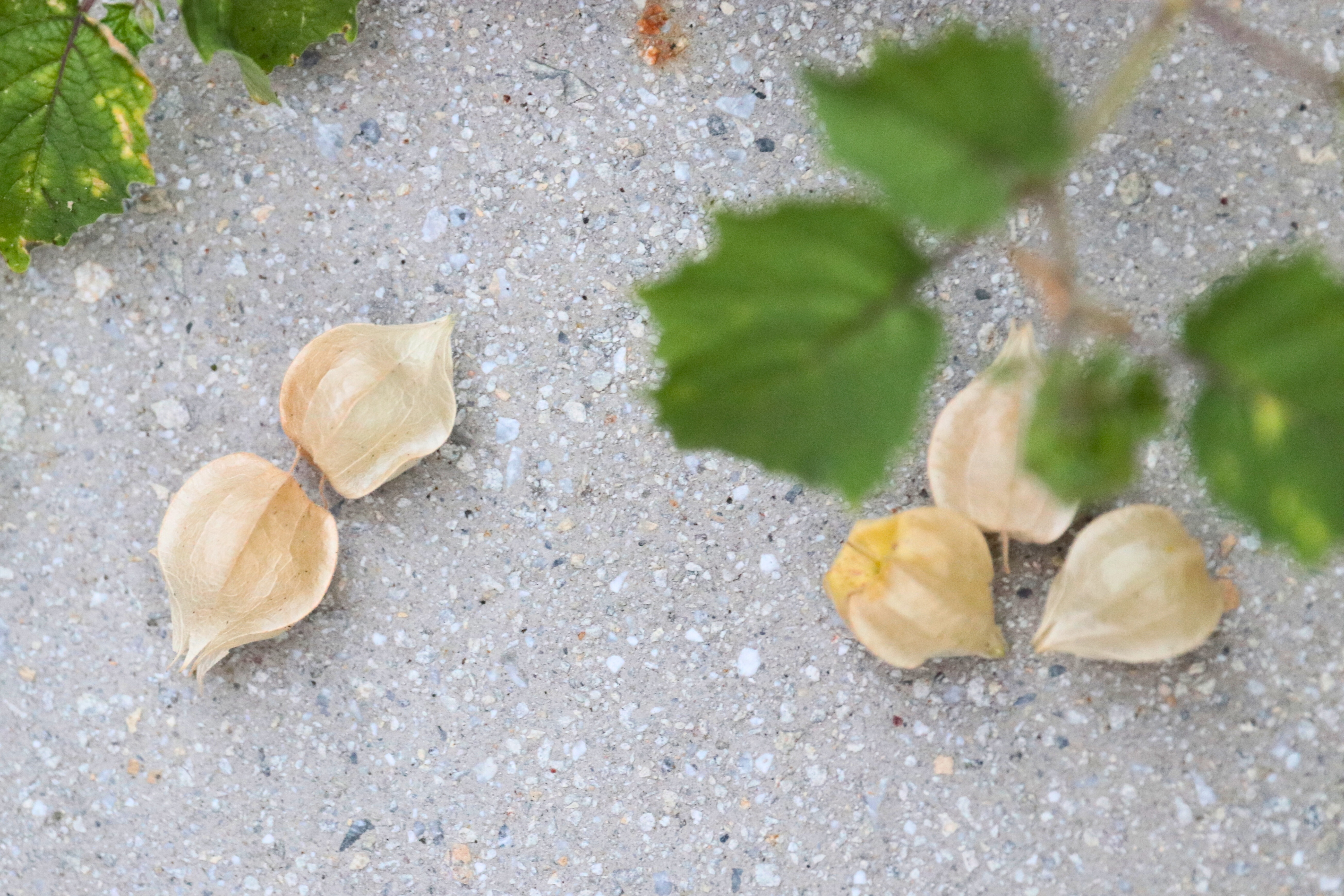
Dried ground cherry husks scattered on concrete in an urban garden setting

Where it Fits in NYC

List all icons of attributes directly under header image above like: container sizes, indoor/outdoor, hydroponic, spaces, click here to get seeds, difficulty, pollinator, cool/warm weather, perennial/annual, best month to plant, best month to harvest, etc.

Why I Grow It

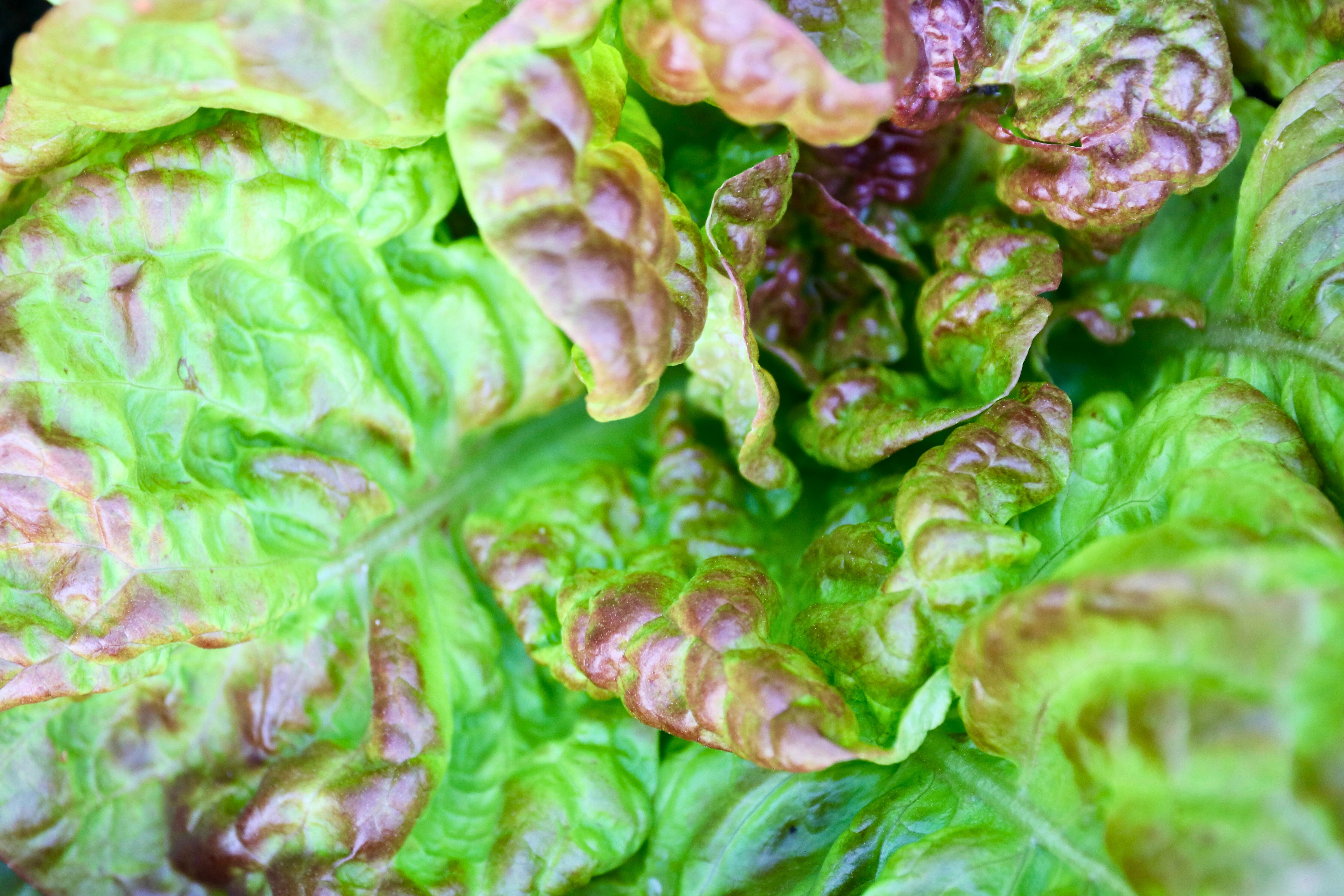
I grow ground cherries because they are a rare find. It's their unique flavor that makes them worth growing. Since my space is tight, I intercrop them with arugula or lettuce to maximize every square inch. I love how productive they stay even in small pots. My favorite is to eat ripe ground cherries as I work in the garden. It's like a little reward for my hard work. And I love sharing them with friends as well.

get your seeds now

Growth Essentials

Light

Ground cherries prefer 6-8 hours of direct sunlight.

Indoors: Not suitable for indoor growing; best grown outdoors in pots or garden beds.

Water

Keep soil consistently moist. Indoors, monitor soil moisture frequently; outdoors, water regularly, especially in full sun conditions. Mulching helps retain moisture.

Temperature

Ground cherries are a warm weather crop and prefer 70-85°F, ideally 75-80°F. Plant outdoors in May-June in NYC zone 7b. Requires heat for optimal fruiting.

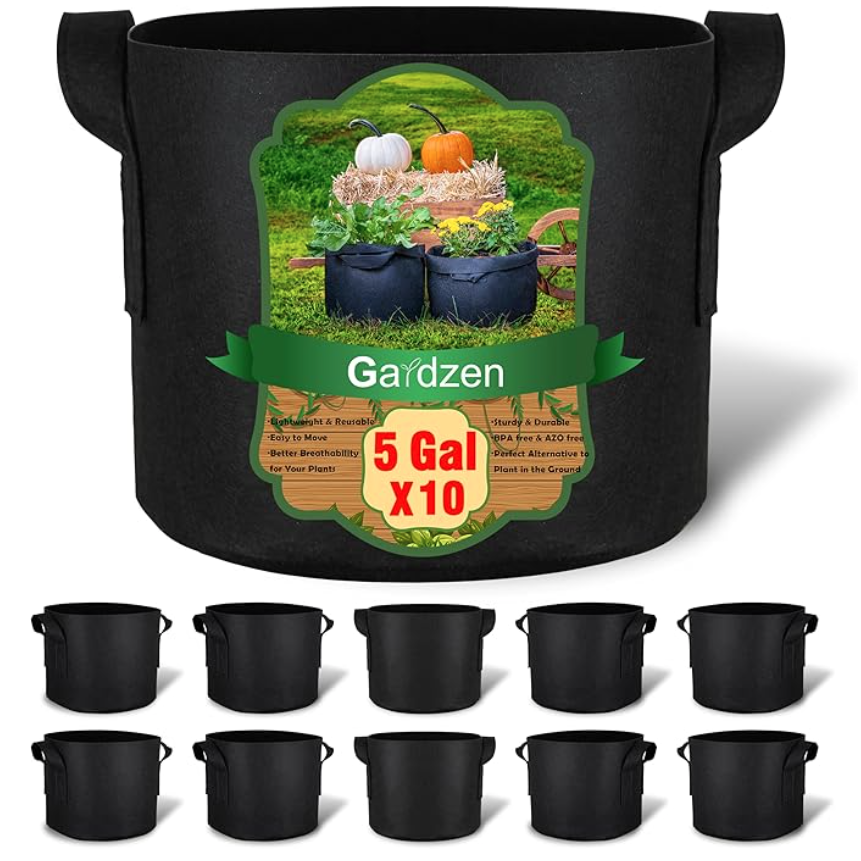
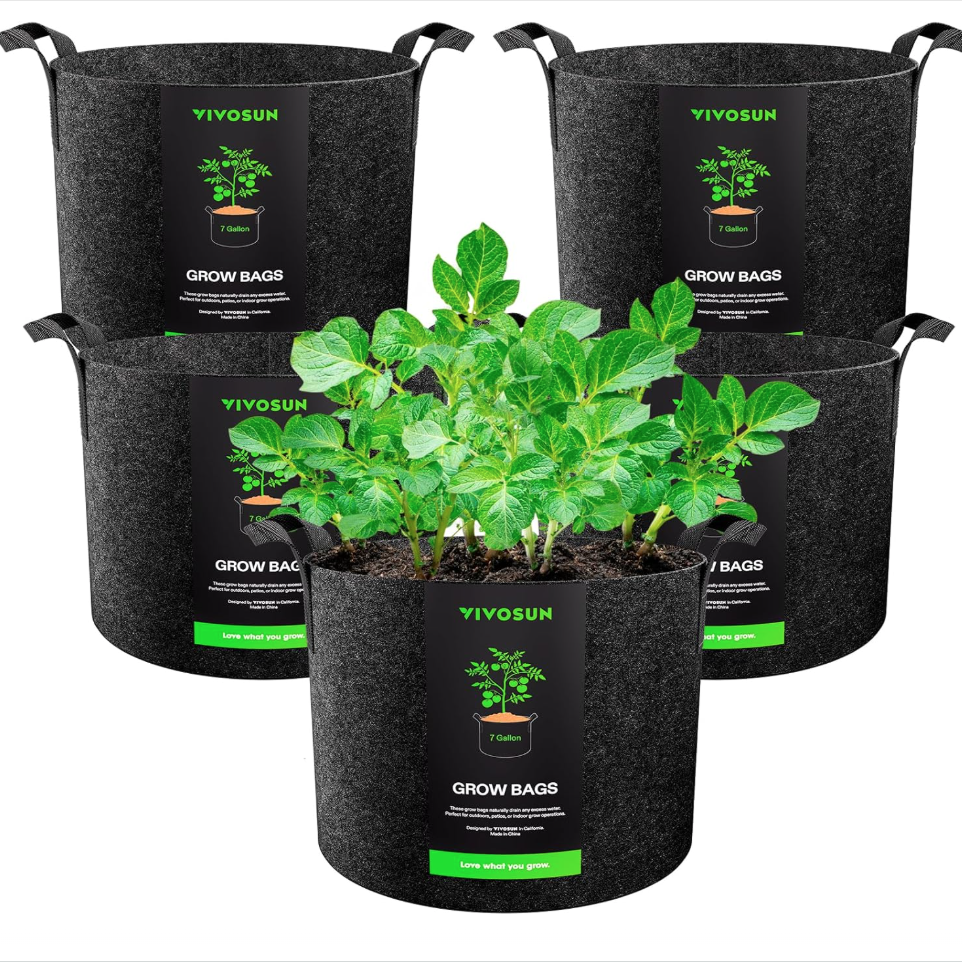
Containers

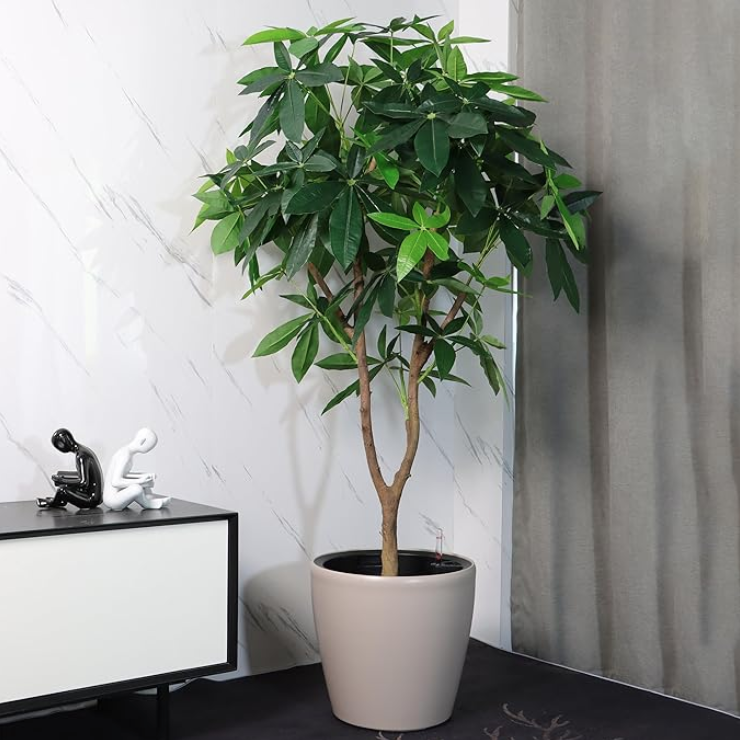
Indoors: 10-12" wide, 10" deep, 3 gallons.

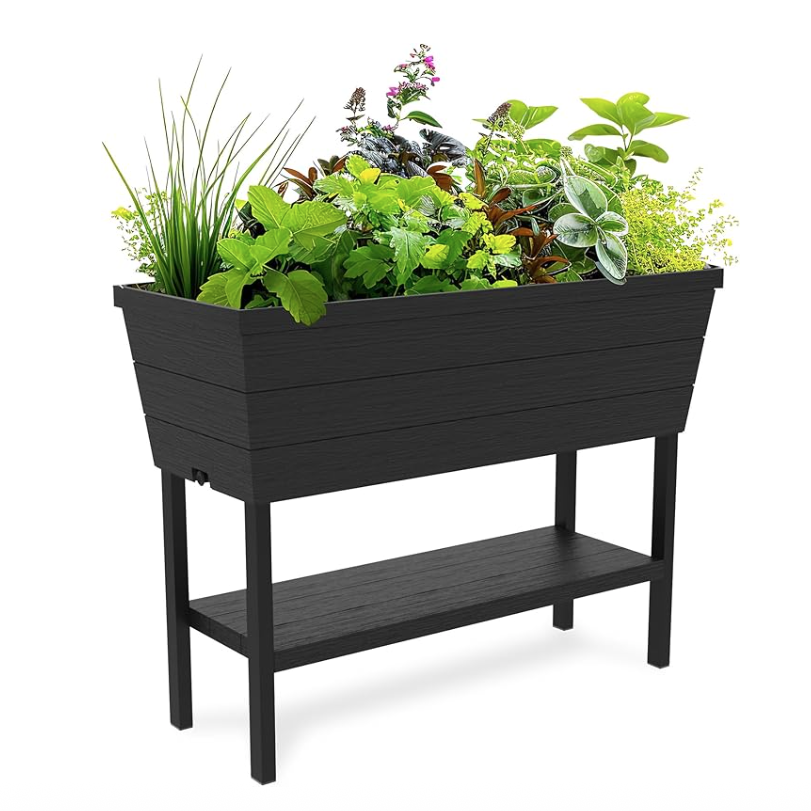
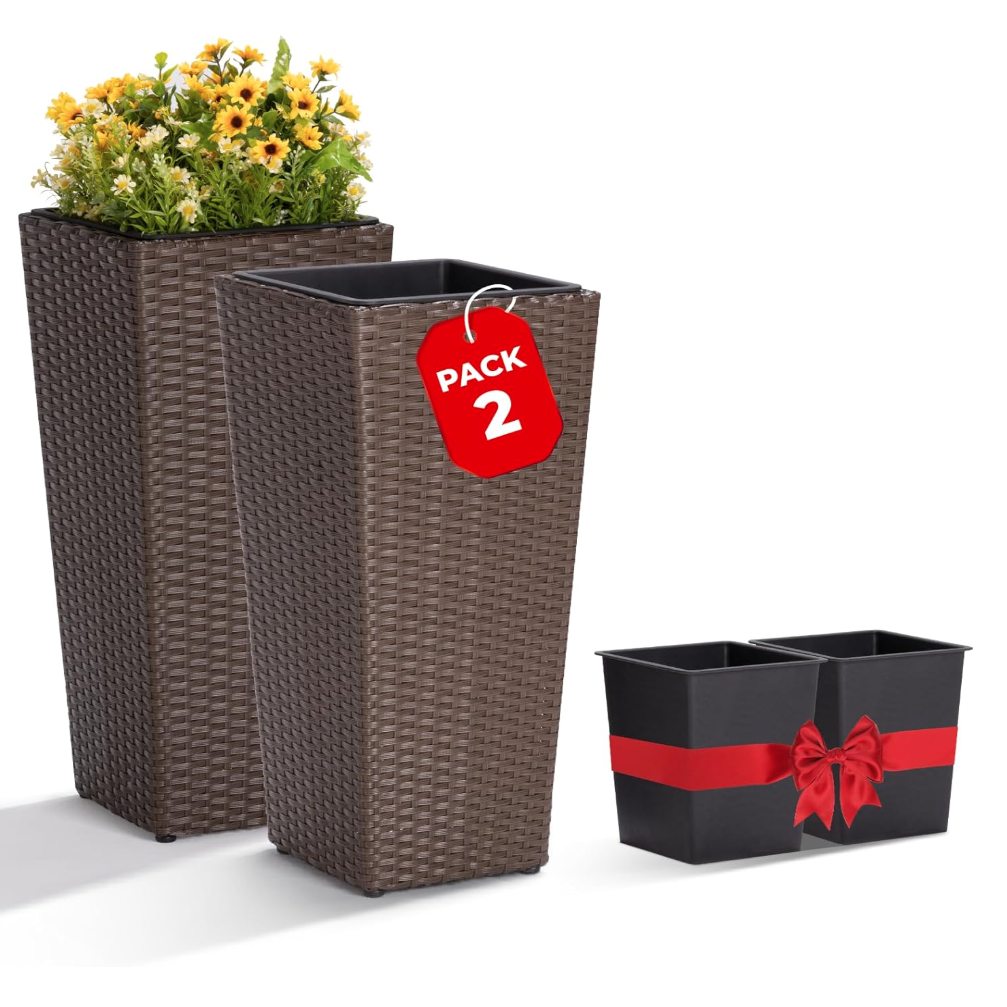
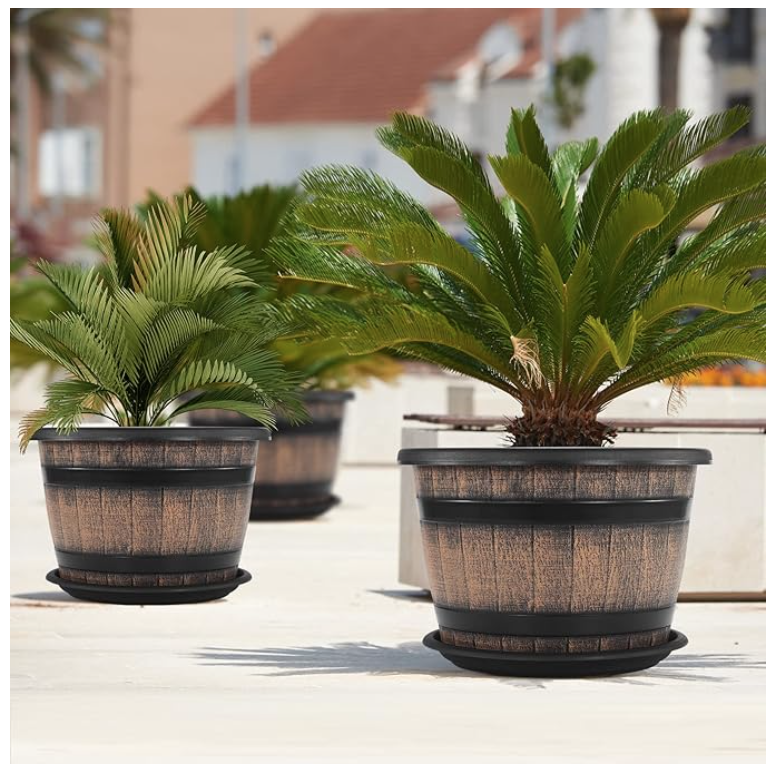
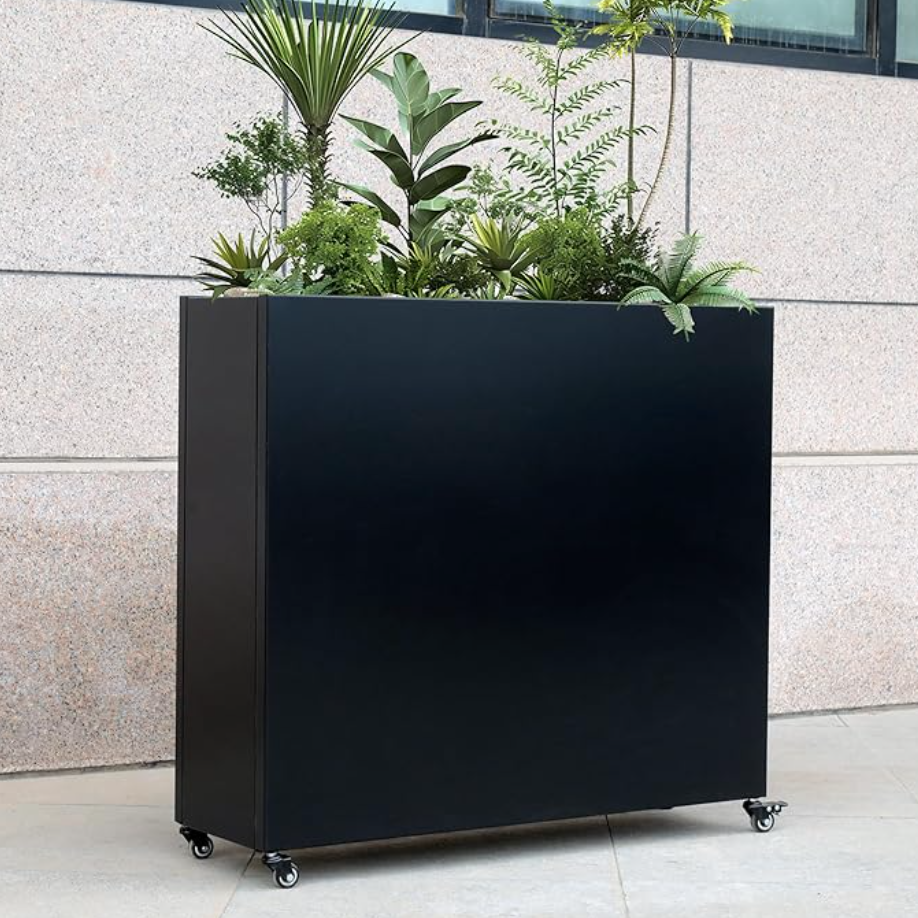
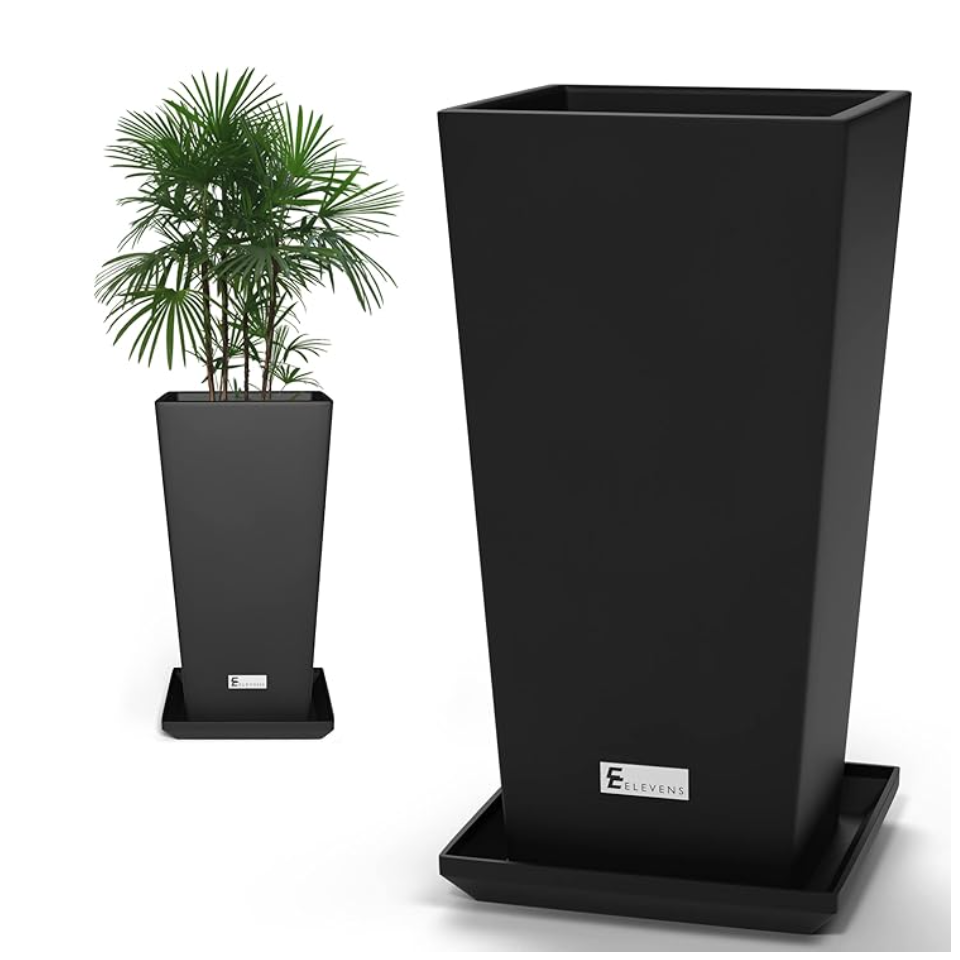
Outdoors: 10-12" wide, 12" deep, 3-5 gallons

Soil

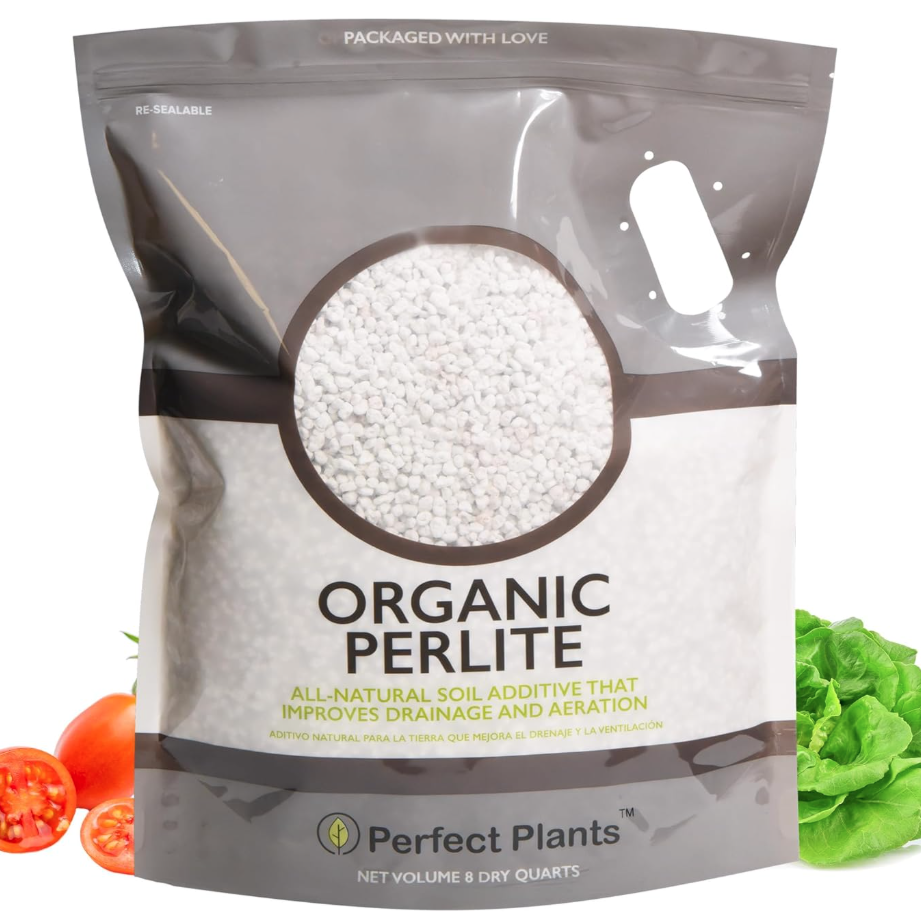
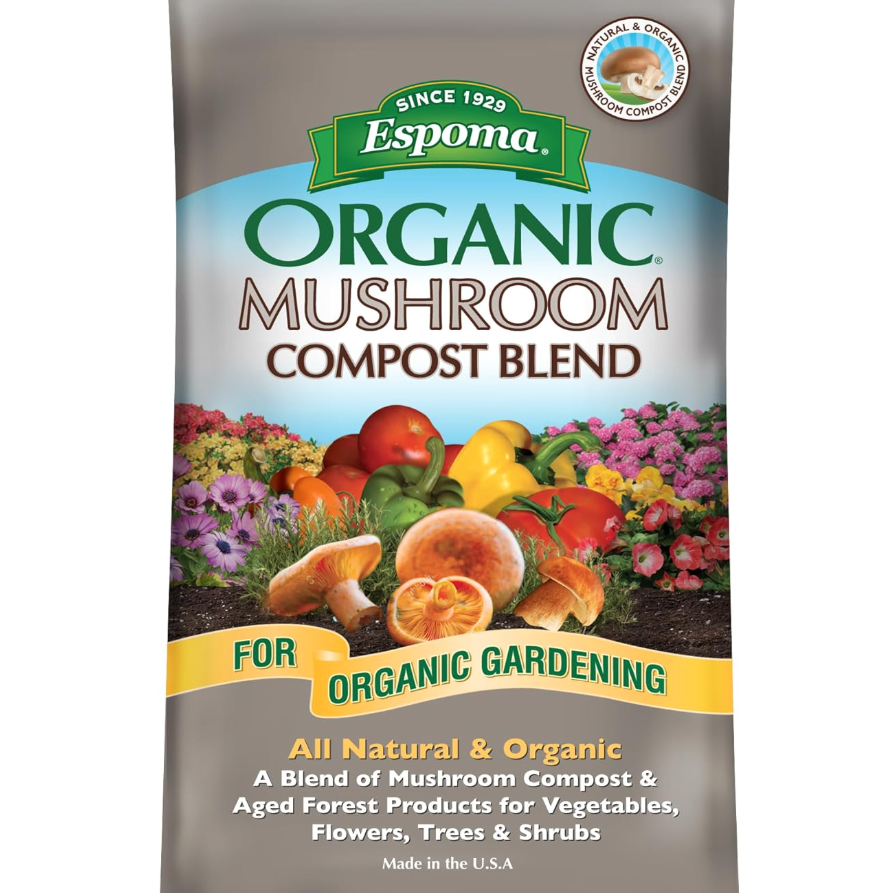
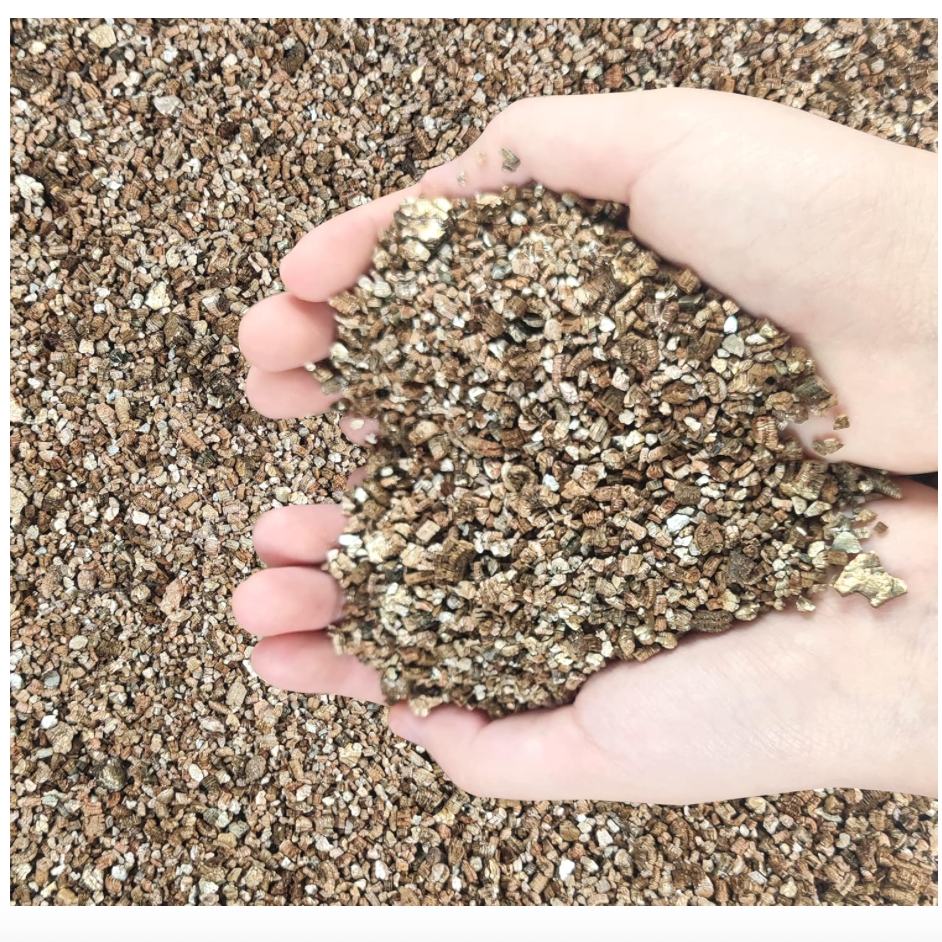
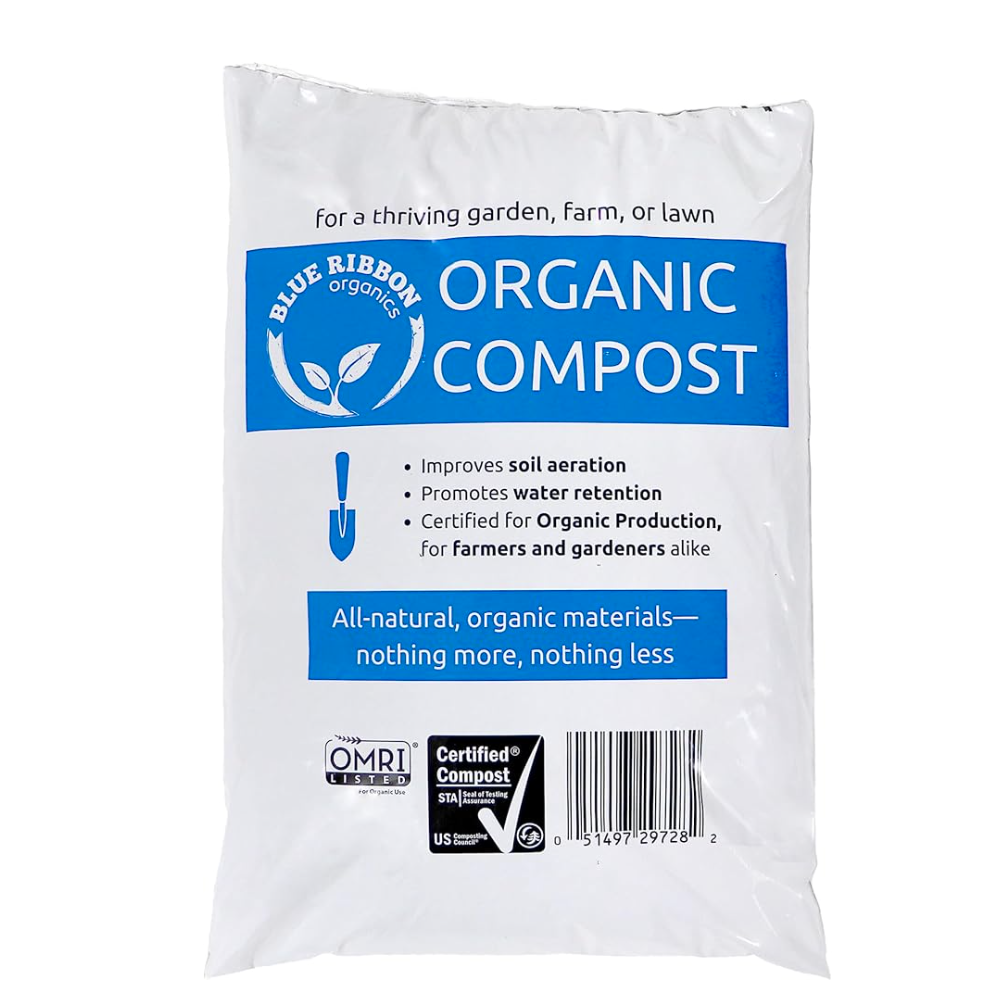
Ground cherries love well-draining potting mix with organic matter, such as compost from vegetable peelings or garden compost.

Fertilizer

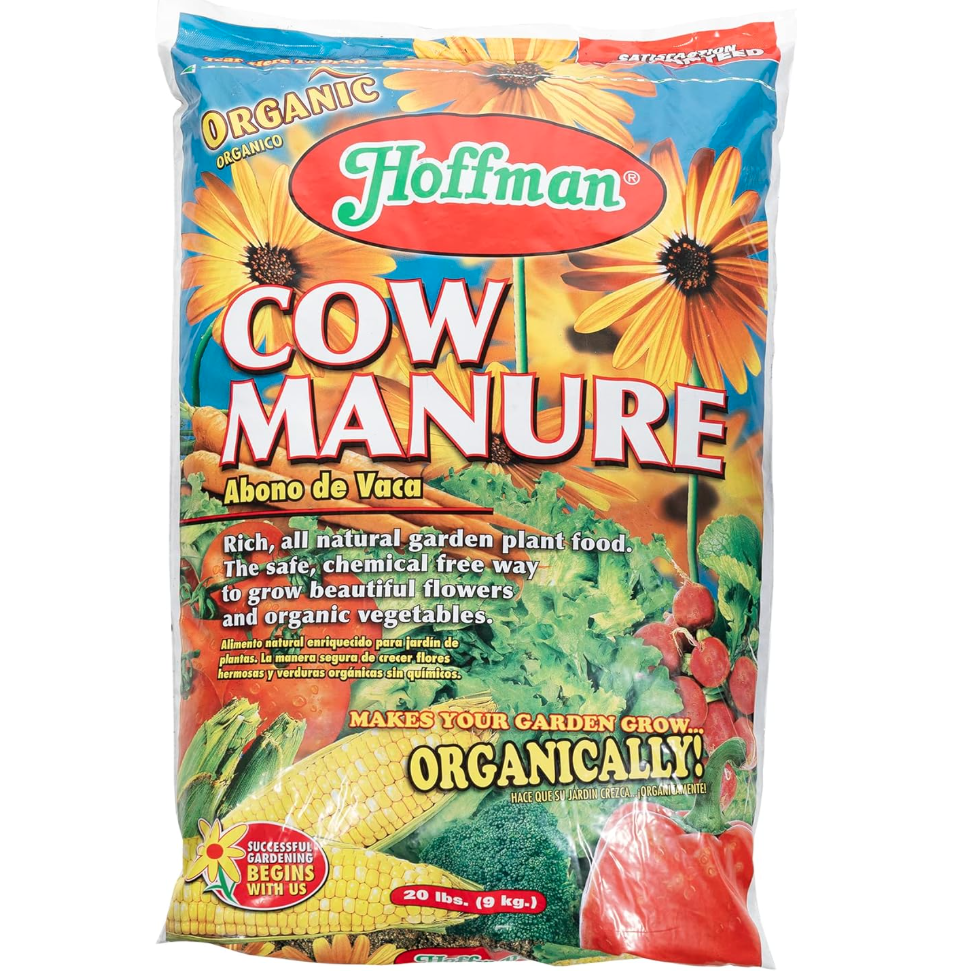
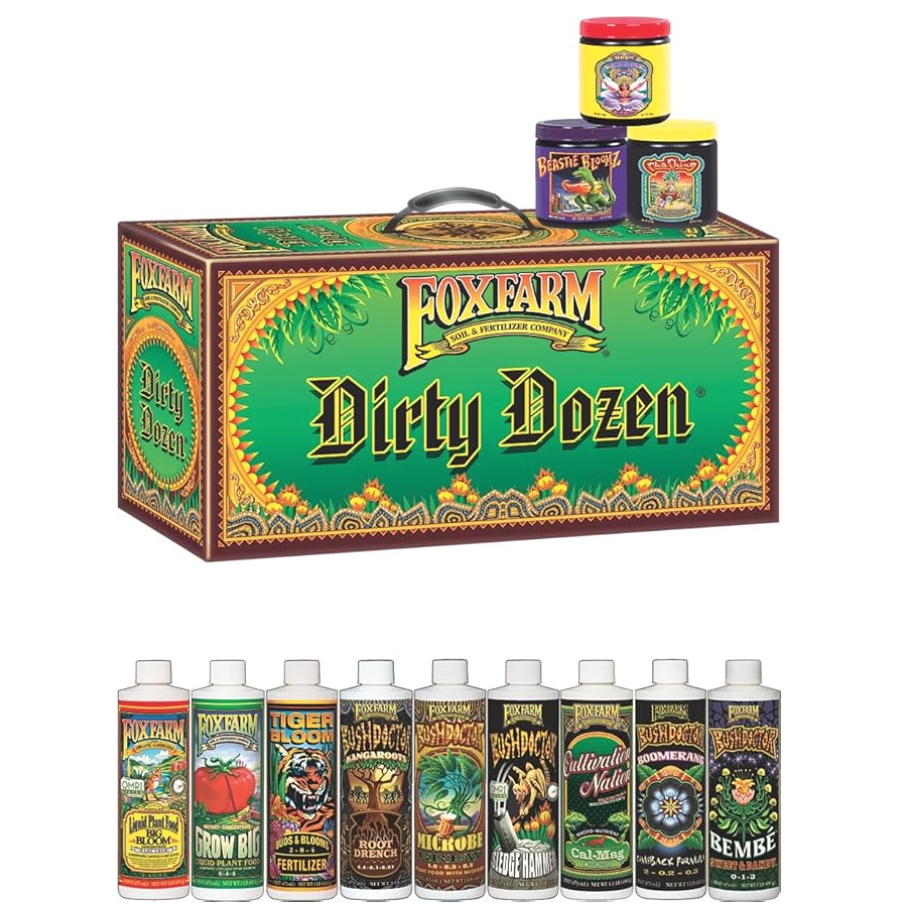
Use balanced fertilizer 10-10-10 every 2-3 weeks. Organic options: compost, fish emulsion, bone meal. Consistent feeding supports fruit production.

Harvesting Tips

Minimal trimming is needed, but removing dead or diseased leaves maintains plant health. This ensures a steady supply of ground cherries.

Harvest Time

Long: 13-15 Weeks

Hands holding a harvest of ground cherries in their papery husks
Dried ground cherry husks scattered on concrete in an urban garden setting

Common Growing Issues

Why is my plant wilting?

Why It's Happening:

Ground cherries have many leaves that lose water fast. The heat from NYC buildings and concrete can bake the soil in a small pot quickly.

How to Fix It:

Water your plant deeply in the morning. If it is a very hot day, move the pot to a spot with a little shade. Adding compost helps the soil hold onto water.

What are these tiny bugs on the leaves?

Why It's Happening:

Aphids love the soft leaves of ground cherries. They are very common in NYC because the city stays warm late into the evening.

How to Fix It:

You can buy ladybugs to release on your plants to eat the aphids. You can also wash the bugs off with a strong spray of water in your sink.

Why are the leaves turning yellow?

Why It's Happening:

This usually means the soil is too wet. NYC humidity makes it hard for water to dry out of pots, which can drown the roots.

How to Fix It:

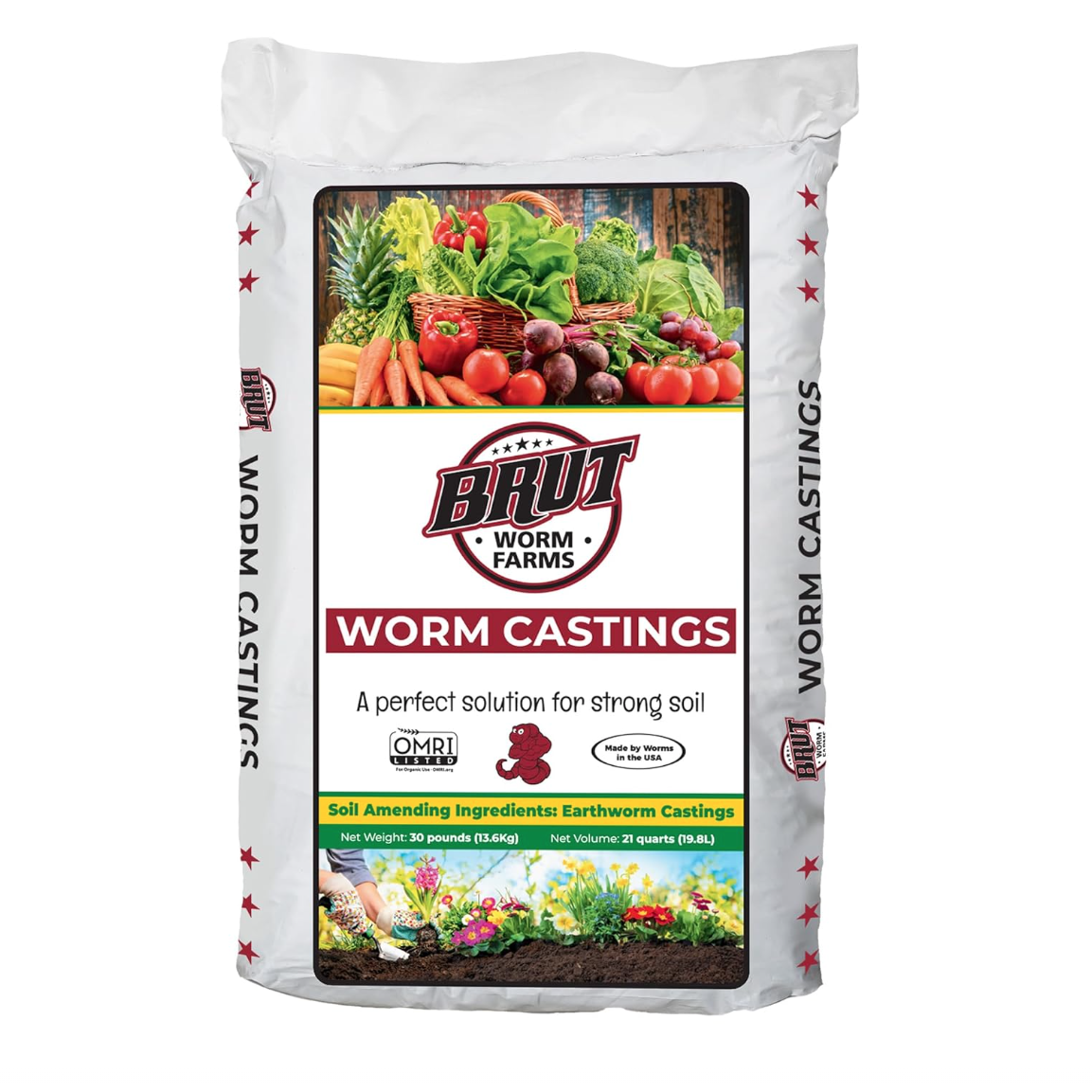
Make sure your pot has holes in the bottom. Only water when the top of the soil feels dry. Adding worm castings helps the soil stay healthy and drain well.

Why is my plant growing so slowly?

Why It's Happening:

Ground cherries need at least 6 to 8 hours of sun. Tall buildings often block the light, which stops the plant from making its husked fruit.

How to Fix It:

Move your plant to the sunniest spot on your balcony or roof. Use a 5-10-10 plant food to help the plant focus on growing berries.

Why is there white powder on the leaves?

Why It's Happening:

This is Powdery Mildew. Because ground cherries grow low and bushy, the sticky city air does not move well through the leaves.

How to Fix It:

Trim some of the inner leaves to let air move through the plant. Pour water on the soil, not the leaves. Use beneficial nematodes to keep the root system strong.

Grows Together With (Companion Planting)

Health & Nutrition Spotlight

Ground cherries are packed with beta-carotene (Vitamin A) for healthy skin and vision, and high in pectin, which helps regulate blood sugar.

Curated Gear For Growing

Still have questions?

I'm here to help!