


An Urban Guide to Growing Basil: Easy, Productive, and Perfect for Containers

Hand holding freshly harvested basil from a New York City urban garden

Where it Fits in NYC

List all icons of attributes directly under header image above like: container sizes, indoor/outdoor, hydroponic, spaces, click here to get seeds, difficulty, pollinator, cool/warm weather, perennial/annual, best month to plant, best month to harvest, etc.

Why I Grow It

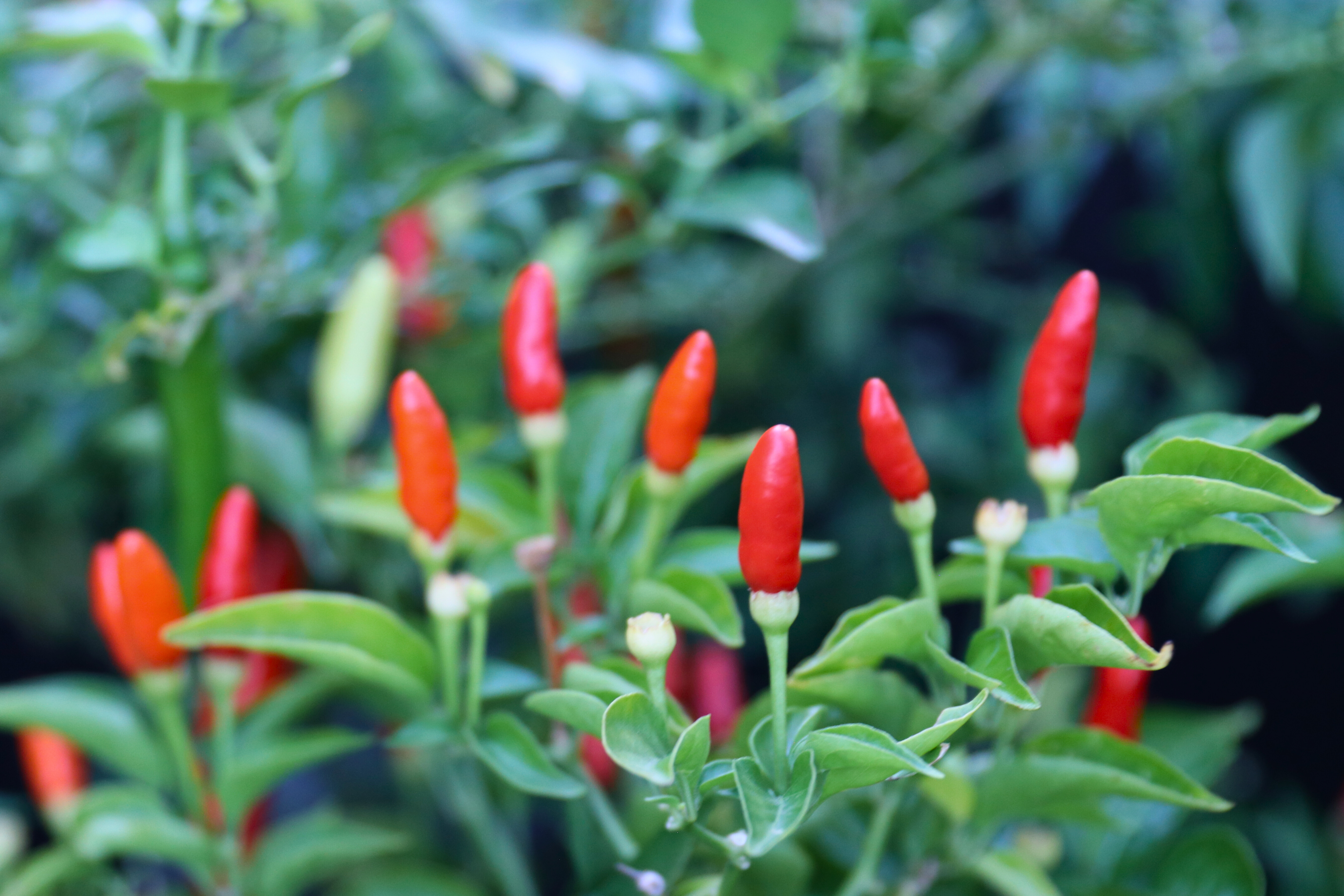
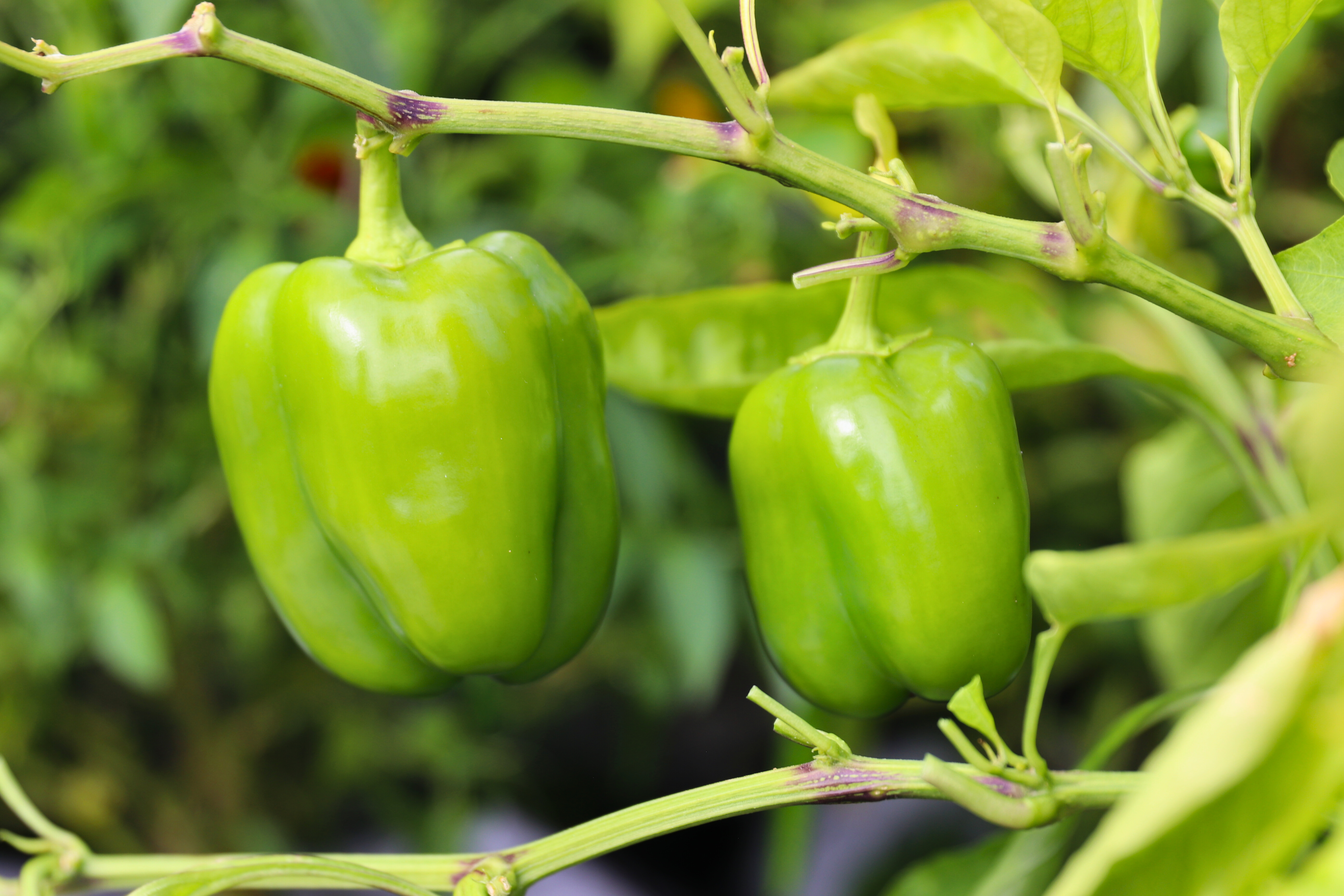
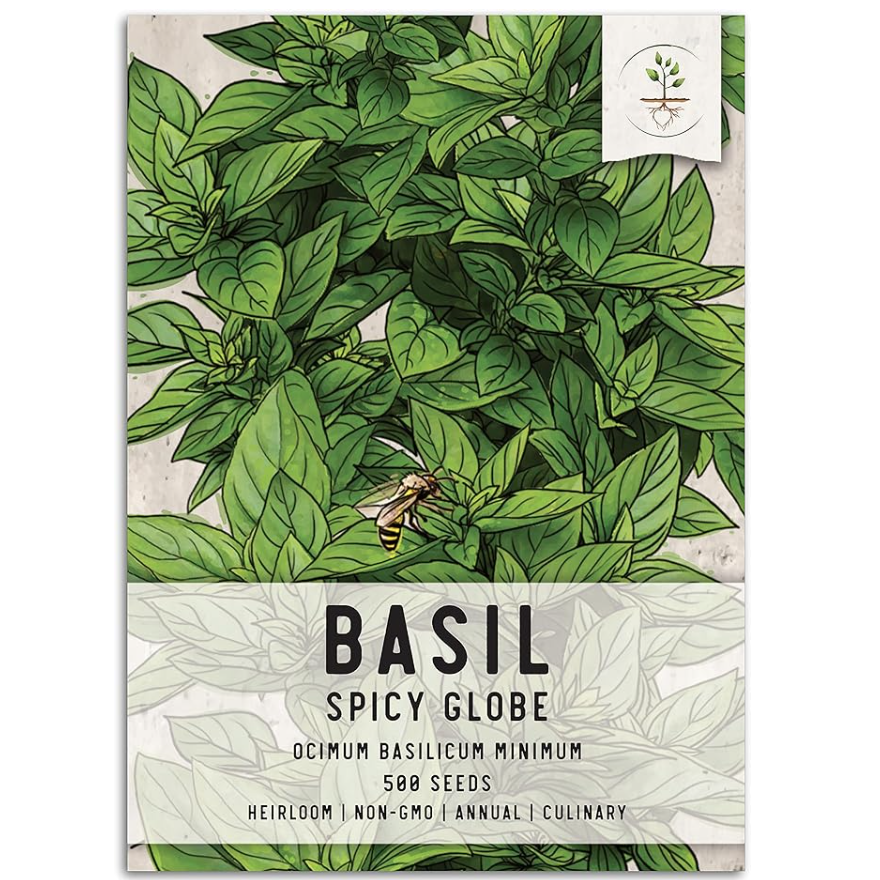
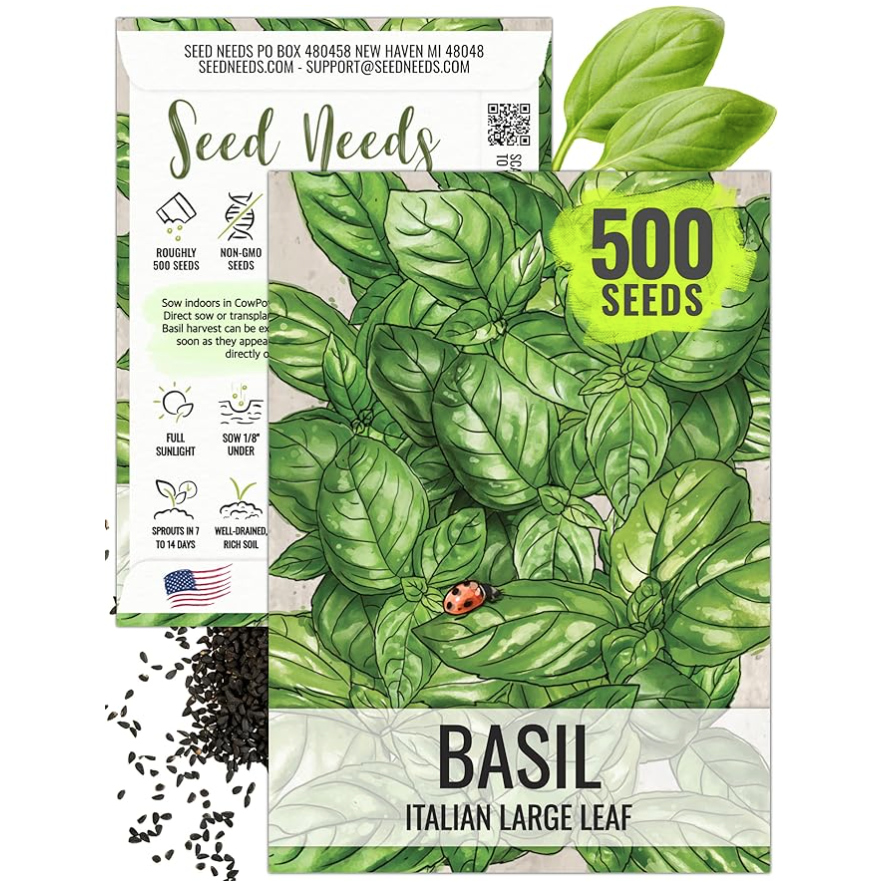
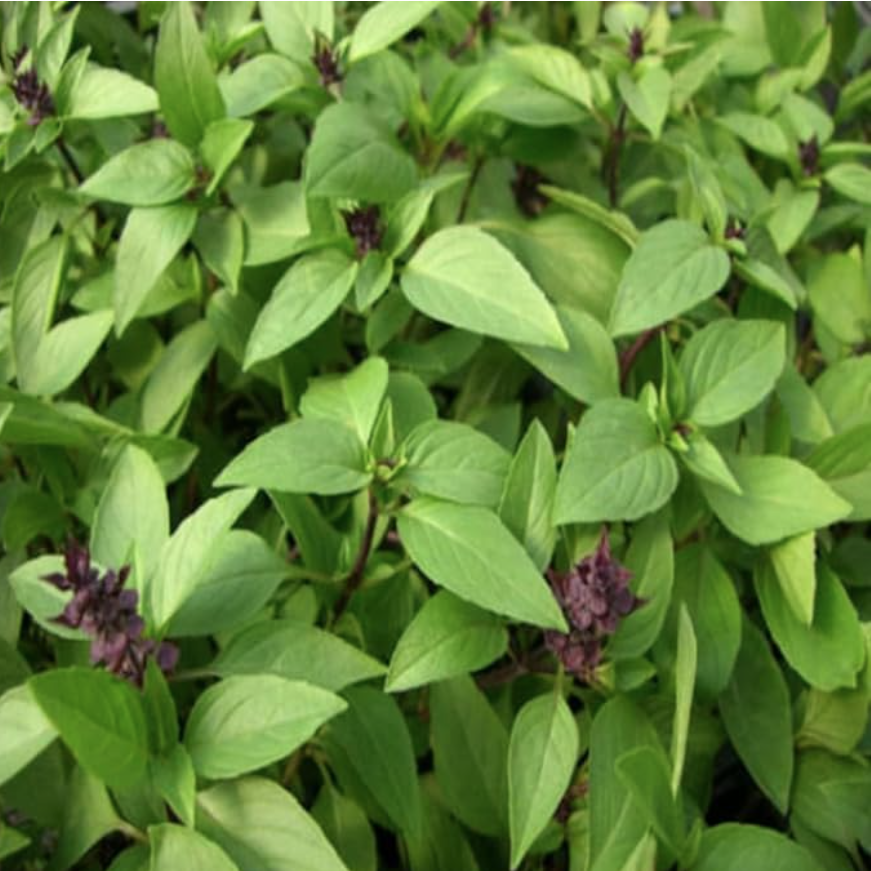
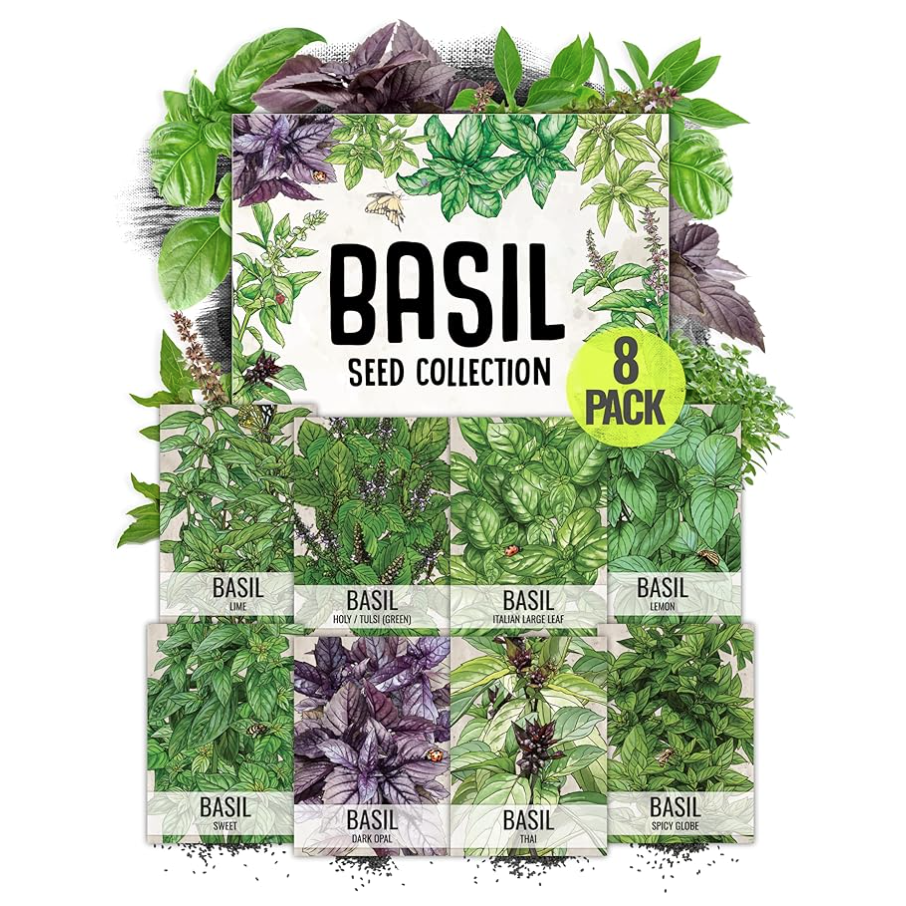
I grow my own basil because the store-bought stuff wilts too fast. Homegrown leaves have a much deeper flavor and help me cut down on plastic waste from grocery store packaging. Basil is also a fantastic companion plant. I tuck it in next to my tomatoes, peppers, and eggplants, as these crops all grow better when they are neighbors. Growing at home also lets me explore varieties you never see at the bodega, like Dark Opal or Cinnamon basil. It adds a whole new level of flavor to the kitchen that you just can't buy.

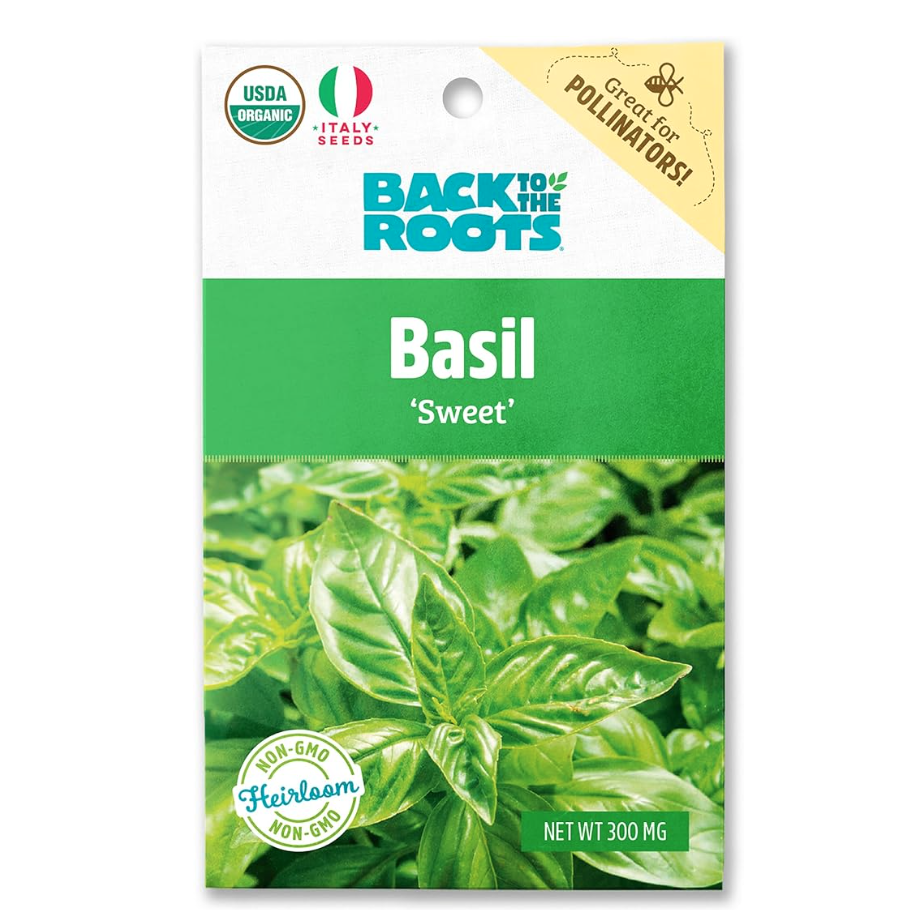
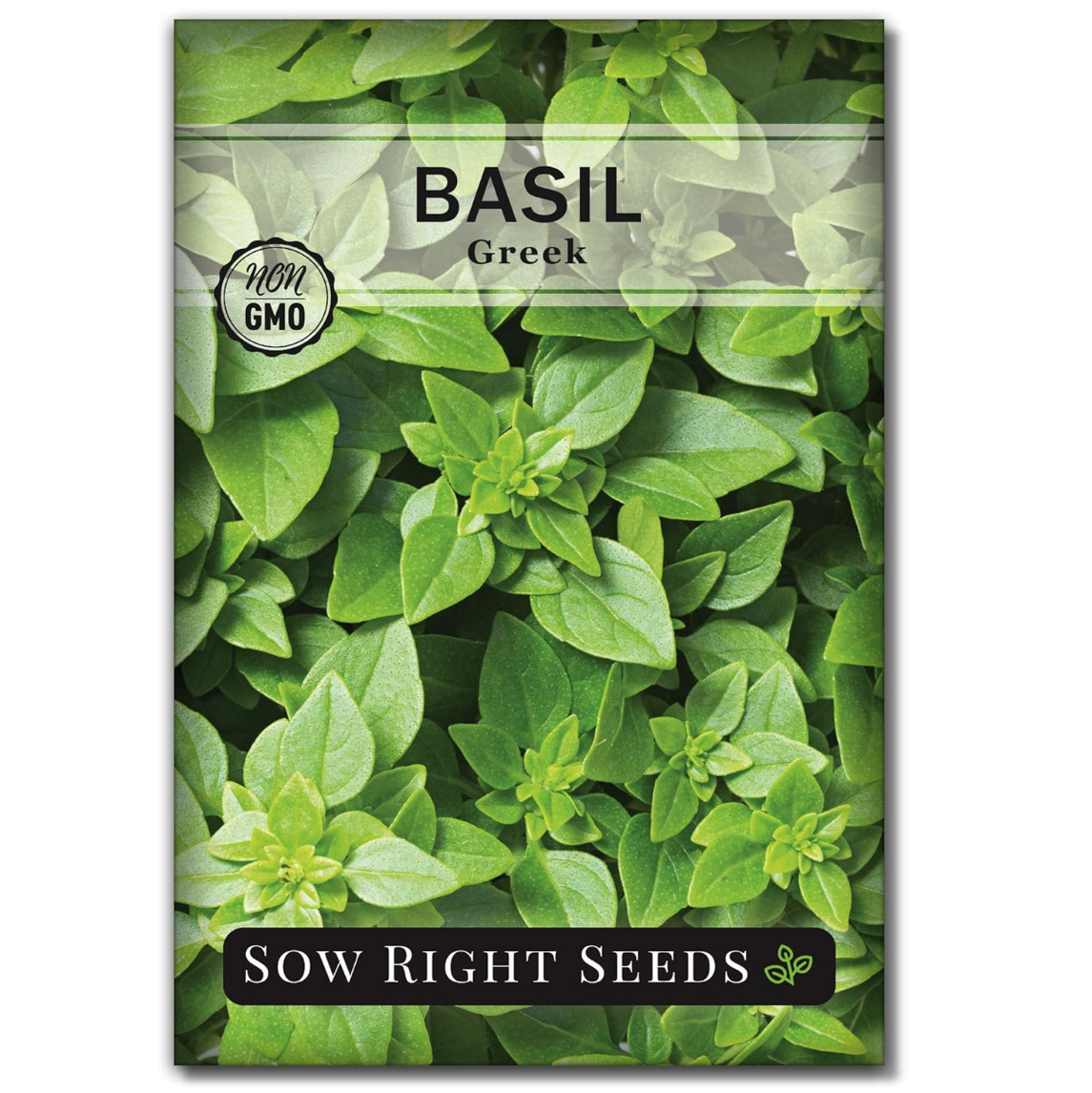
get your seeds now

Growth Essentials

Light

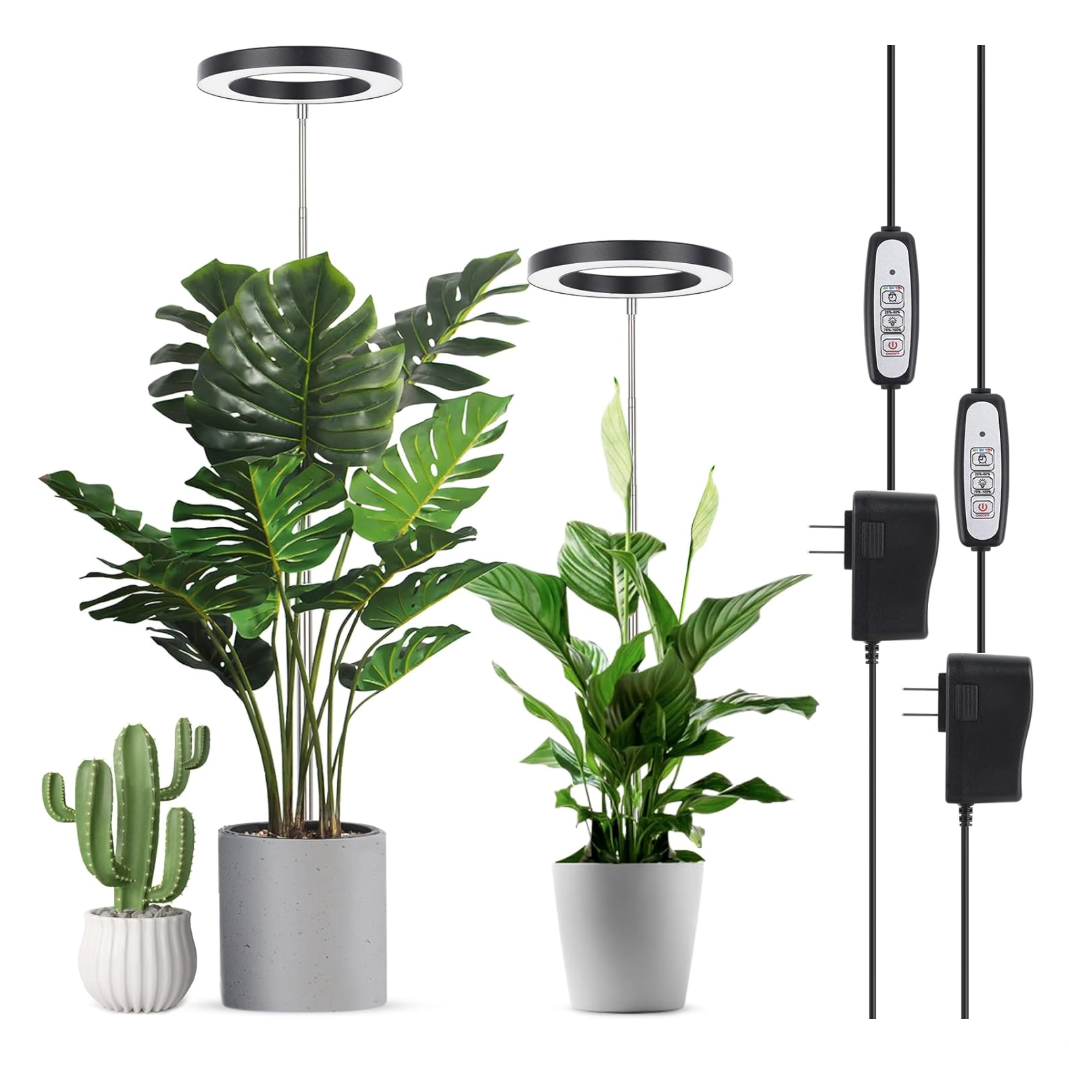
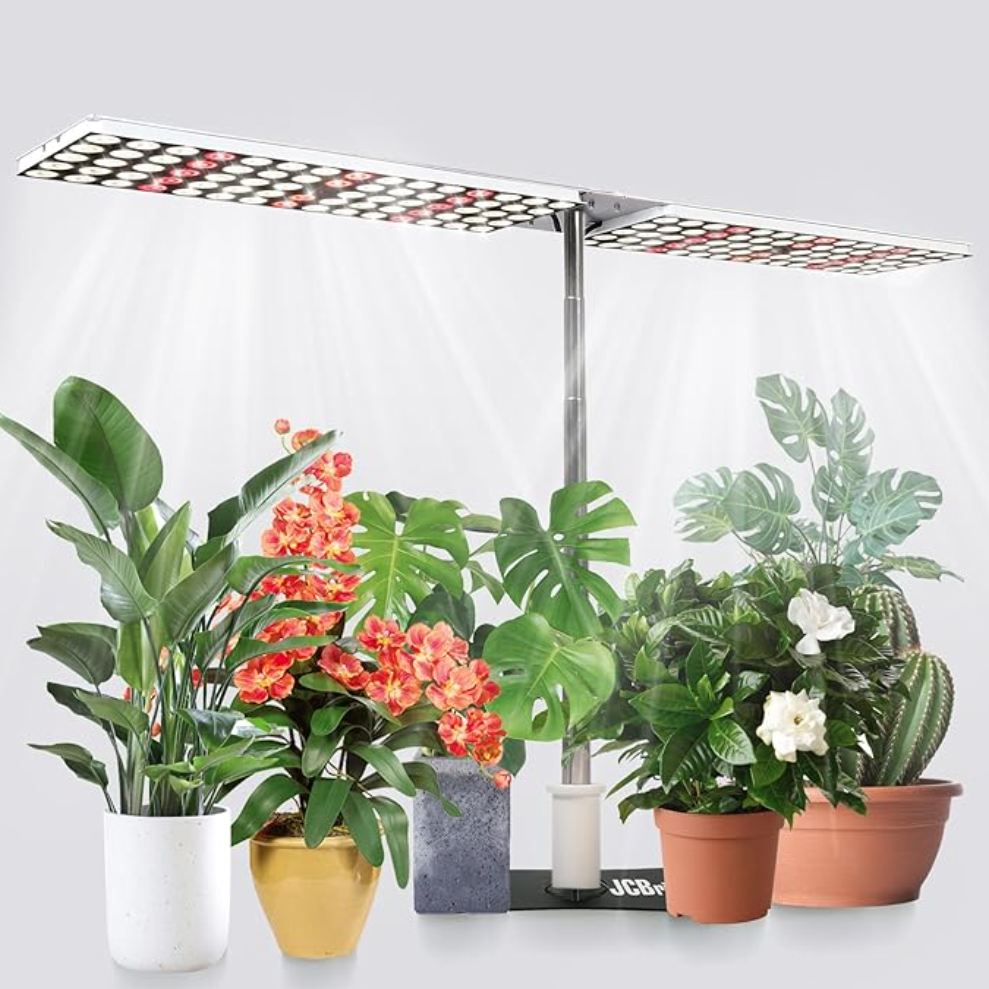
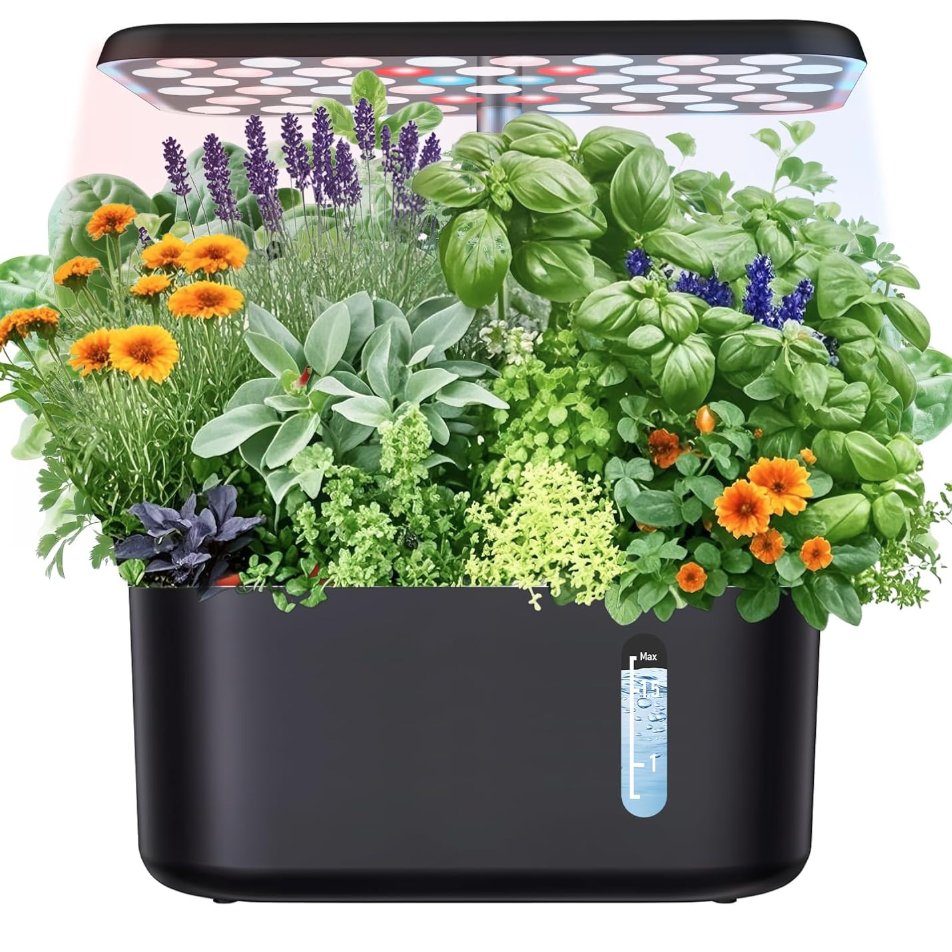
Indoors: Place the plant in a south-facing window or supplement with a grow light.

Outdoors: Basil requires 6-8 hours of direct sunlight daily for optimal growth.

Water

Indoors: Water when the top inch of soil is dry. Keep the soil consistently moist, especially indoors when air is dry.

Outdoors: Water regularly, and mulch helps retain moisture.

Temperature

Basil is a warm weather crop and thrives in 50-90°F, ideally 80-90°F. Plant outside when soil is above 50°F and after the threat of frost has passed. Indoors, maintain 60-70°F year-round.

Containers

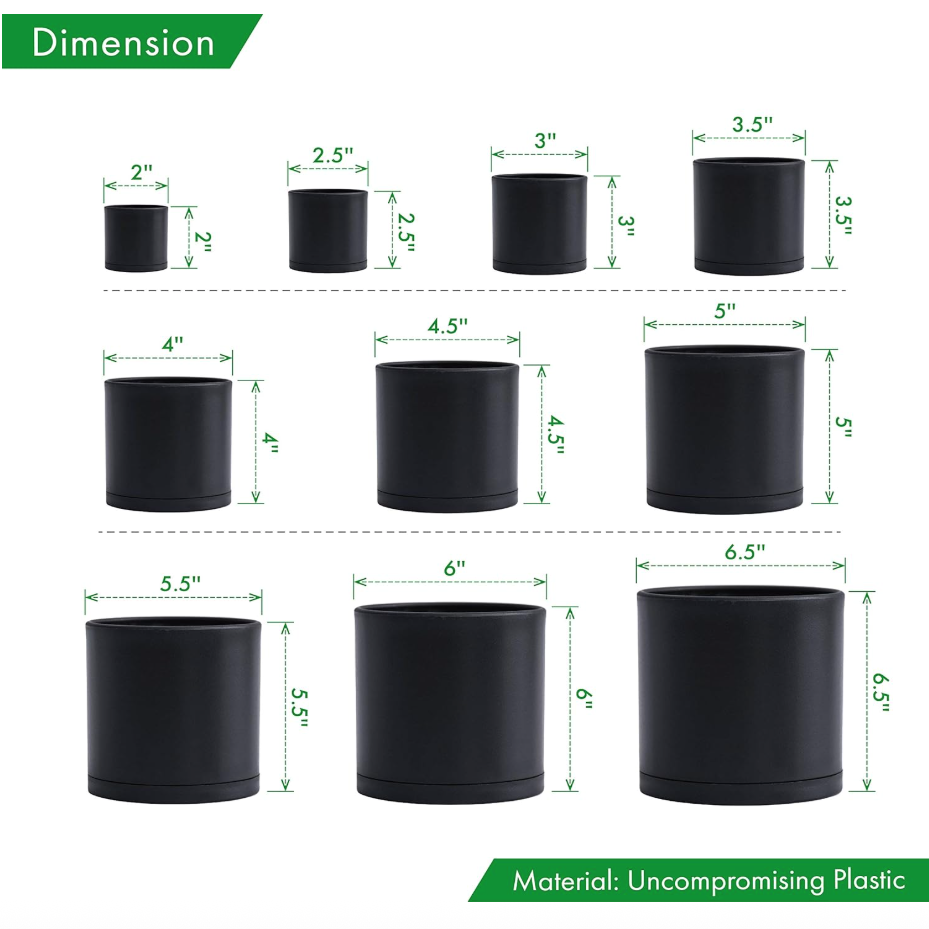
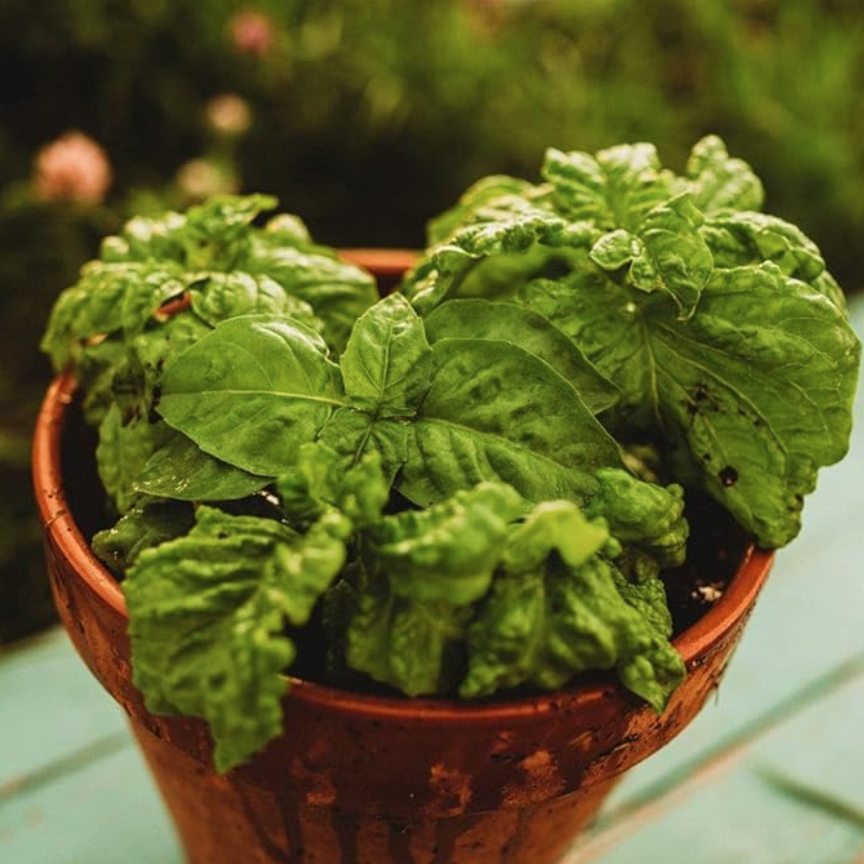
Indoors: 6-8" wide, 6" deep, 1 gallon

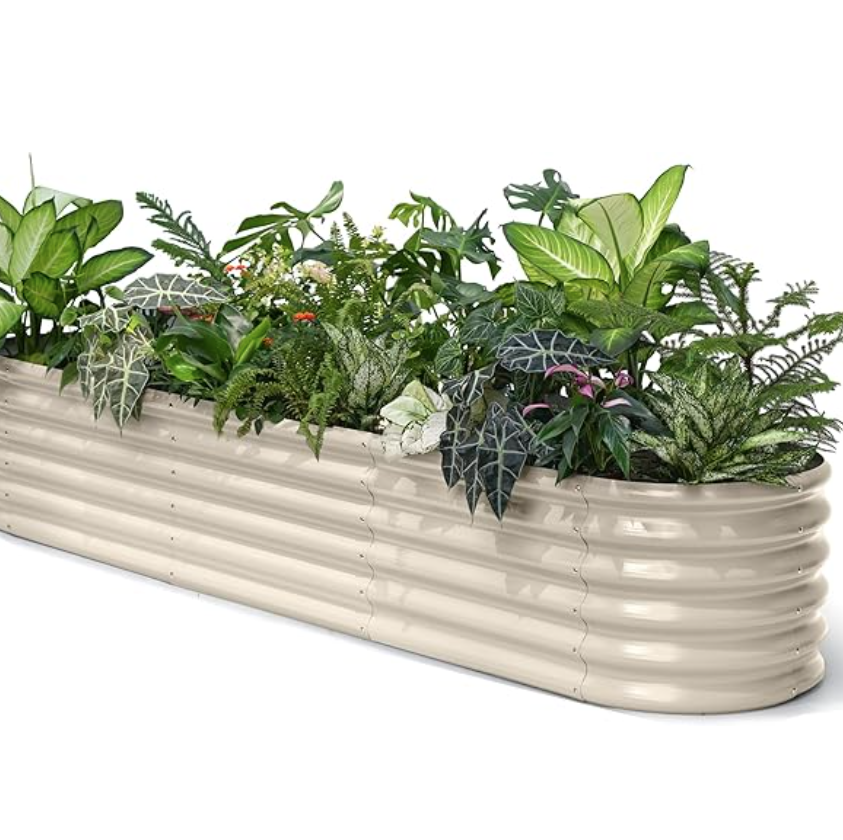
Outdoors: 10-12" wide, 12" deep, 3-5 gallons

Soil

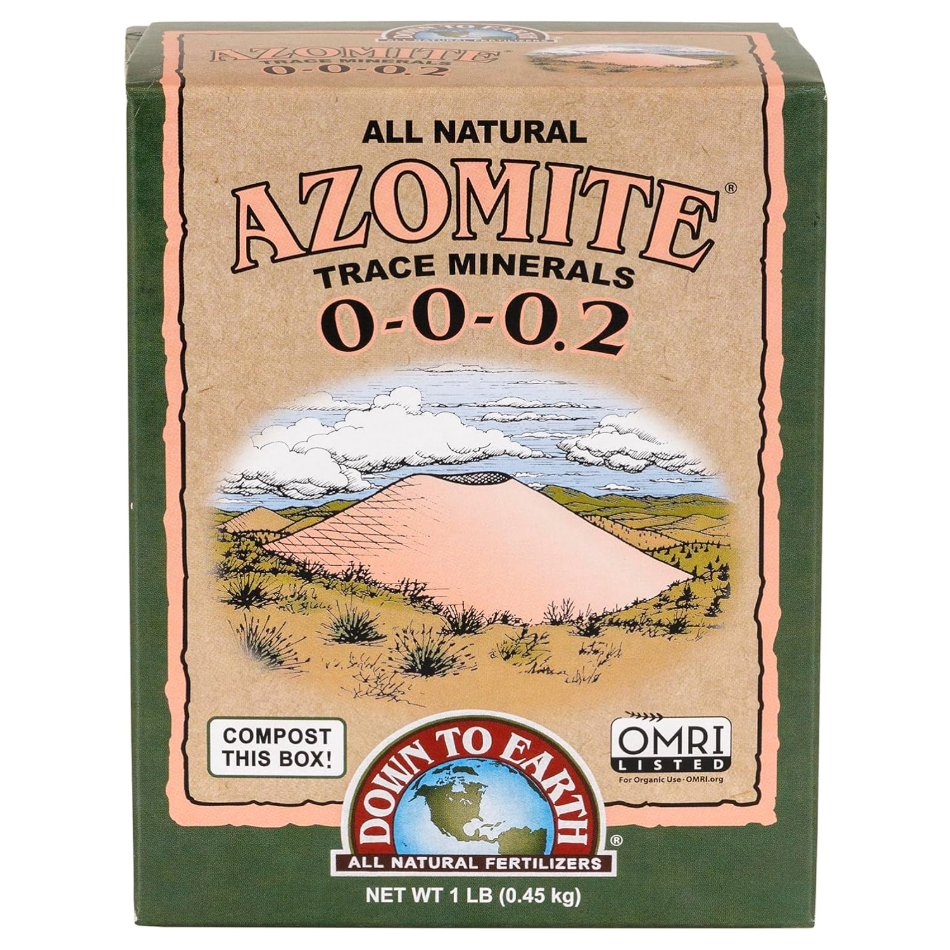
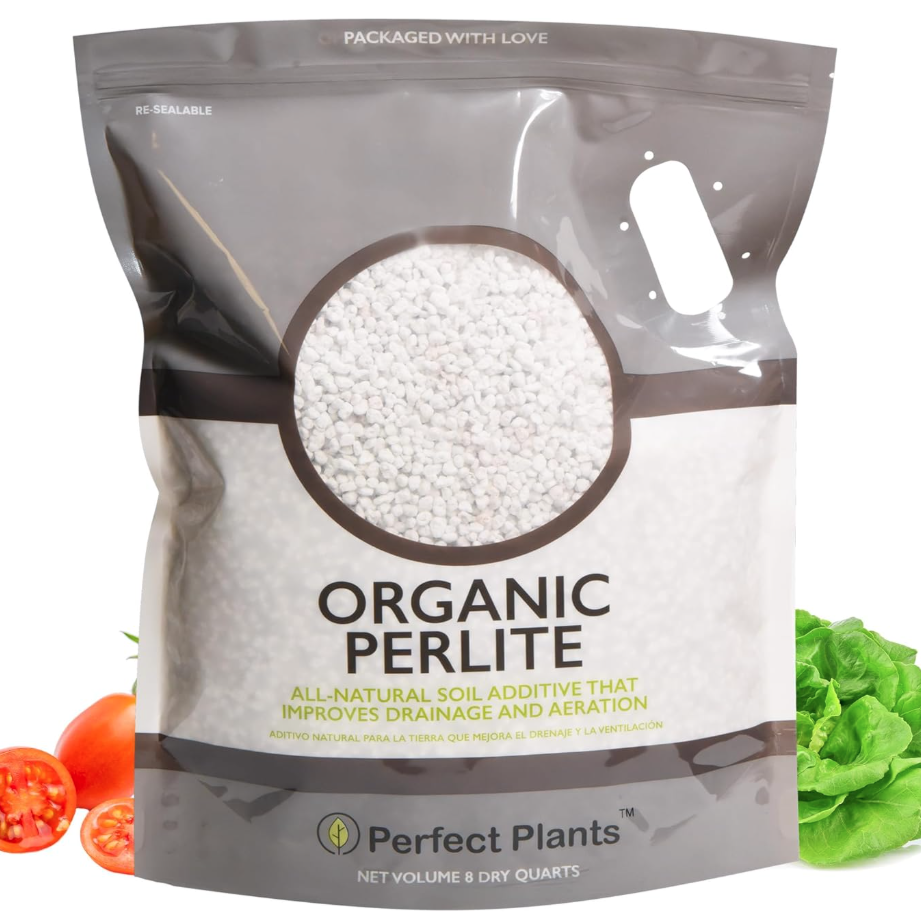
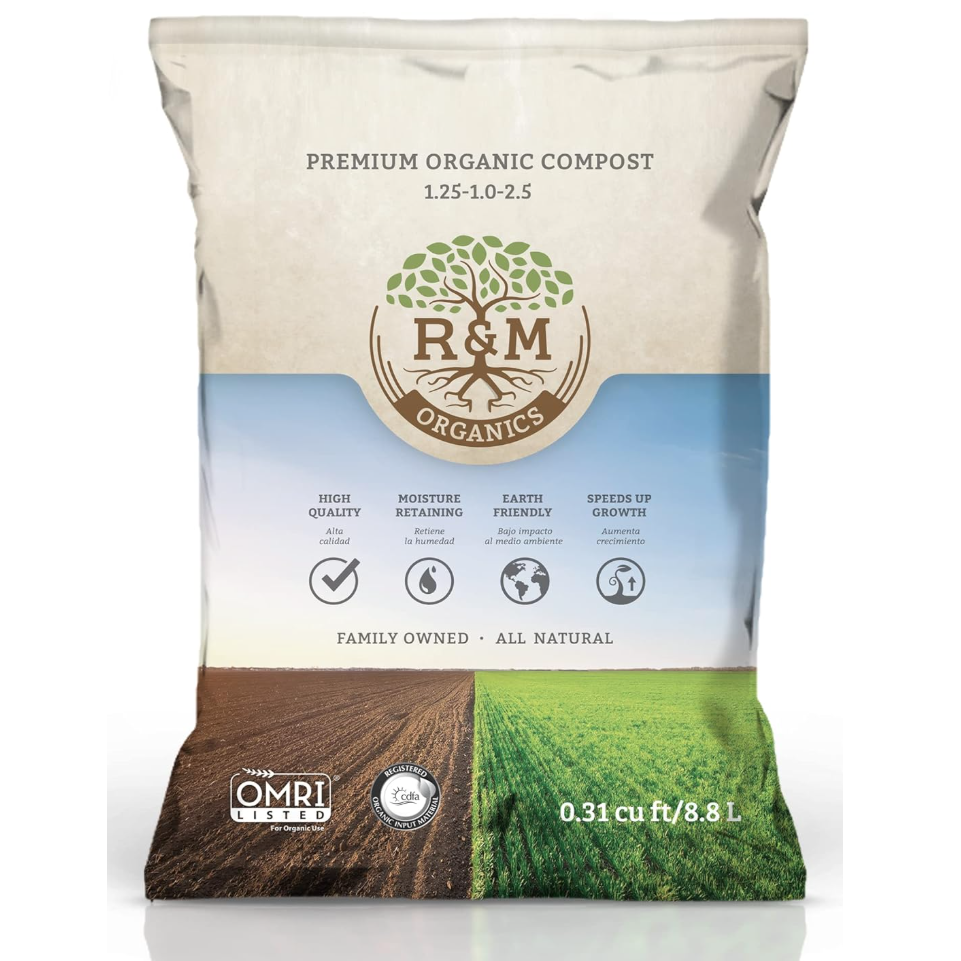
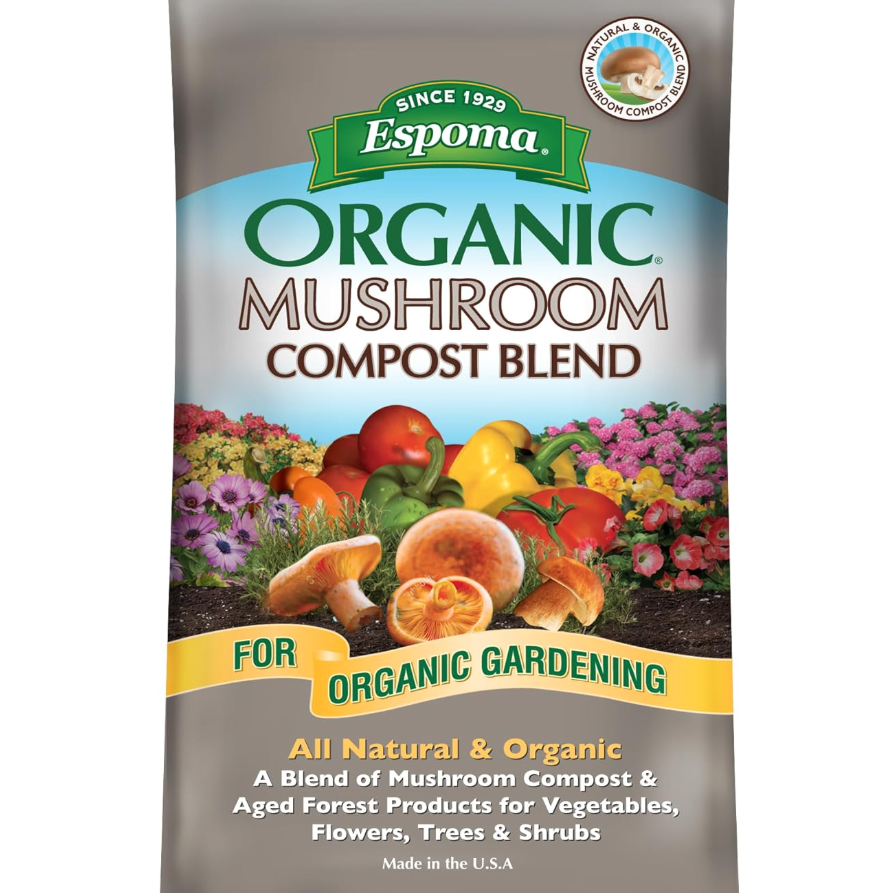
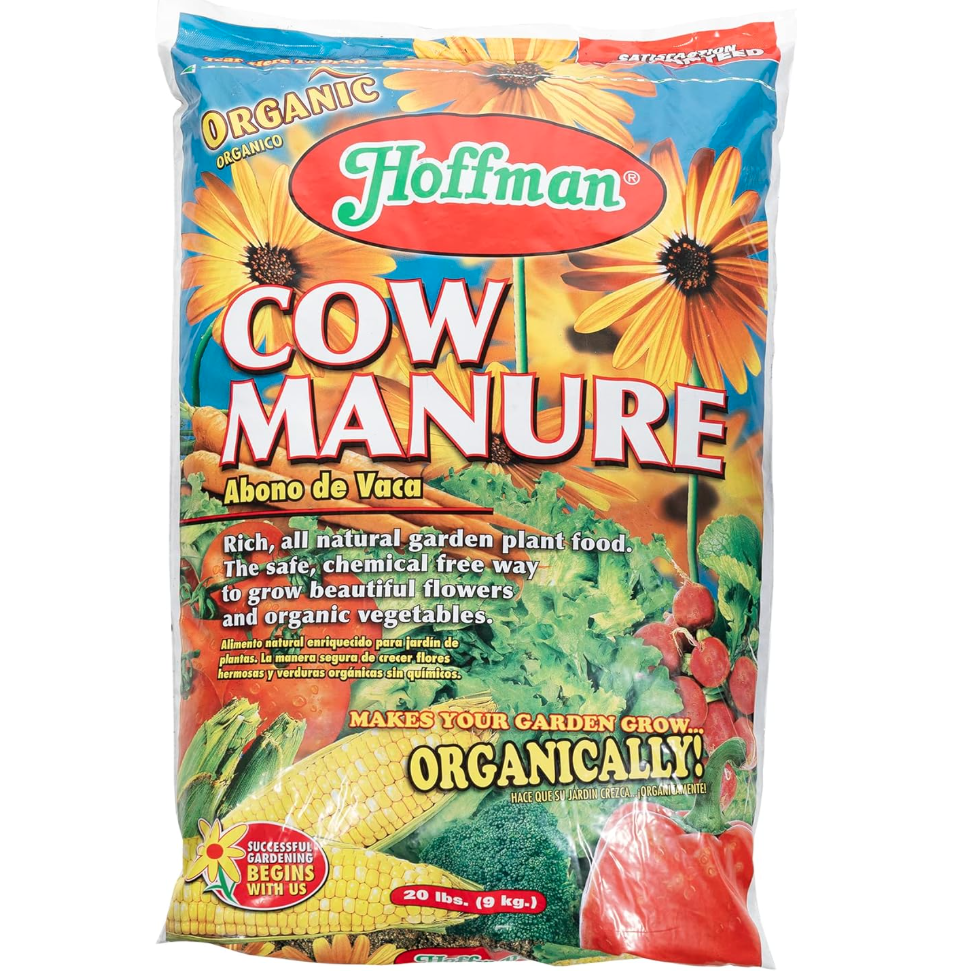
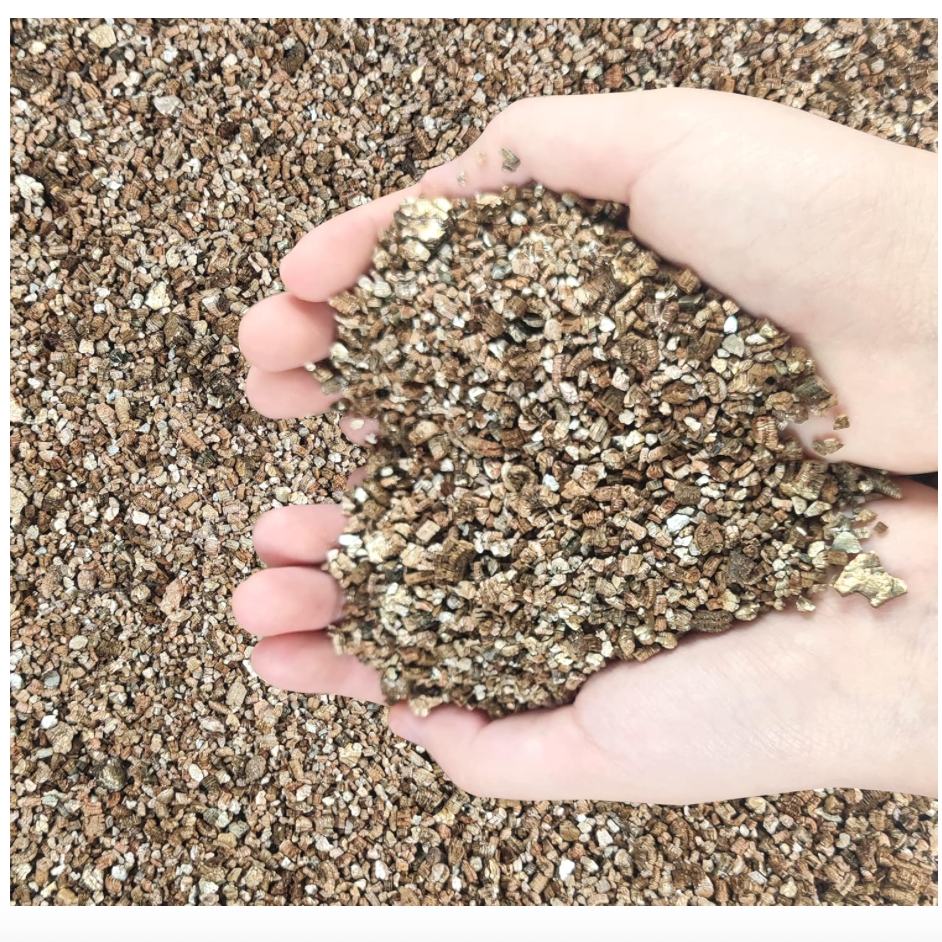
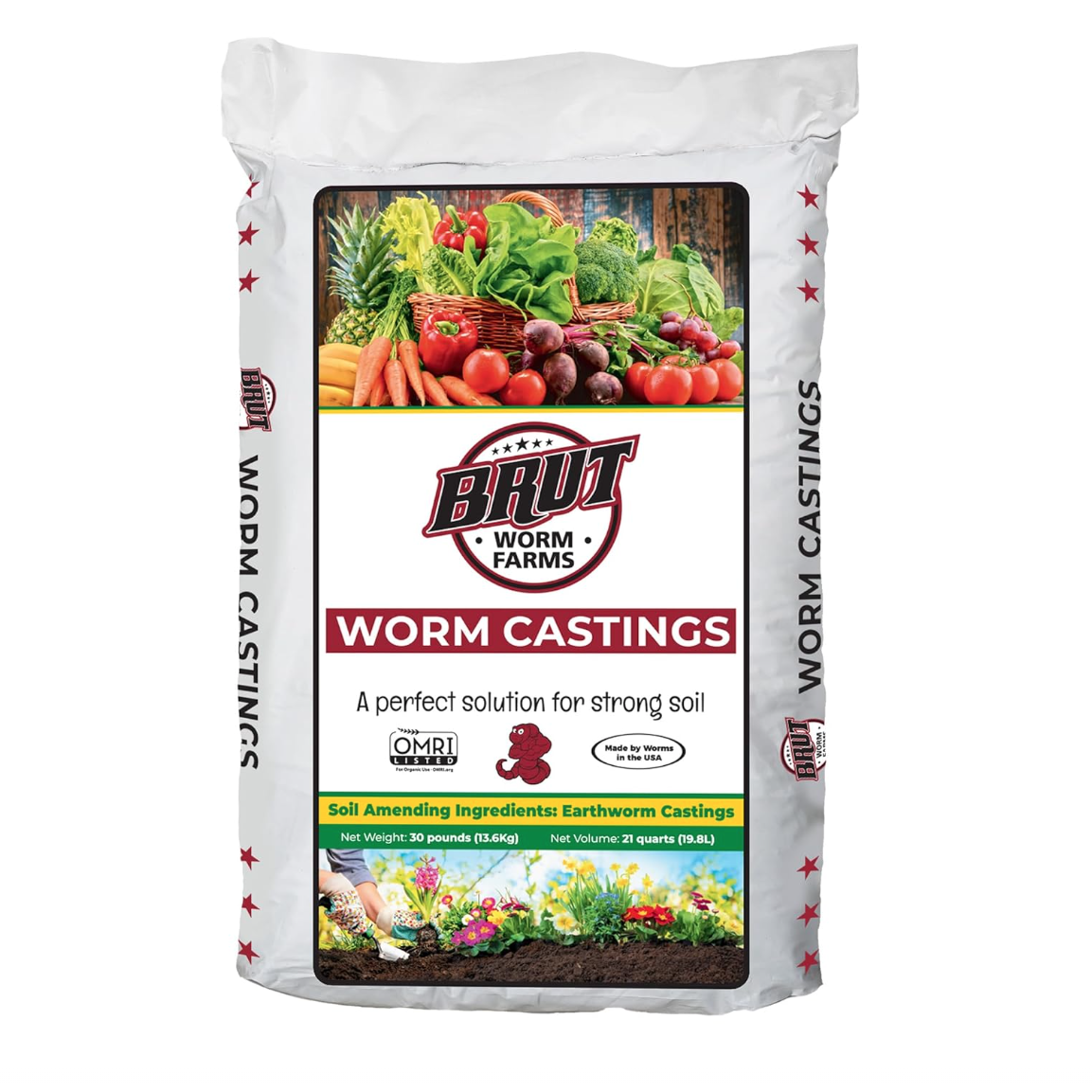
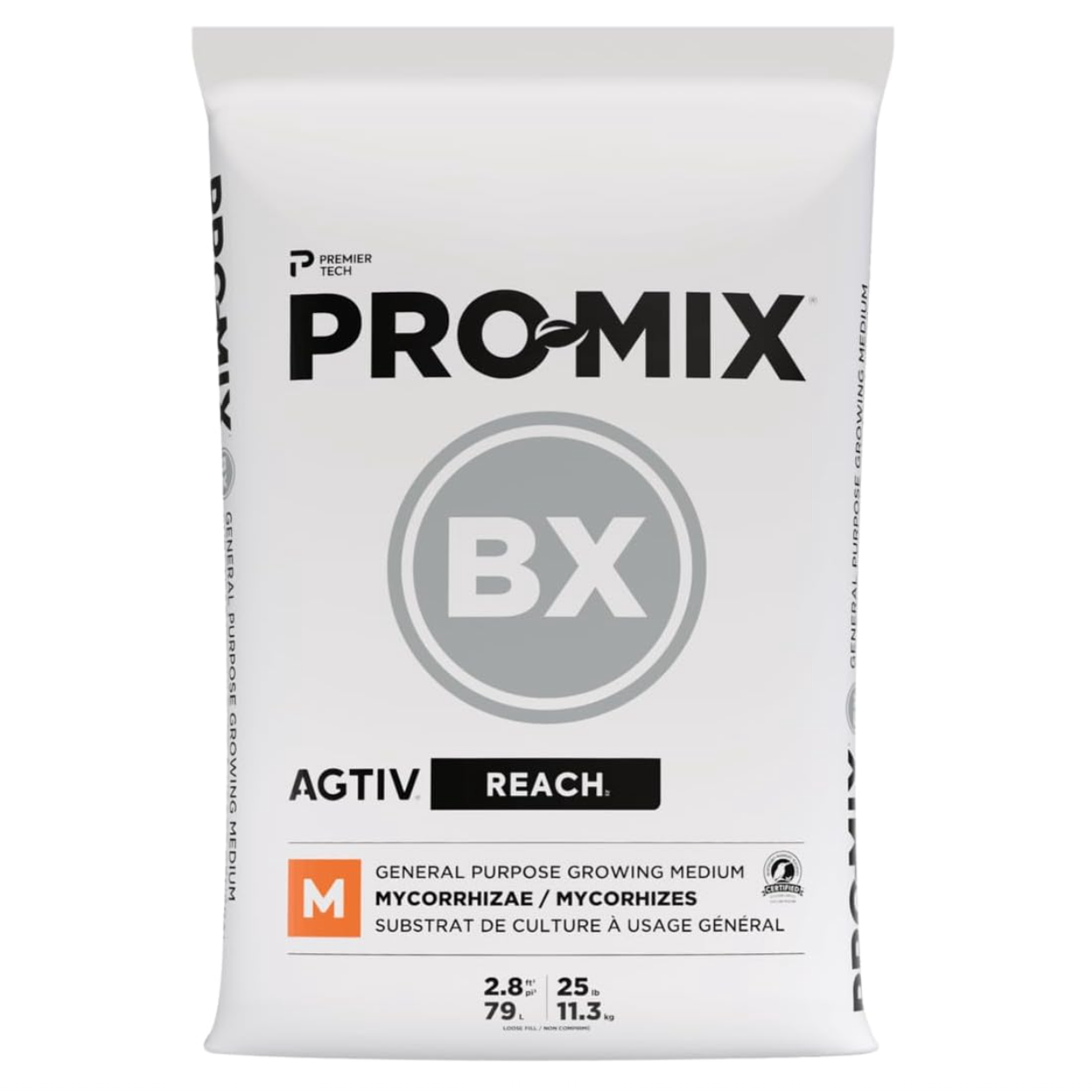
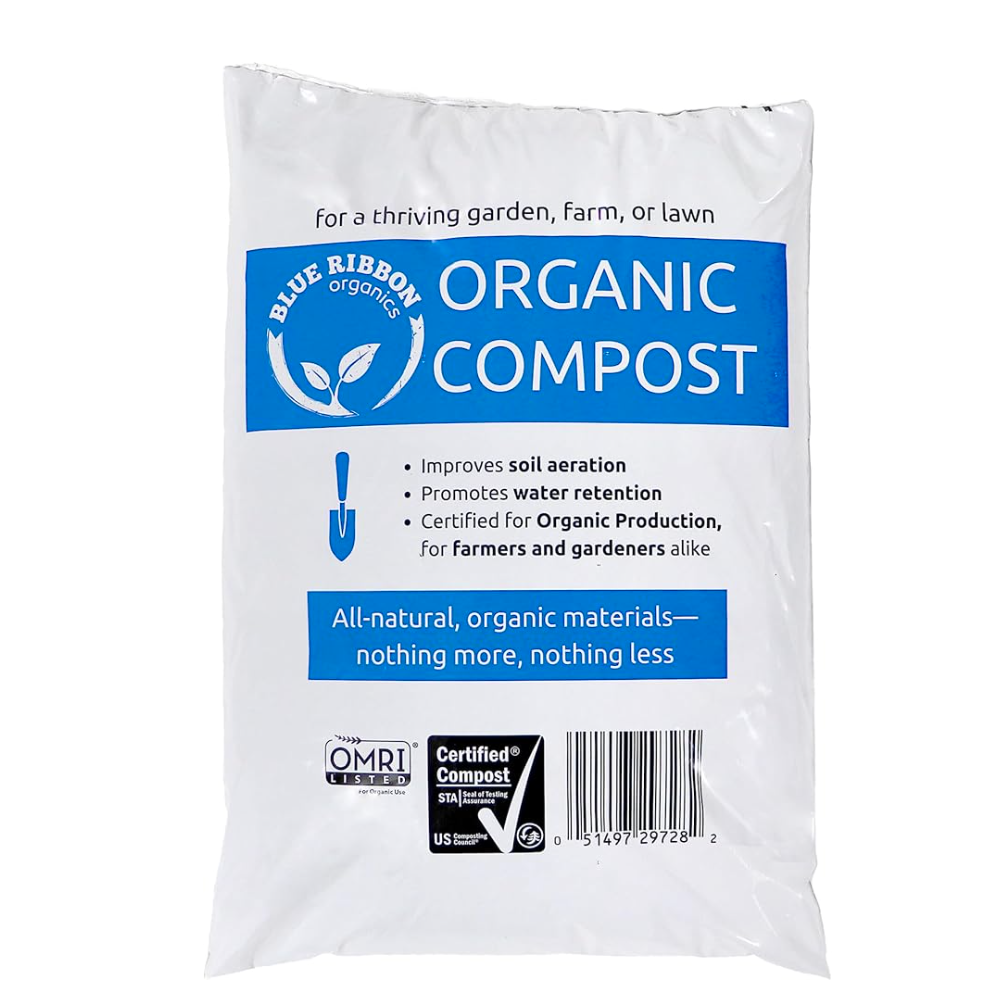
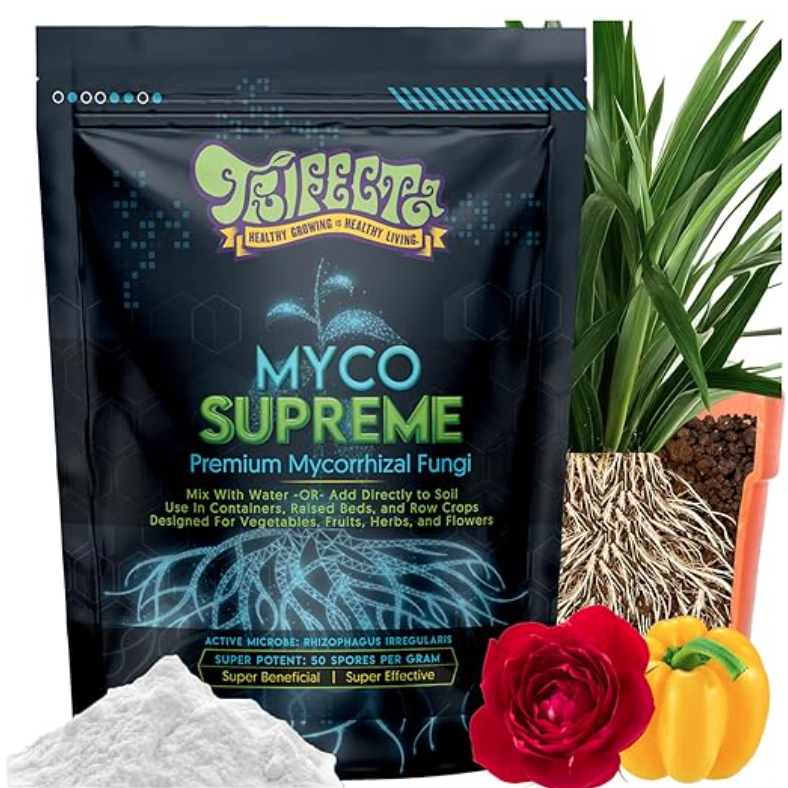
Basil thrives in a potting mix with plenty of compost, top it with worm castings for extra beneficial microbes. Ensure your pot has drainage holes to keep the roots happy.

Fertilizer

Use balanced fertilizer 10-10-10 every 4-6 weeks. Organic options: fish emulsion, compost tea. Avoid over-fertilizing to prevent overly tender growth.

Harvesting Tips

Pinch off basil tops regularly to make it bushier and remove flower buds to prevent seeding. Regular harvesting ensures continuous leaf growth.

Harvest Time

Moderate: 8-10 Weeks

Basil leaves gently held in two hands after harvesting in a New York City garden
Hand holding freshly harvested basil from a New York City urban garden

Common Growing Issues

Why are my leaves turning yellow?

Why It's Happening:

Tall buildings often block the sun. Also, plants in small pots run out of food quickly.

How to Fix It:

Move your plant to a spot that gets at least 6 hours of sun.

Give it liquid plant food (NPK: 10-10-10) every two weeks.

Why is my plant growing so slowly?

Why It's Happening:

NYC has a heat island effect. This means the concrete and bricks stay hot and can bake the roots in small pots.

How to Fix It:

Use a larger pot to keep the roots cool.

Keep the soil damp, but make sure it is not sitting in too much water.

Why is my basil wilting so fast?

Why It's Happening:

High winds on balconies and heat from nearby buildings dry out the leaves very quickly.

How to Fix It:

Water your plant early in the morning.

This helps the plant stay hydrated before the city gets too hot.

What are these tiny bugs on the stems?

Why It's Happening:

Tiny bugs like aphids love the warm and crowded spaces found in NYC gardens.

How to Fix It:

Spray the bugs off with a strong stream of water in your sink.

Then, spray the leaves with a mix of water and mild soap.

Why is there gray fuzz on the leaves?

Why It's Happening:

Sticky city air and low airflow between buildings allow a mold called mildew to grow.

How to Fix It:

Trim some stems so air can move through the plant.

Pour water only on the dirt, not the leaves.

Grows Together With (Companion Planting)

Health & Nutrition Spotlight

Basil is an excellent source of Vitamin K for bone health and manganese, which helps the body process nutrients like cholesterol and protein.

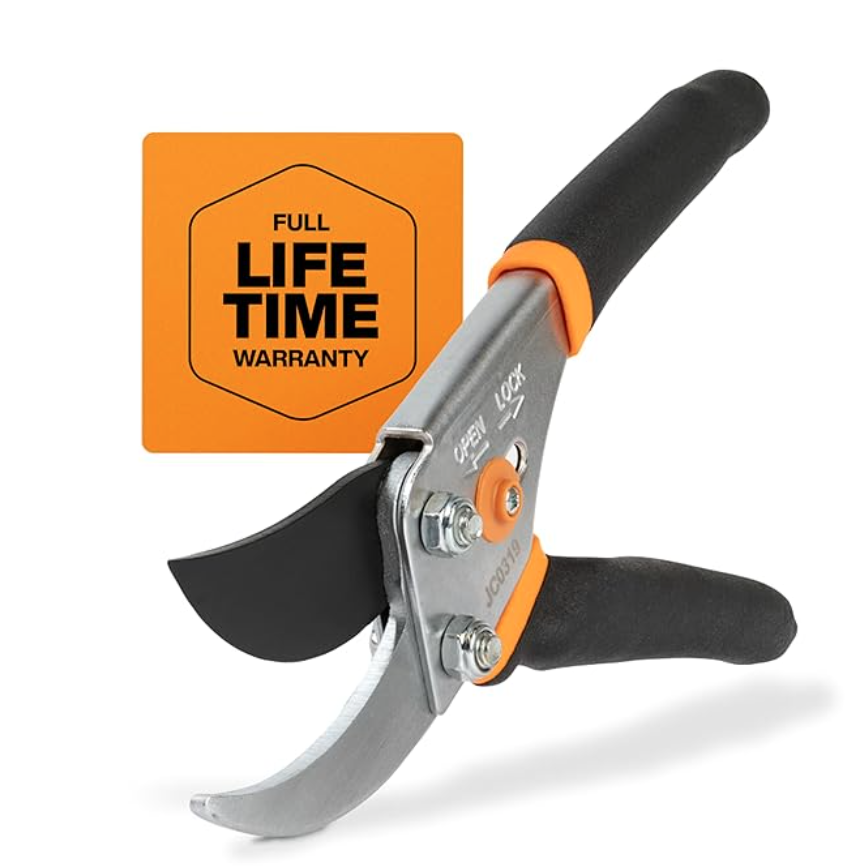
Curated Gear For Growing

Still have questions?

I'm here to help!