






Marigolds: The Ultimate Wingman for Your NYC Garden

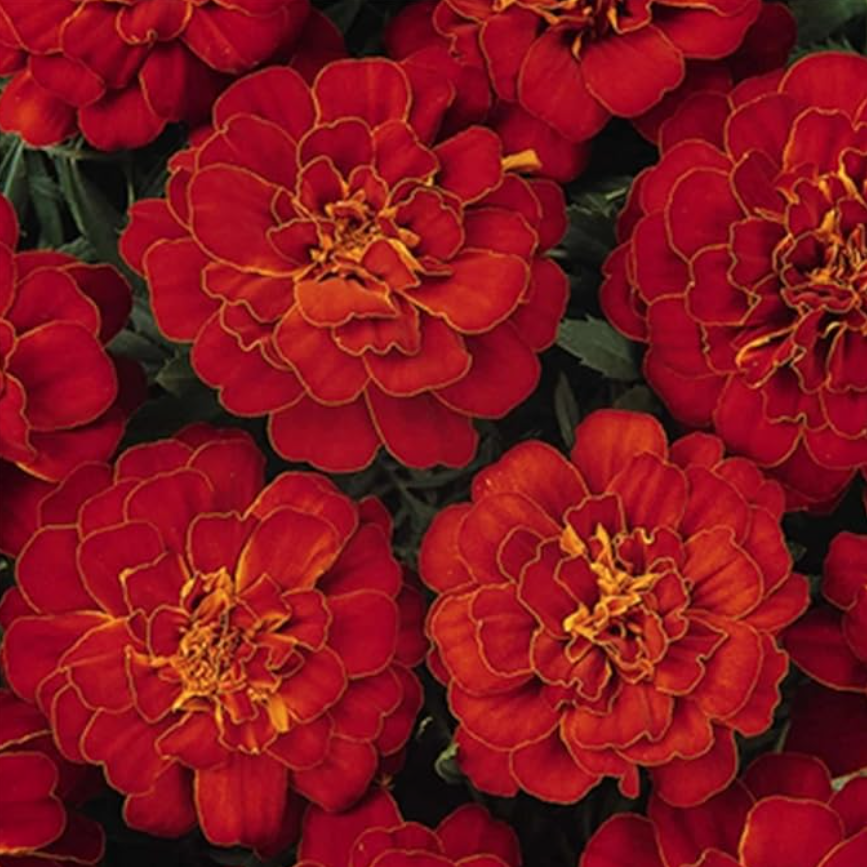
Red and orange marigold flower in full bloom in an urban garden setting

Where it Fits in NYC

List all icons of attributes directly under header image above like: container sizes, indoor/outdoor, hydroponic, spaces, click here to get seeds, difficulty, pollinator, cool/warm weather, perennial/annual, best month to plant, best month to harvest, etc.

Why I Grow It

I grow marigolds because they are a smart, natural way to protect my garden. These vibrant flowers naturally deter pests like whiteflies and nematodes, keeping my other crops safe without the need for harmful pesticides. They bring in the pollinators I need to ensure my tomatoes and cucumbers produce a massive harvest. Marigolds thrive in containers, so they are the perfect fit for my balcony and rooftop pots. I love how low-maintenance they are and how they improve soil health over time. I always intercrop them with my arugula and peppers to keep my urban garden vibrant, productive, and sustainable.

get your seeds now

Growth Essentials

Light

Marigolds require 6-8 hours of direct sunlight daily.

Indoors: Can be grown in pots with bright light or hydroponically using grow lights for 10-12 hours.

Water

Water regularly to keep soil evenly moist. Indoors, air can dry soil quickly; outdoors, water regularly, especially during hot weather. Mulching helps retain moisture.

Temperature

Marigolds are a warm weather crop and thrive in 60-85°F, ideally 70-75°F. Plant outdoors in late spring in NYC zone 7b. Warm weather enhances vibrant flower color and growth.

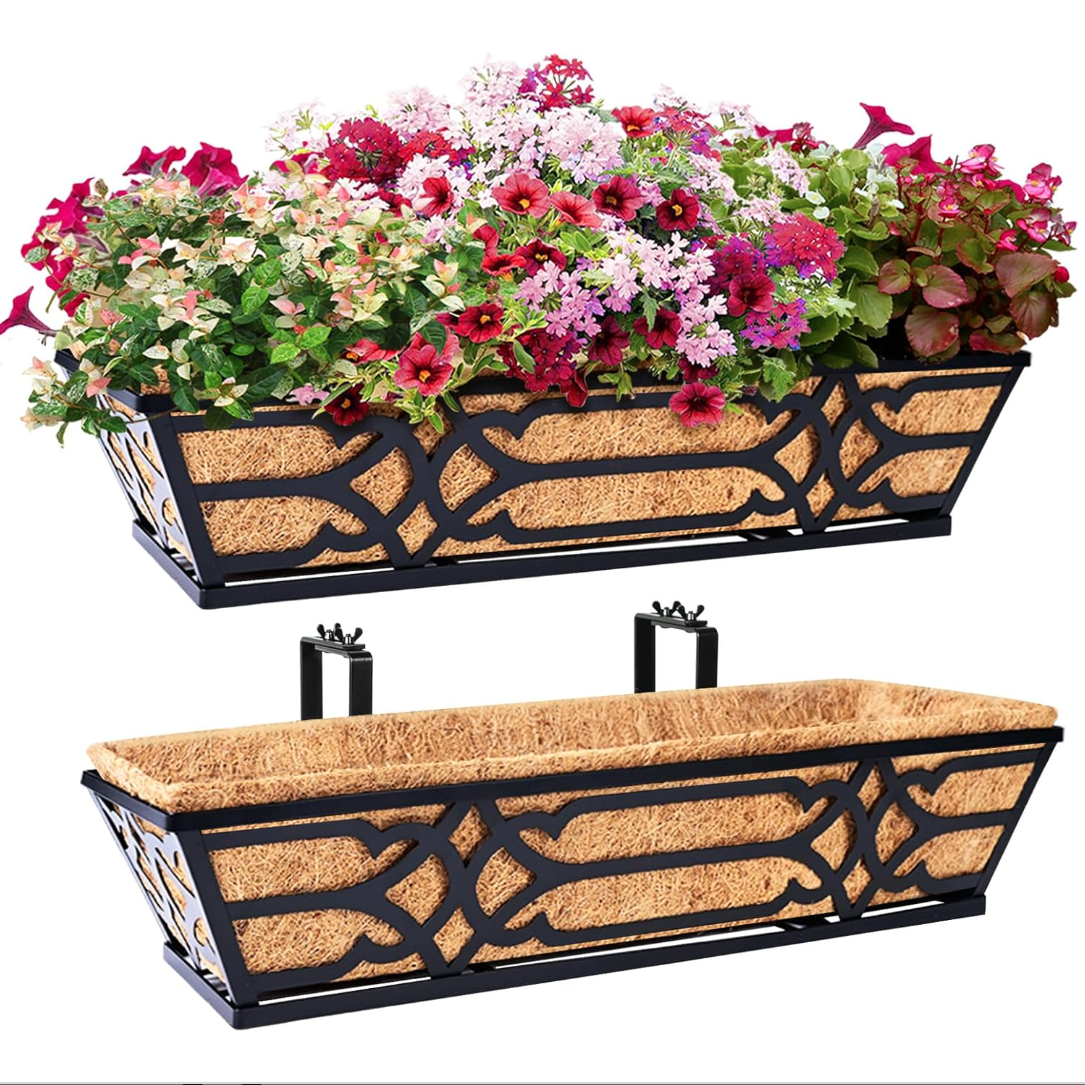
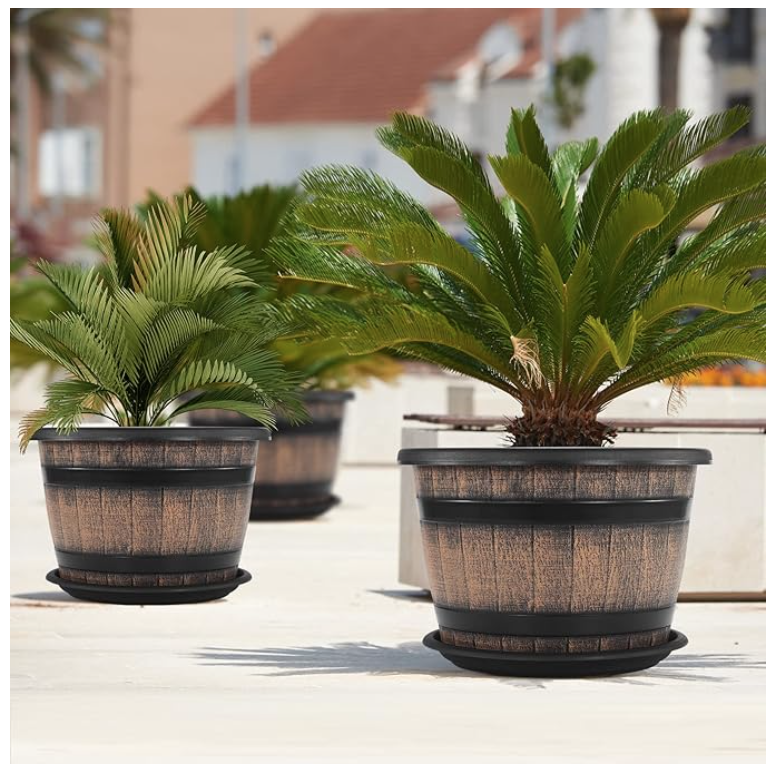
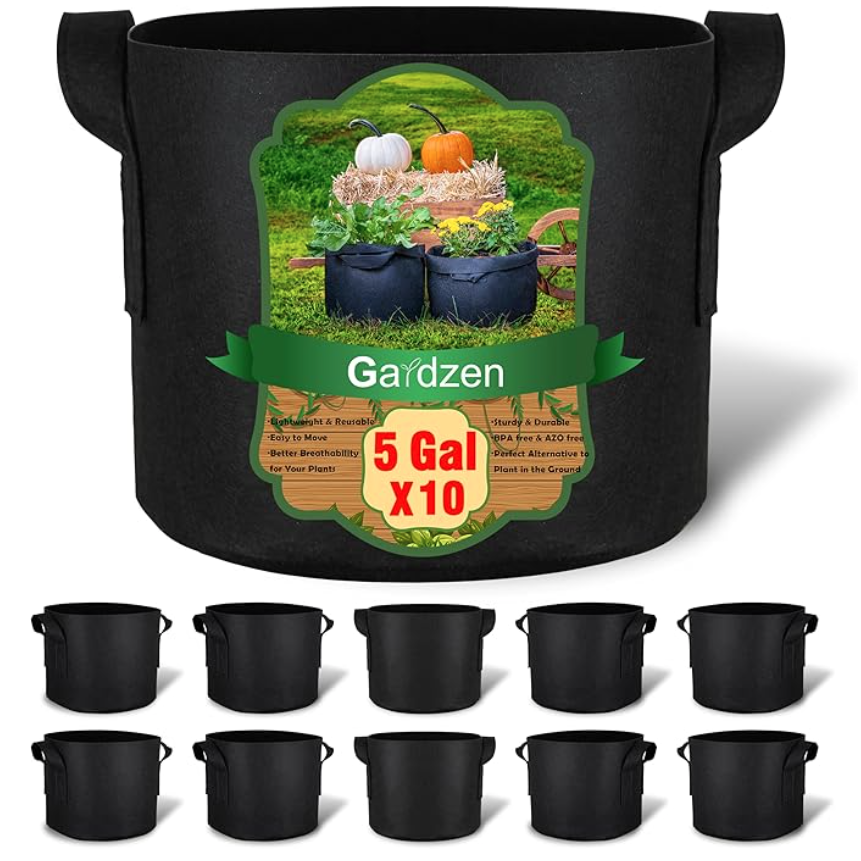
Containers

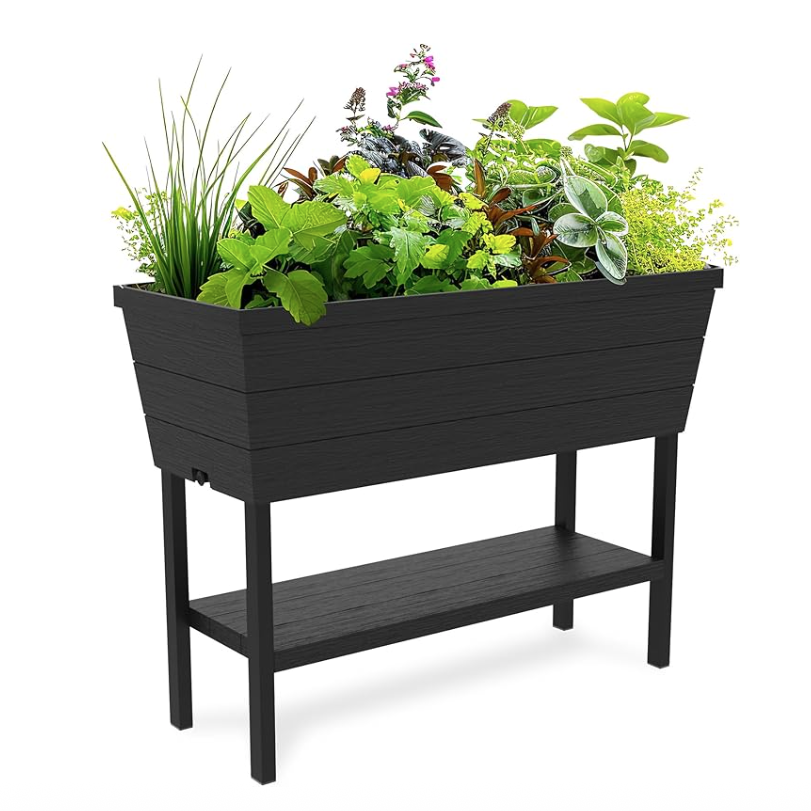
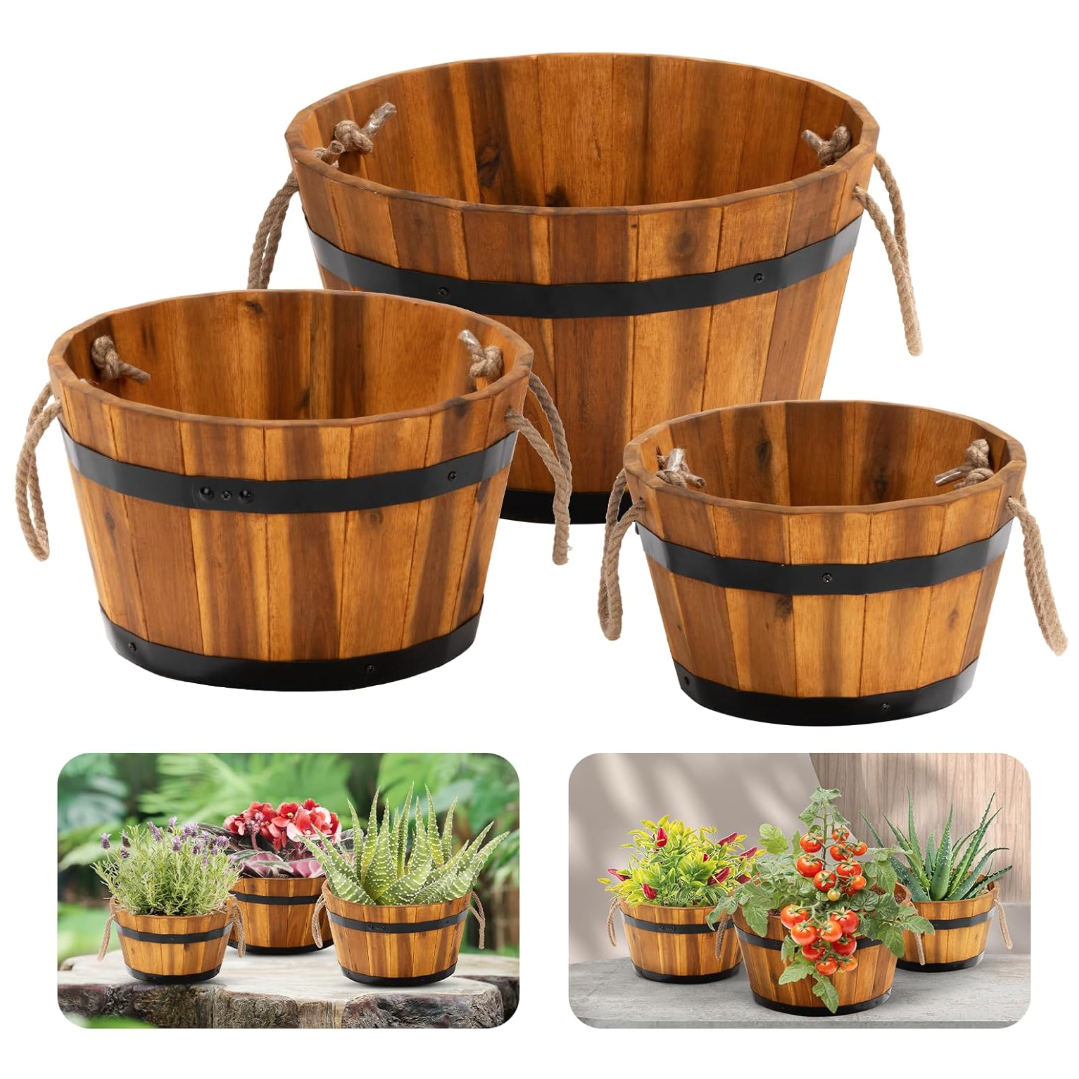
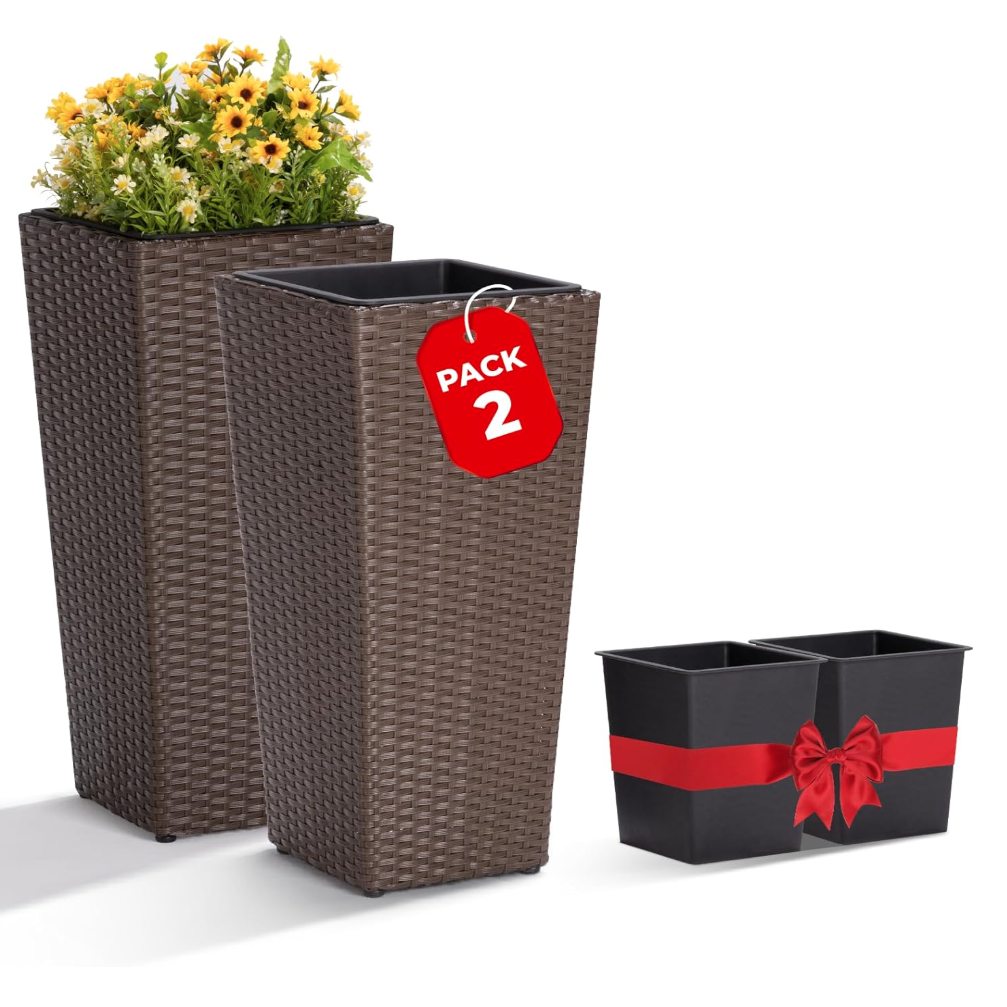
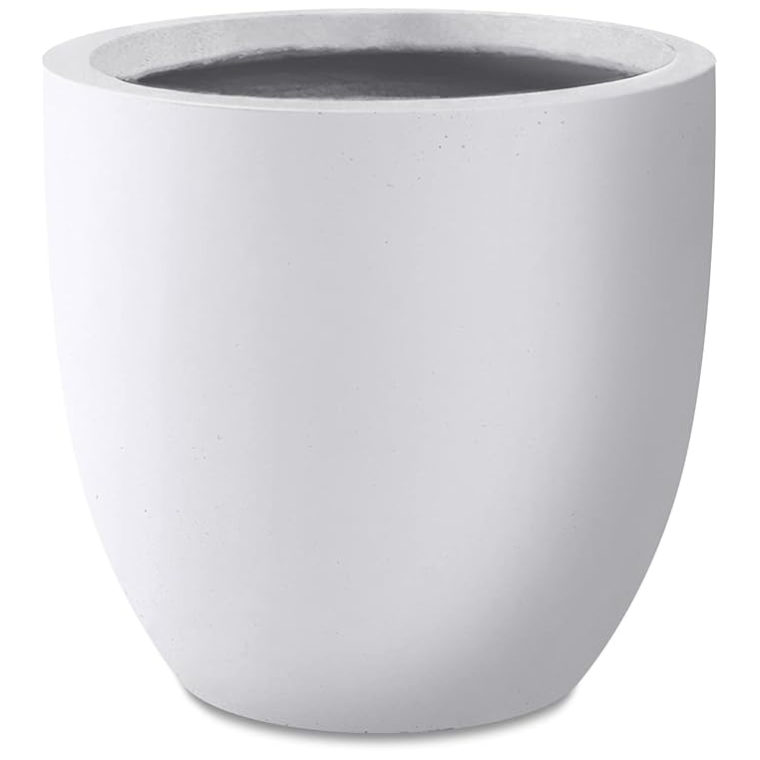
Indoors: 6-8" wide, 6" deep, 1 gallon. Outdoors: 8-10" wide, 8-10" deep, 2-3 gallons.

Soil

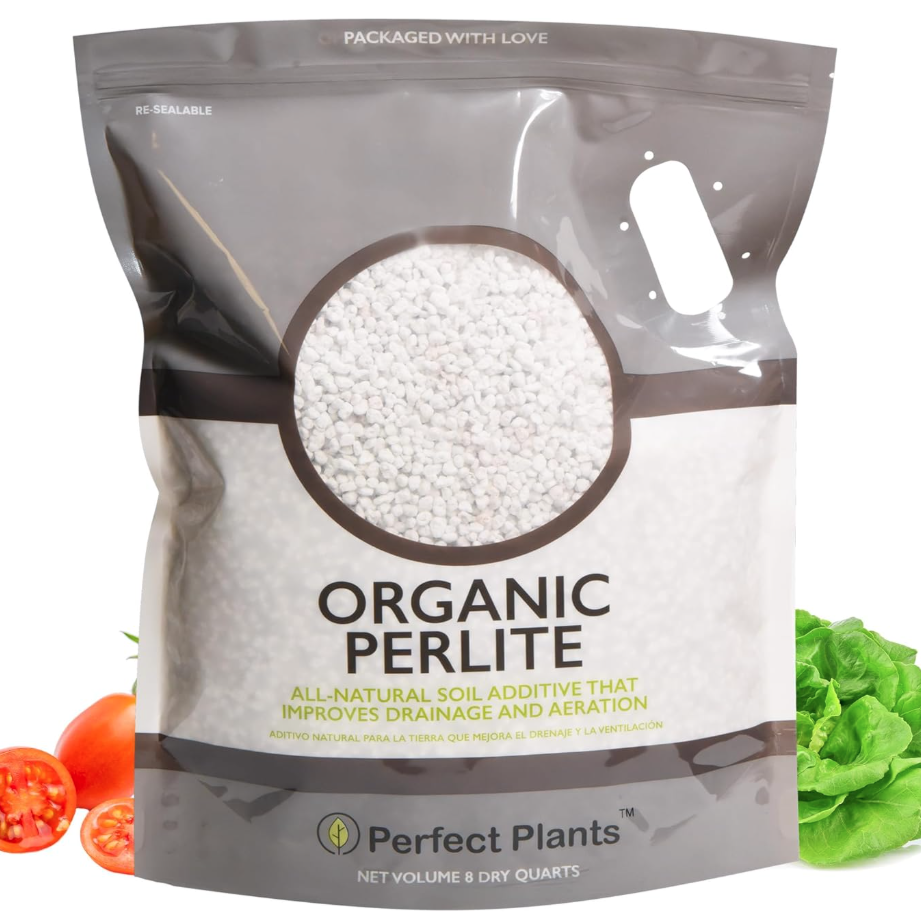
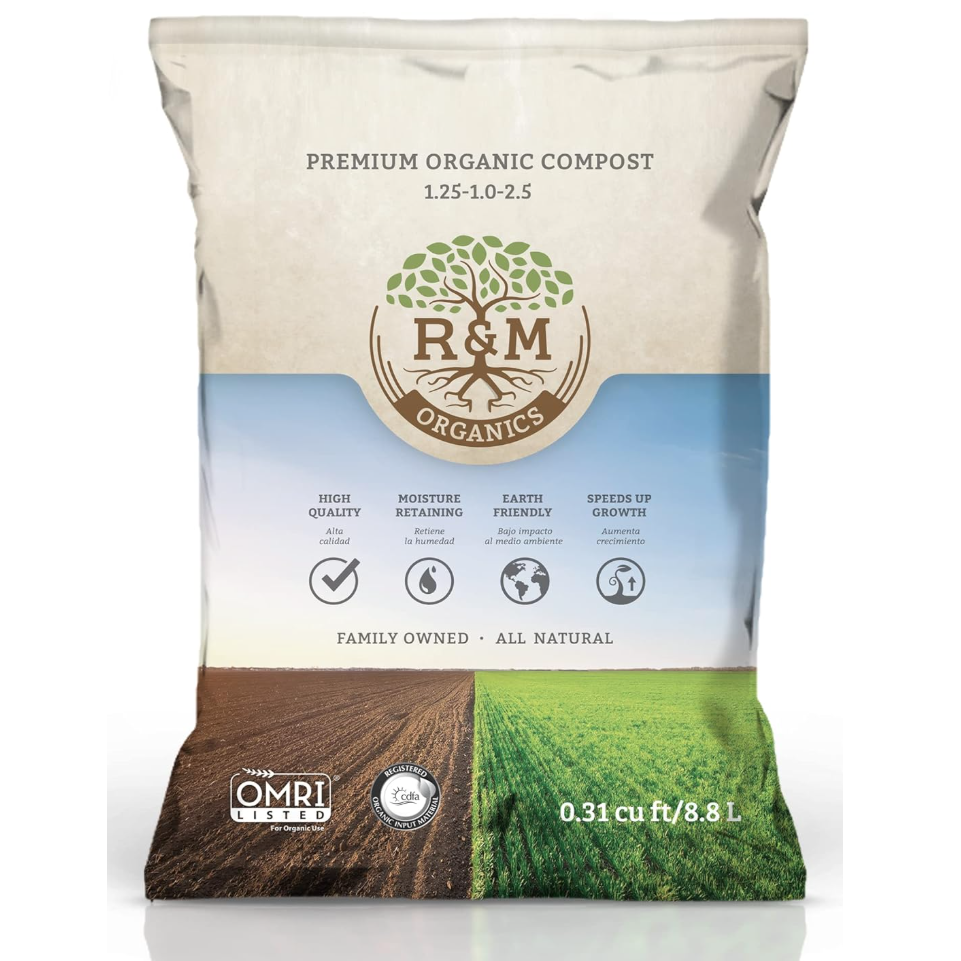
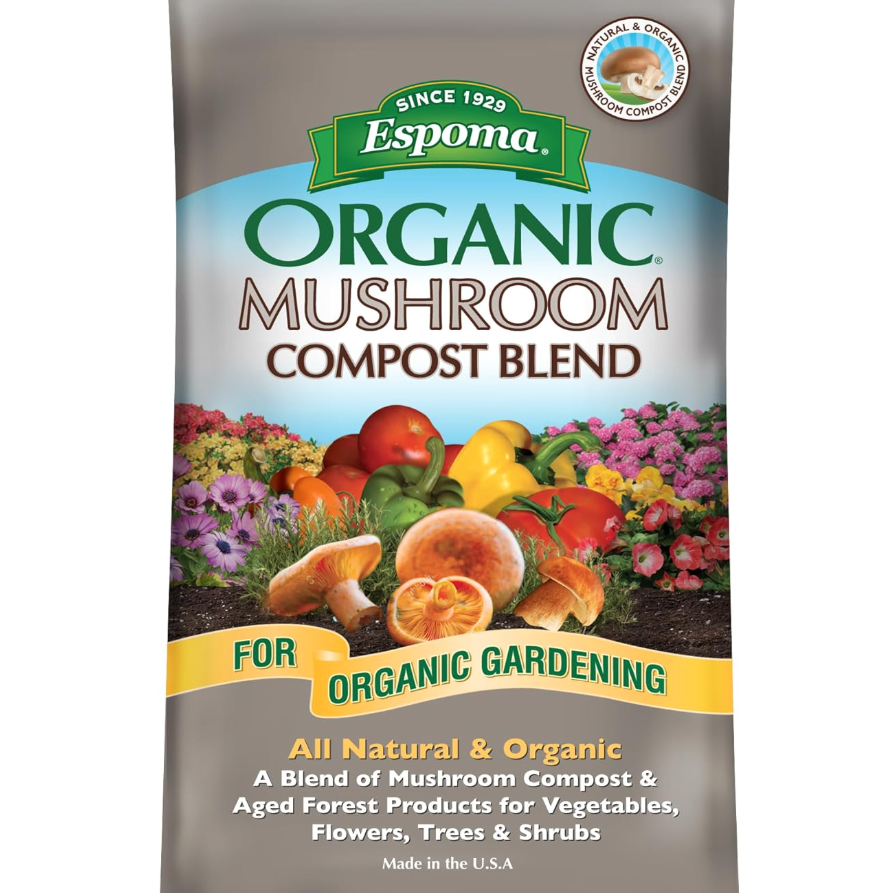
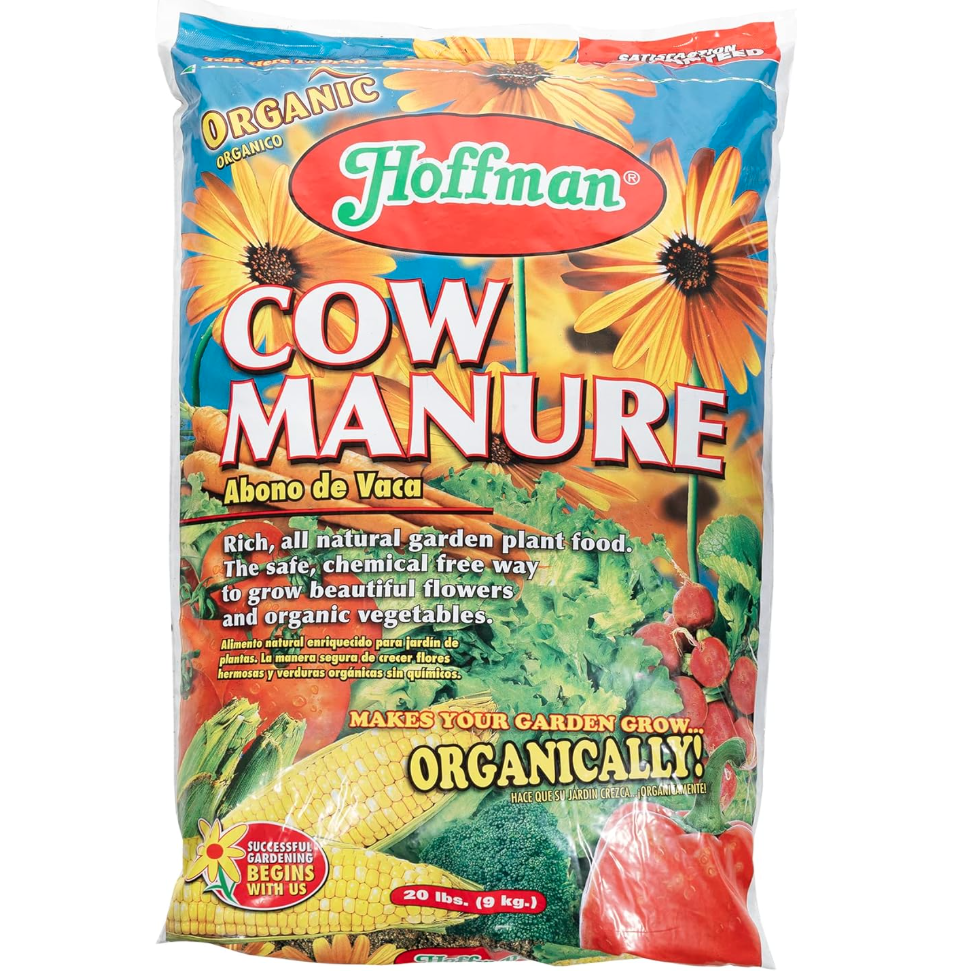
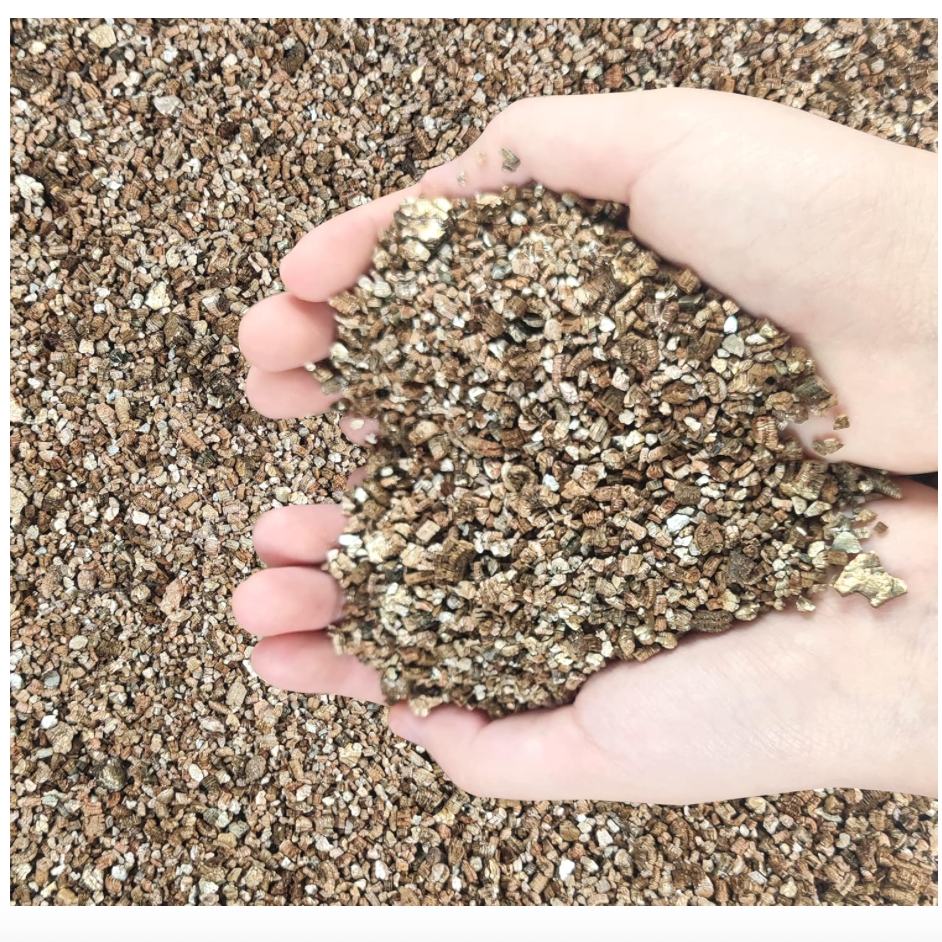
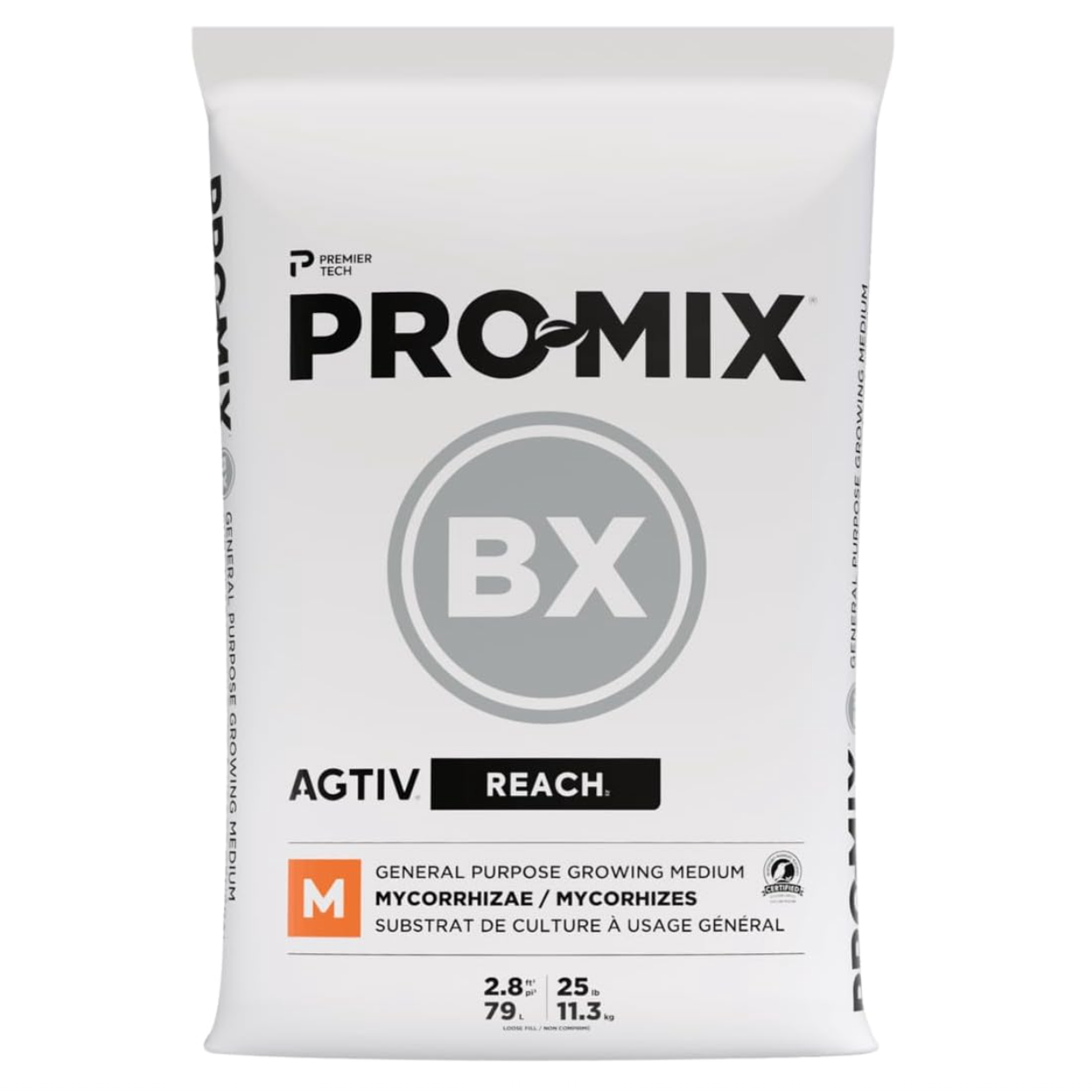
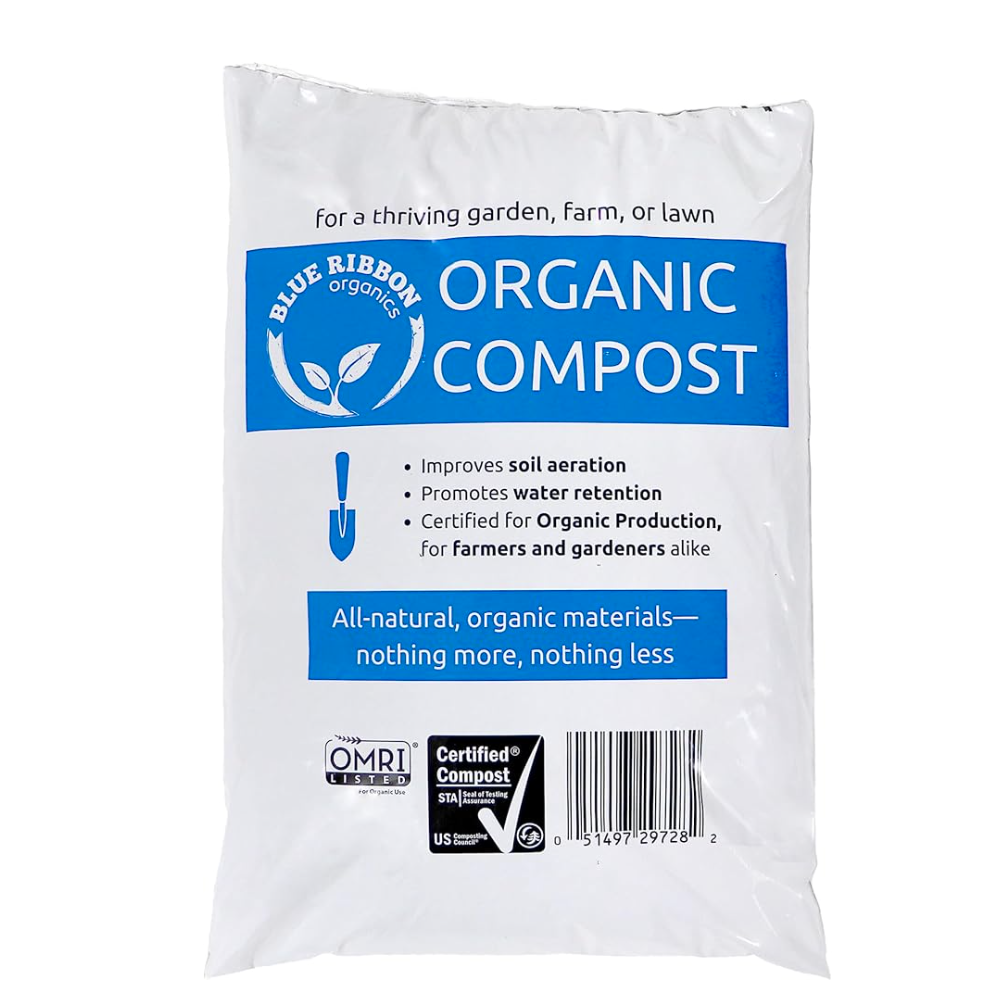
Marigolds love rich, well-draining potting mix with compost from vegetable peelings or garden compost.

Fertilizer

Use balanced, water-soluble fertilizer 10-10-10 every 4-6 weeks.

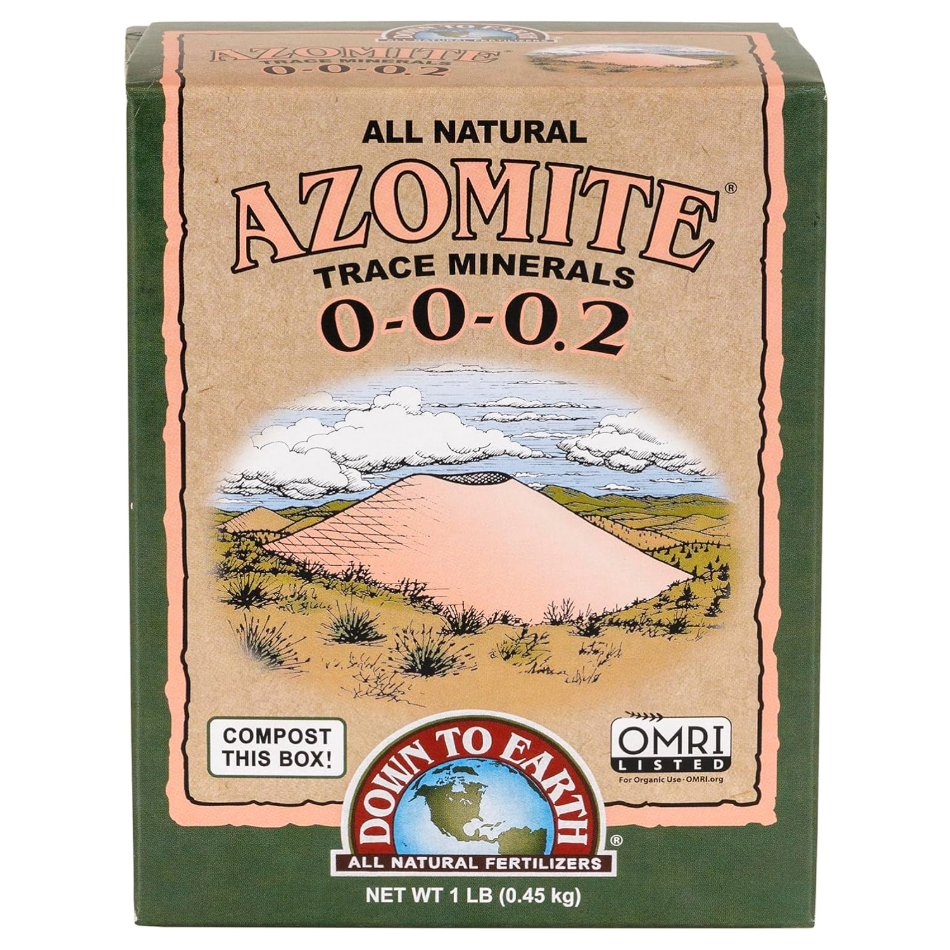
Organic Options: compost, fish emulsion, bone meal. Regular feeding supports vibrant flowers and robust growth.

Harvesting Tips

Harvest flowers regularly to encourage more blooms. Consistent harvesting ensures a supply of bright, edible flowers.

Harvest Time

Moderate: 10-12 Weeks

Freshly harvested marigold flowers often used as edible or garnish flowers
Red and orange marigold flower in full bloom in an urban garden setting

Common Growing Issues

Why are my leaves turning yellow?

Why It's Happening:

This is usually a sign of "wet feet." NYC humidity and heavy rains can keep soil in plastic pots soggy for too long, suffocating the roots.

How to Fix It:

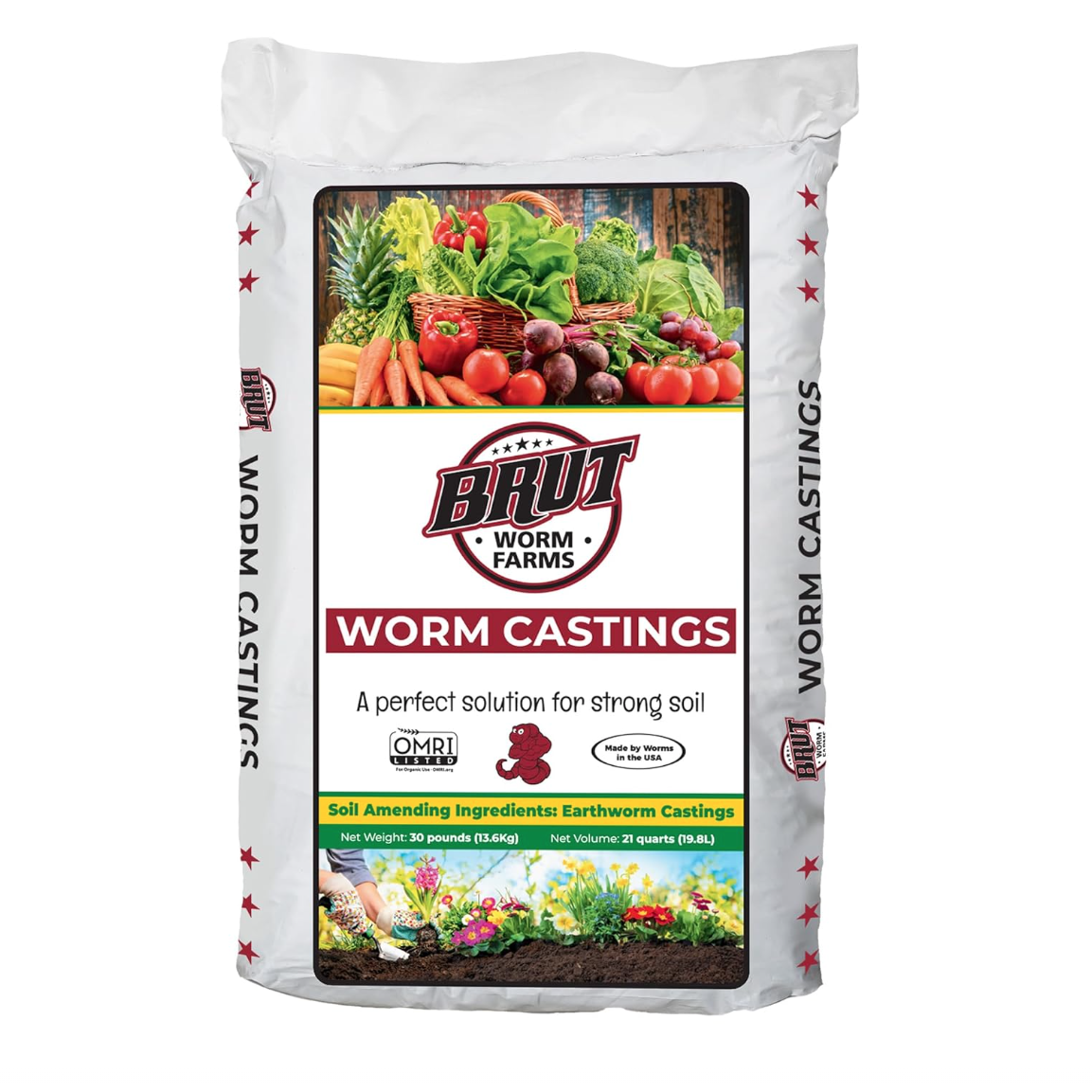
Ensure your pot has plenty of drainage holes. Let the soil dry out between waterings. Mixing in worm castings helps the soil stay nutrient-rich while improving drainage.

What are these tiny bugs on my flowers?

Why It's Happening:

Aphids love the tender new growth of Marigolds. In the city, these pests thrive in the warm microclimates of balconies and rooftops.

How to Fix It:

Buy ladybugs to release on your plants—they are aphid-eating machines! You can also wash the bugs off with a strong stream of water in the sink or shower.

Why is my marigold wilting?

Why It's Happening:

Marigolds are tough, but the oven effect from NYC concrete and brick walls can bake a small pot's soil in hours.

How to Fix It:

Water deeply in the morning so the plant is hydrated before the sun hits the buildings. Adding compost to the top of the pot helps the soil retain moisture during a heatwave.

Why is my plant growing so slowly?

Why It's Happening:

Marigolds need full sun. If tall NYC buildings are shading your balcony for more than half the day, growth will stall.

How to Fix It:

Move the plant to your sunniest windowsill or rooftop spot. Use a 10-10-10 balanced fertilizer once a month to give the plant the energy it needs to bloom in a container.

Why is there white powder on the leaves?

Why It's Happening:

This is Powdery Mildew. It is very common in NYC because the air stays sticky and doesn't circulate well between high-rises.

How to Fix It:

Space your pots further apart to improve airflow. Always water the soil directly, not the leaves. Beneficial nematodes in the soil can help strengthen the plant's overall health.

Grows Together With (Companion Planting)

Health & Nutrition Spotlight

The edible petals of marigolds are surprisingly high in Vitamin C and potassium, and they contain lutein, which is vital for protecting your eyes.

Curated Gear For Growing

Still have questions?

I'm here to help!