





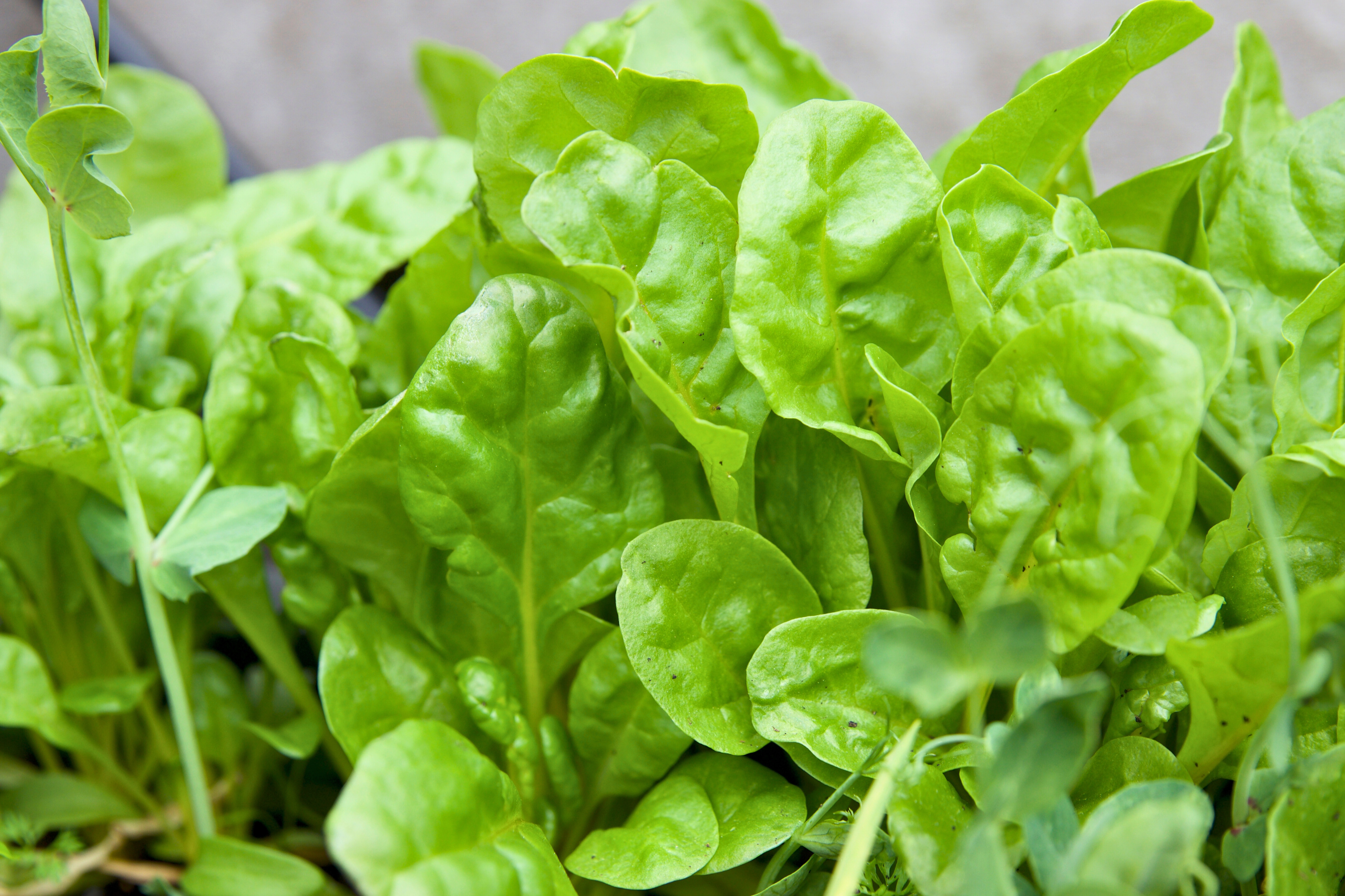


Enjoy a Bountiful Spinach Harvest and Cut Your Food Miles

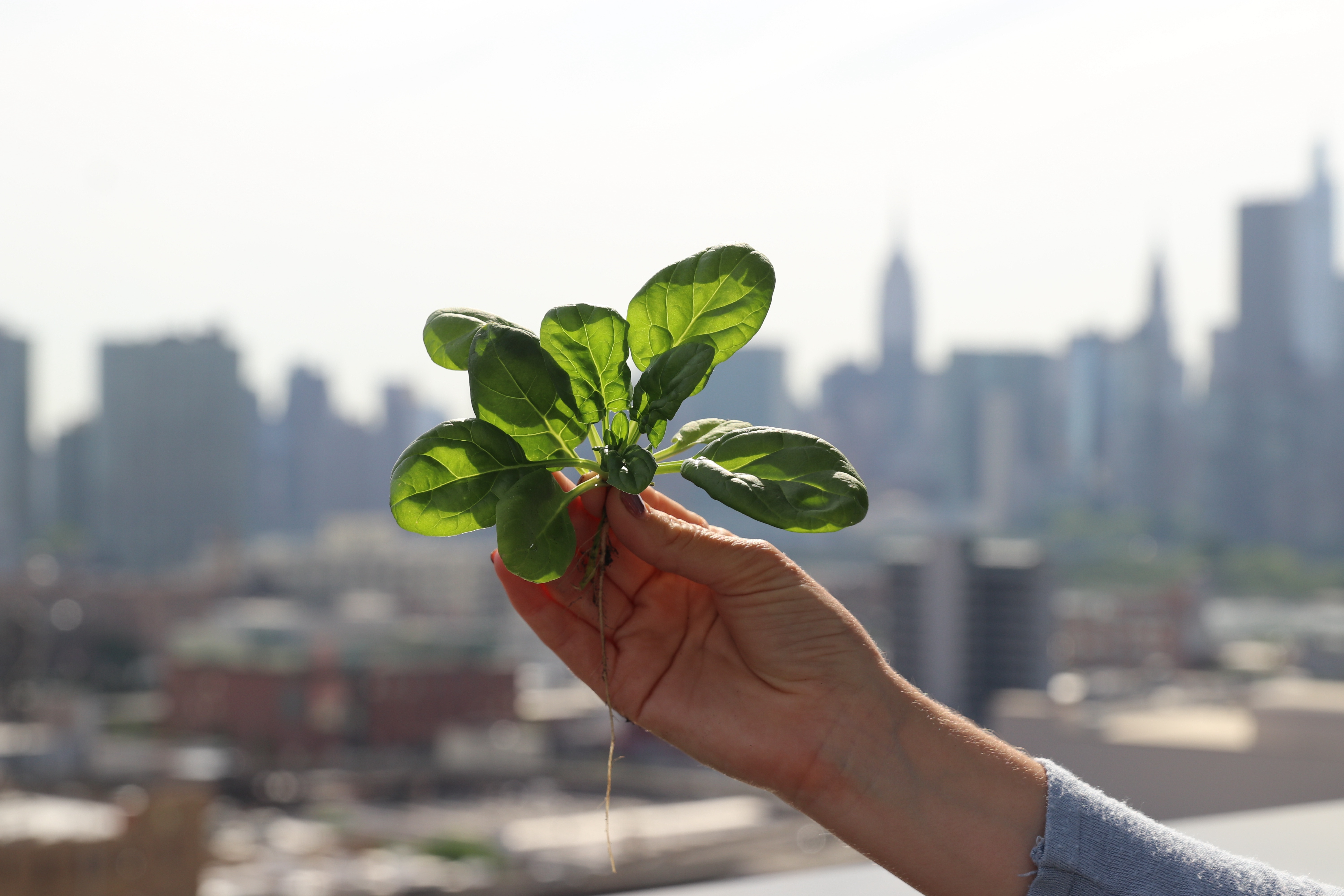
Hand holding a young spinach plant with visible roots on a New York City rooftop.

Where it Fits in NYC

List all icons of attributes directly under header image above like: container sizes, indoor/outdoor, hydroponic, spaces, click here to get seeds, difficulty, pollinator, cool/warm weather, perennial/annual, best month to plant, best month to harvest, etc.

Why I Grow It

I grow spinach because it fits into small containers and give me a quick reward for very little effort. Having a steady supply of fresh, pesticide-free spinach right in the heart of the city is a huge sense of accomplishment. I love how fast it grows, and I can harvest exactly what I need for dinner. It is a simple, delicious way to add more nutrition to my diet without relying on the wilted, plastic-heavy bags from the grocery store. Having it right in front of me, I will actually eat my greens like I know I should.

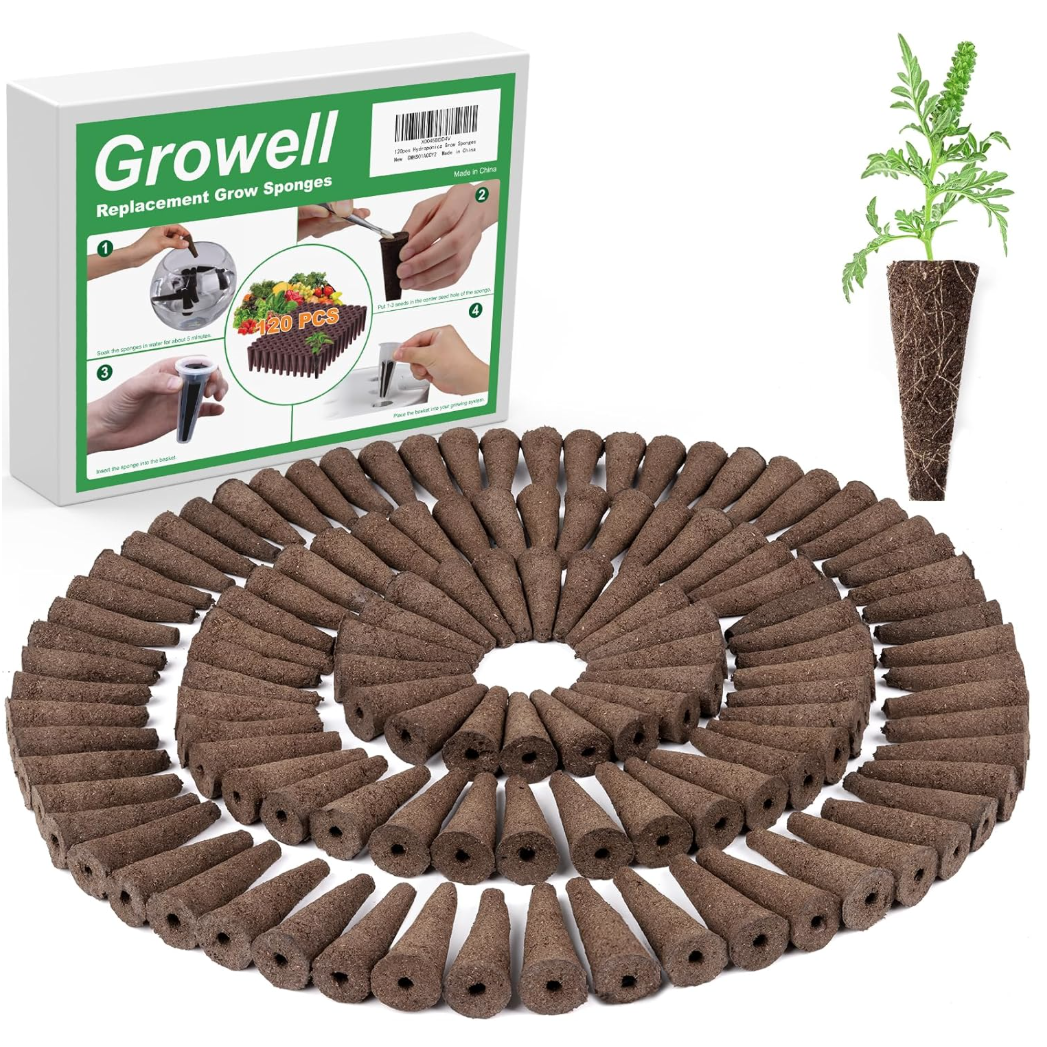
get your seeds now

Growth Essentials

Light

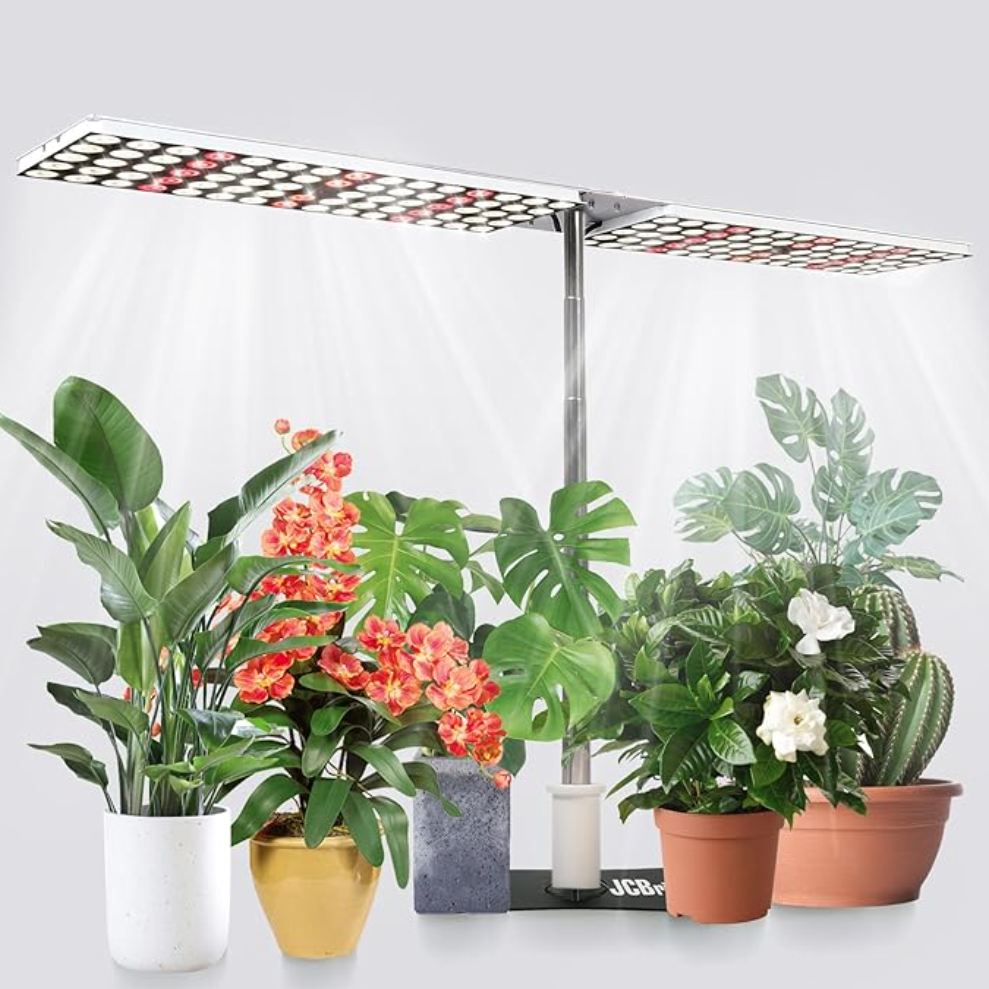
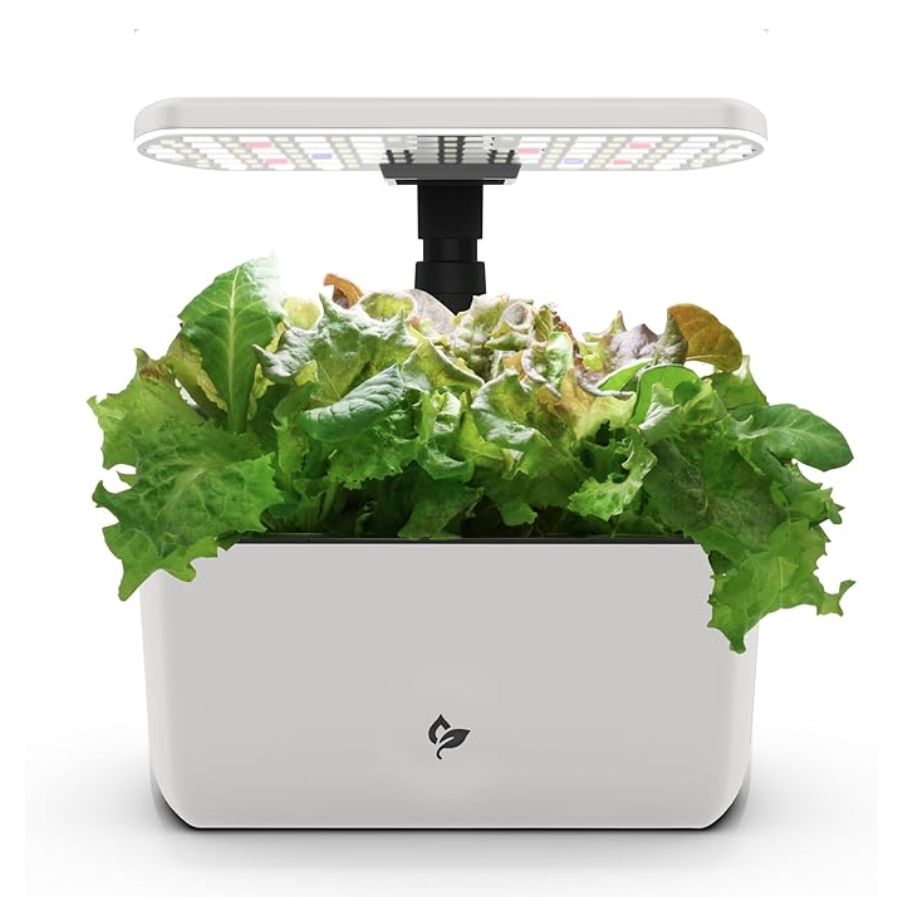
Spinach requires 4-6 hours of direct sunlight. Partial shade preferred in hot climates. Indoors: Grow in pots with bright light or hydroponically using grow lights for 10-12 hours.

Water

Keep soil evenly moist, watering regularly. Indoors, air can dry soil quickly; outdoors, water regularly, especially in full sun conditions. Mulching helps retain moisture.

Temperature

Spinach is a cool weather crop and loves 35-75°F, ideally 60-65°F. Plant outdoors in March-May and August-September in NYC zone 7b. Indoors, ensure 60-65°F year-round.

Containers

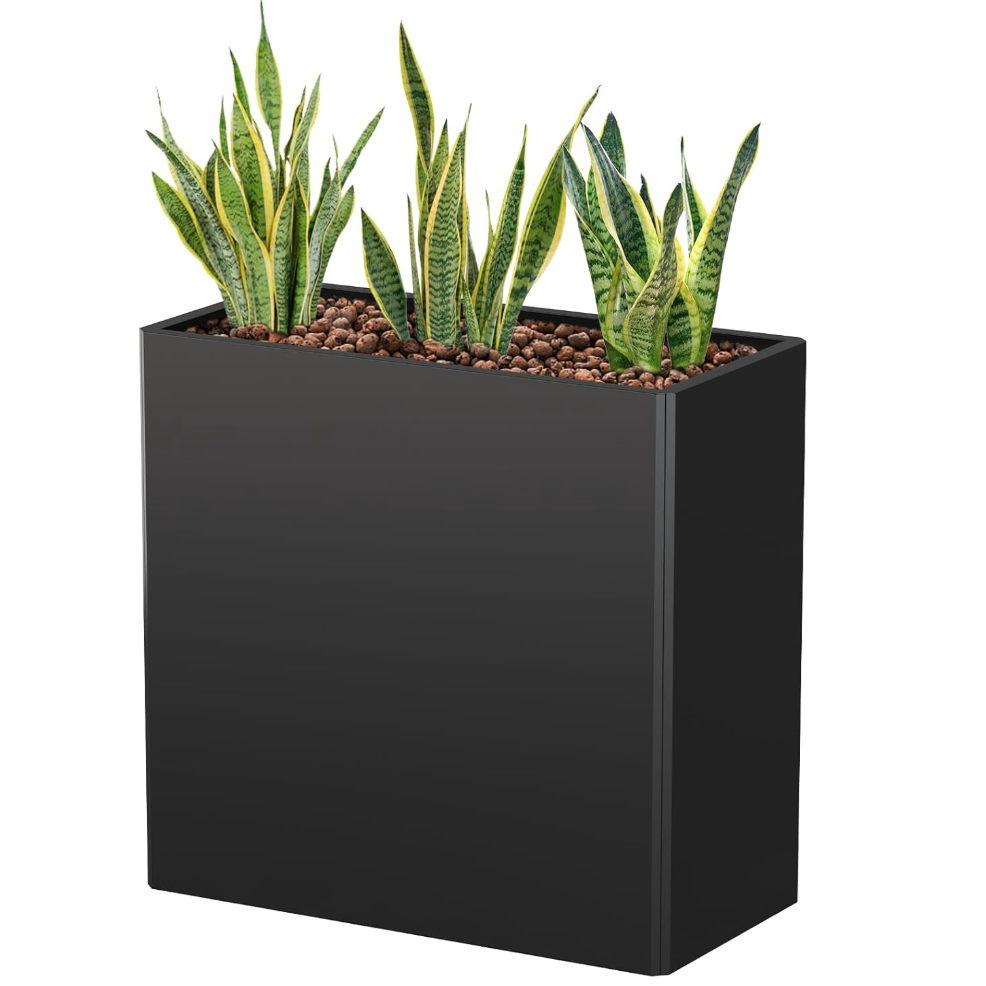
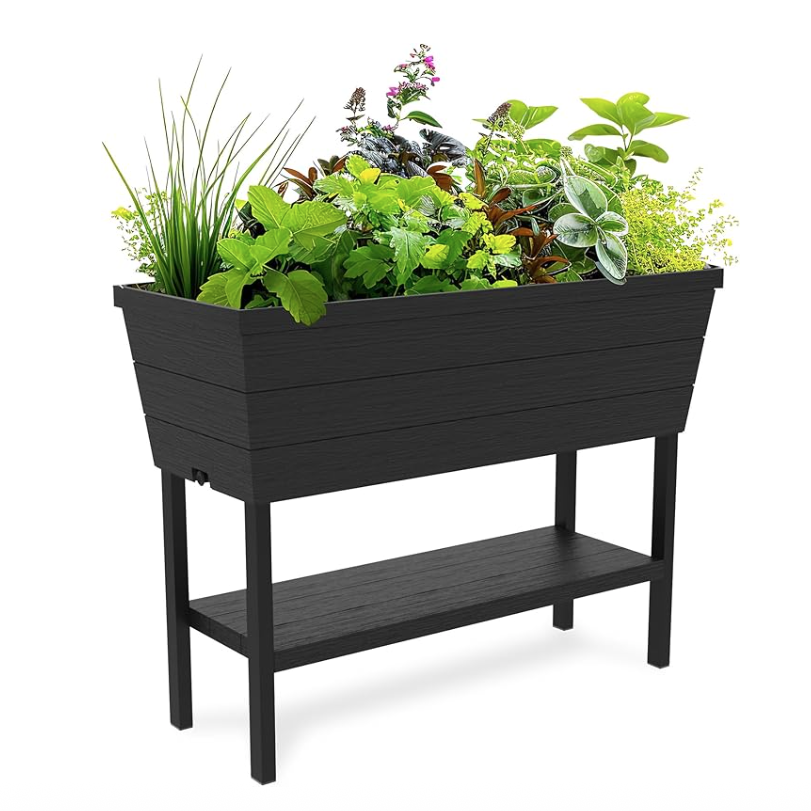
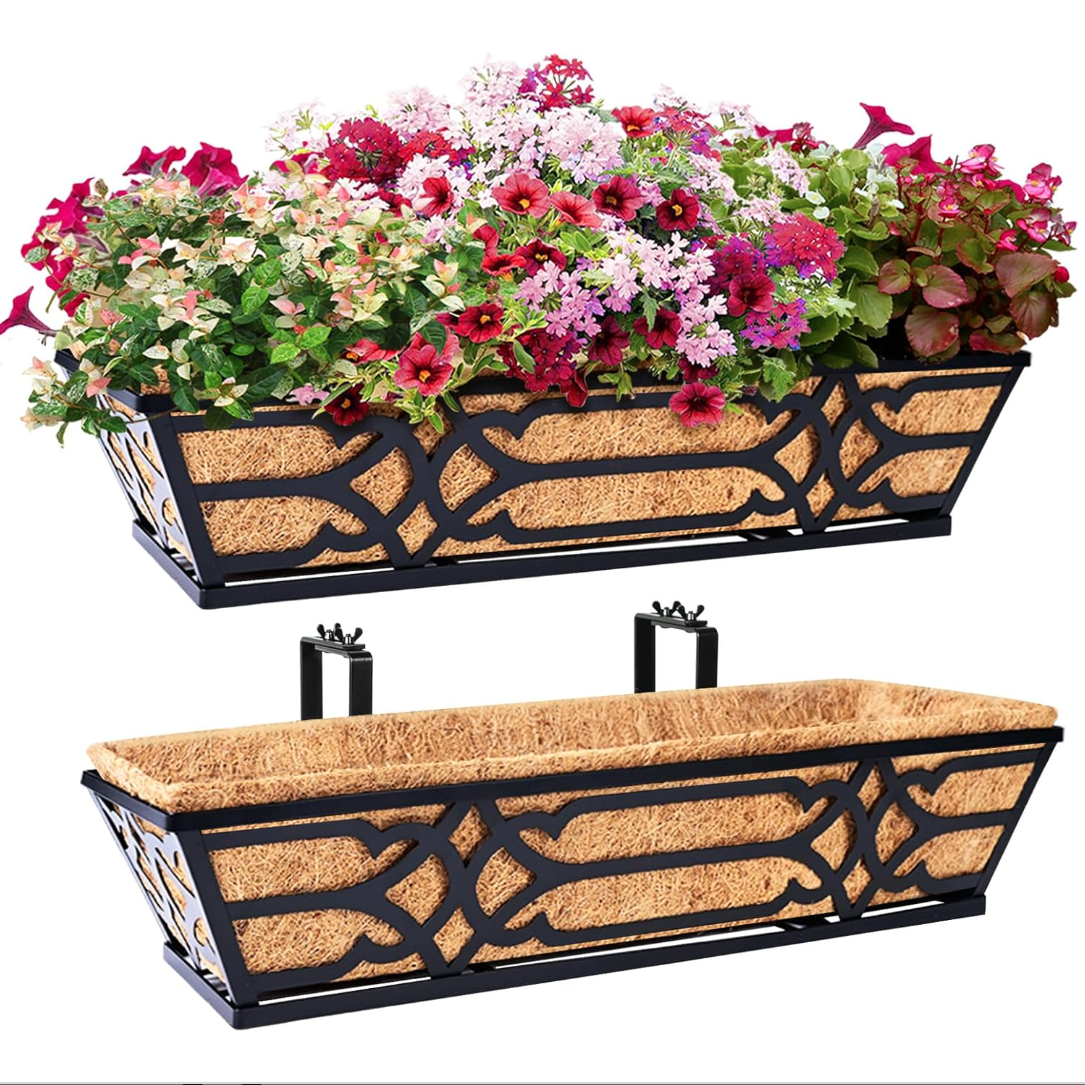
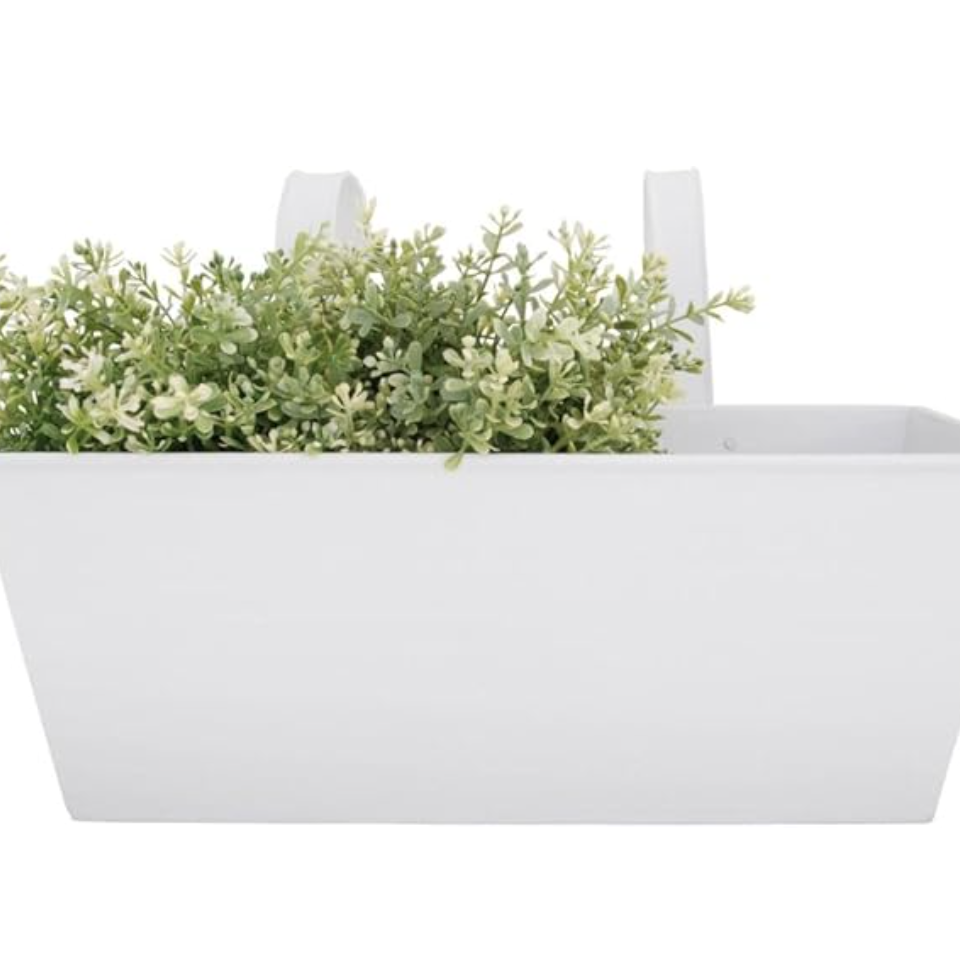
Indoors: 6-8" wide, 6" deep, 1 gallon.

Outdoors: 6-8" wide, 6-8" deep, 1-2 gallons.

Soil

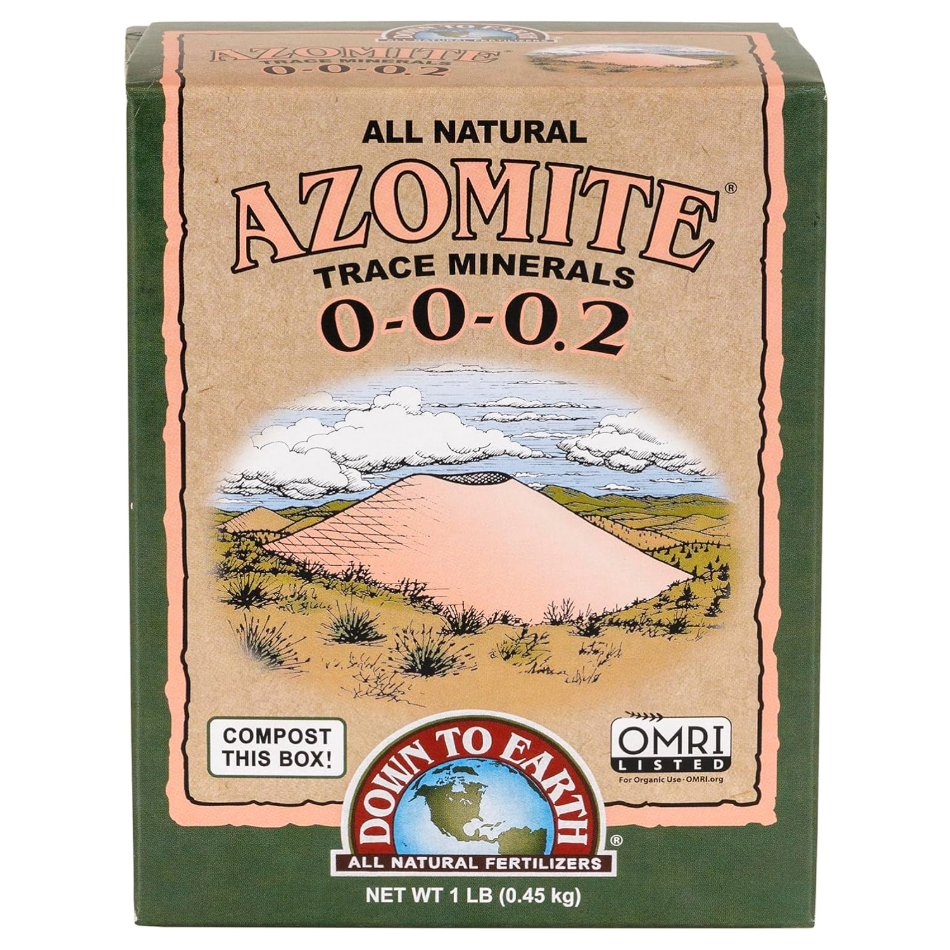
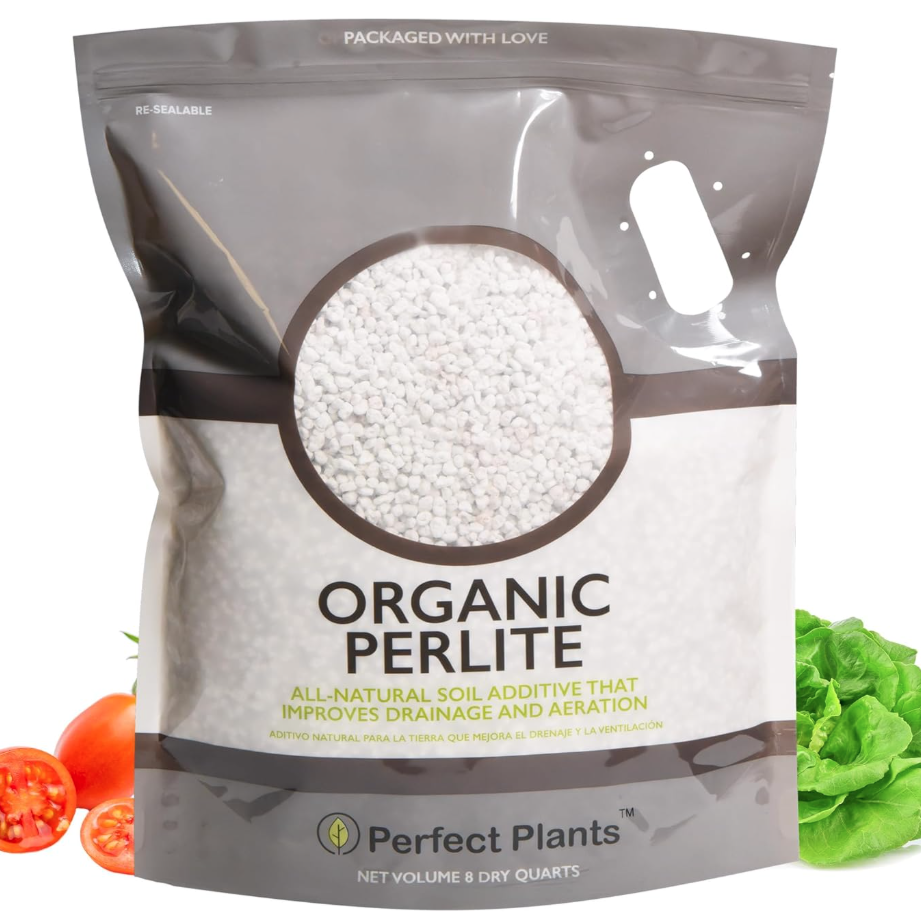
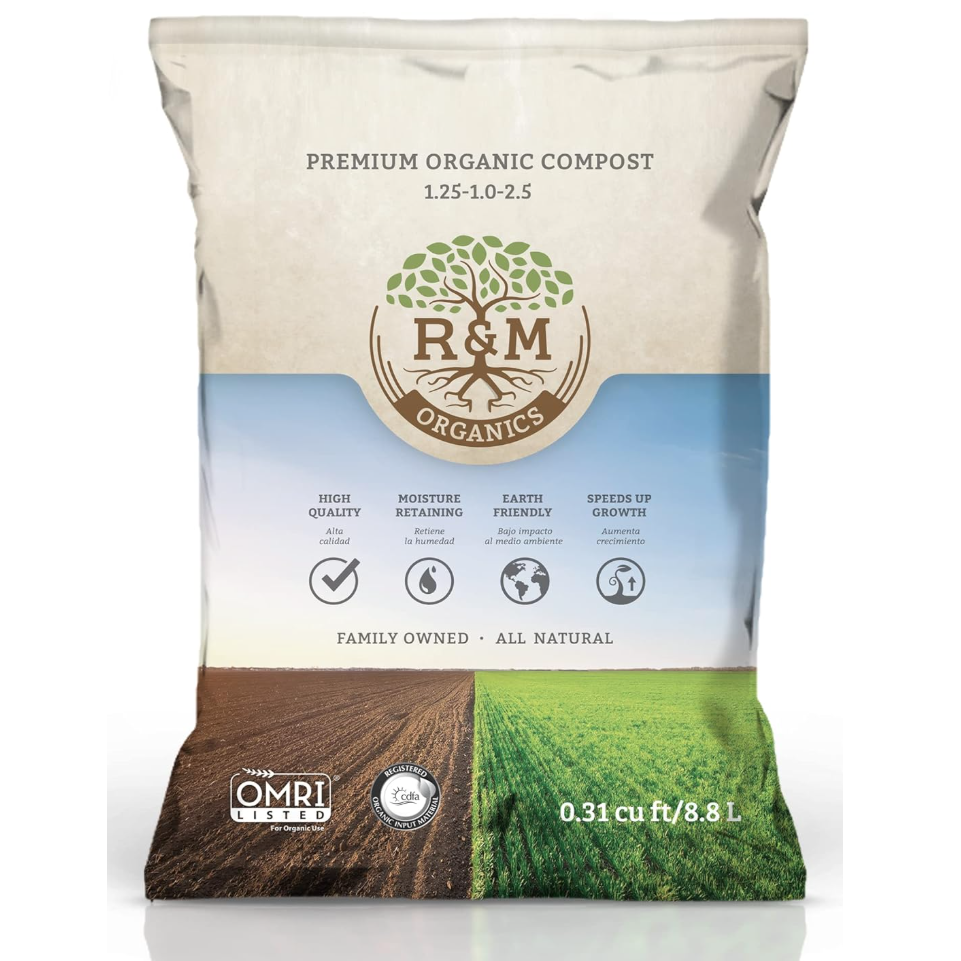
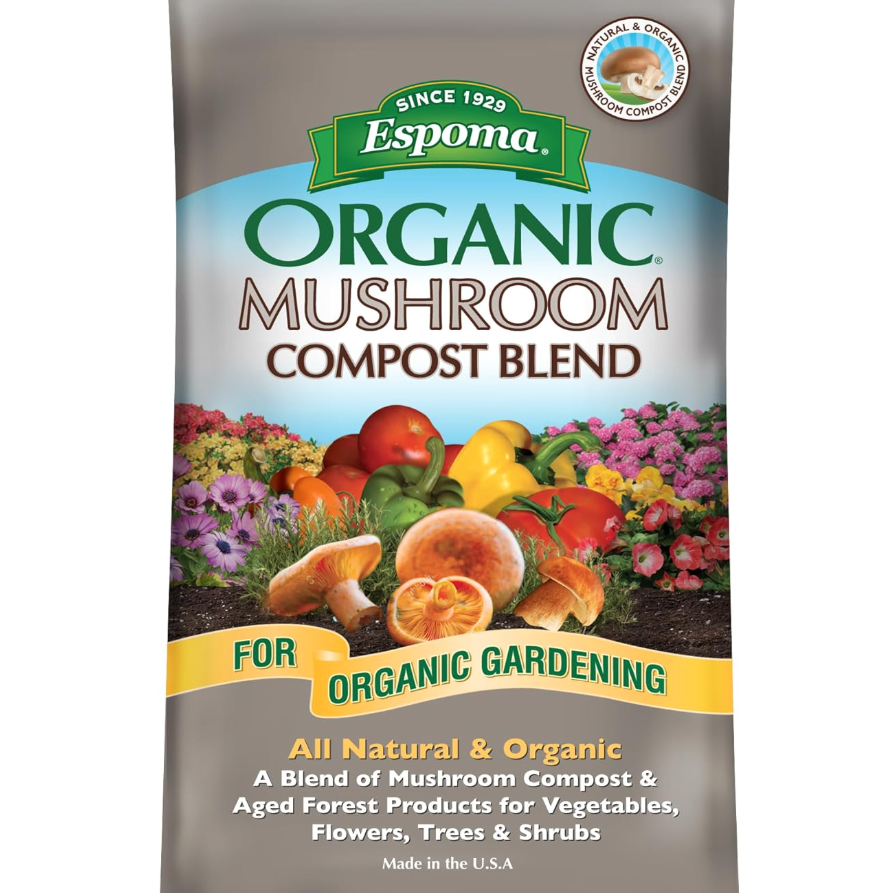
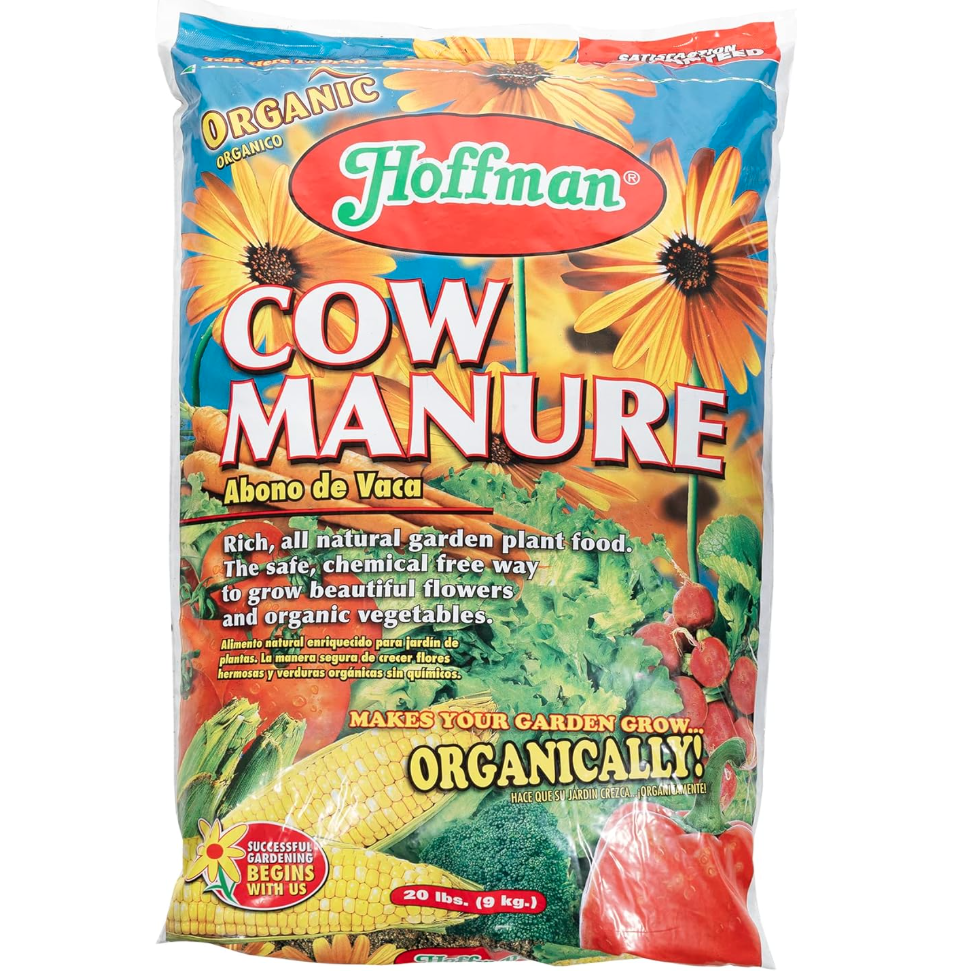
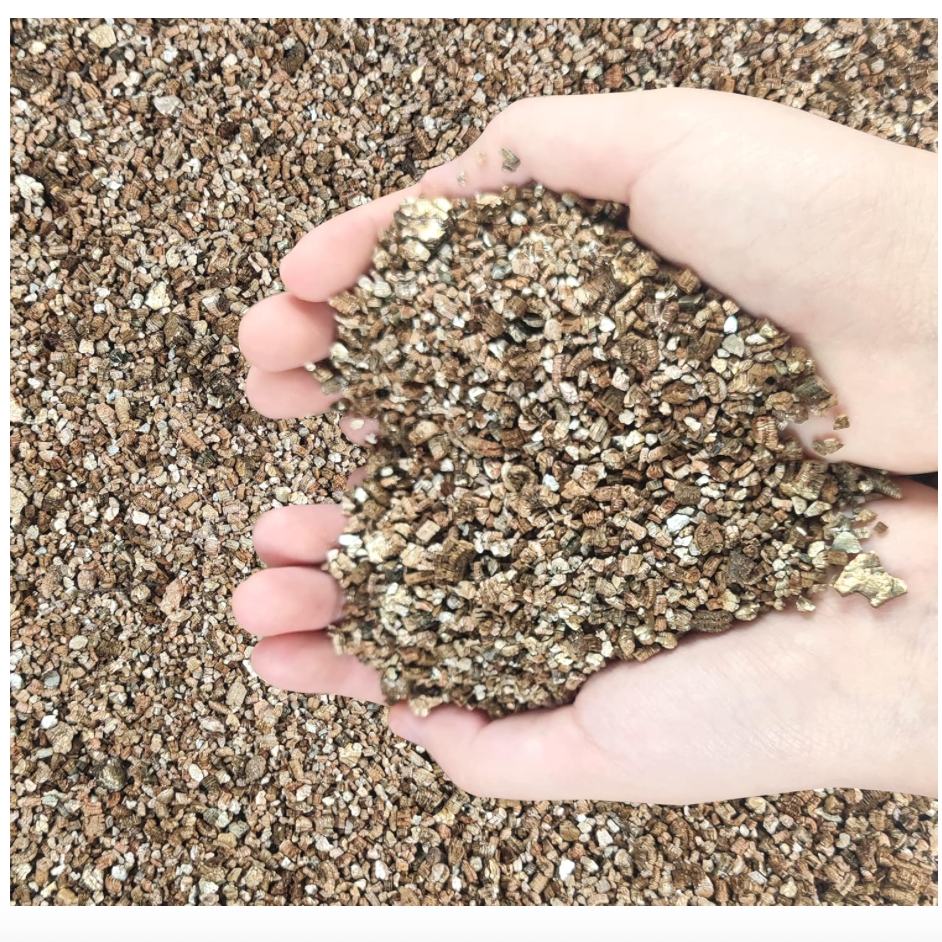
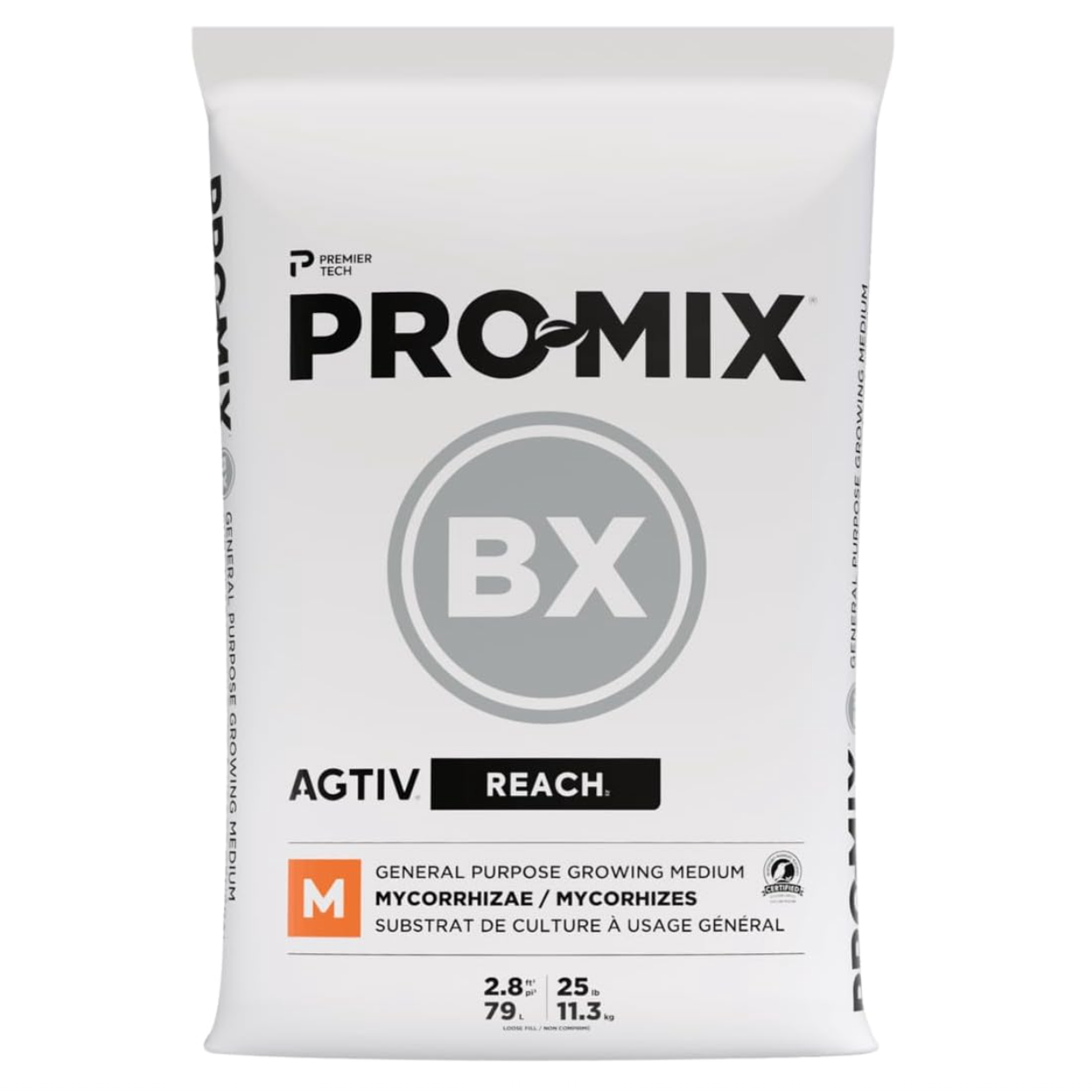
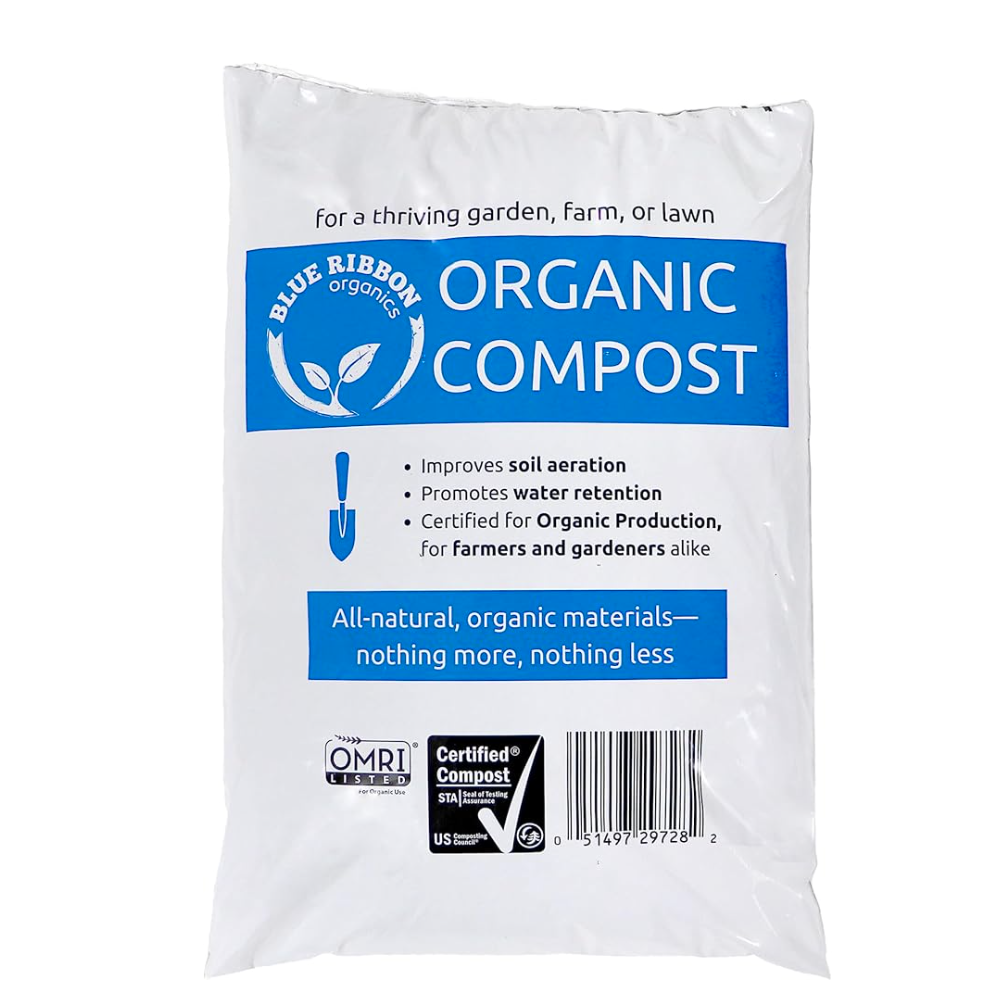
Spinach prefers rich, well-draining potting mix with compost like kitchen scraps or well-rotted manure. Keep the soil consistently moist for tender leaves.

Fertilizer

Apply high-nitrogen fertilizer 20-10-10 every 3-4 weeks.

Organic Options: fish emulsion, blood meal. Regular feeding ensures rapid growth and tender leaves.

Harvesting Tips

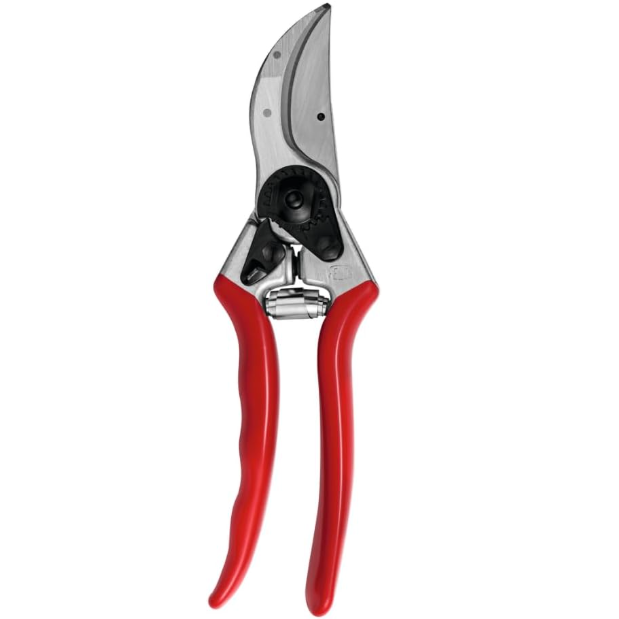
Harvest outer spinach leaves regularly to encourage new growth. Frequent harvesting ensures a continuous supply of tender leaves.

Harvest Time

Quick: 5-6 Weeks

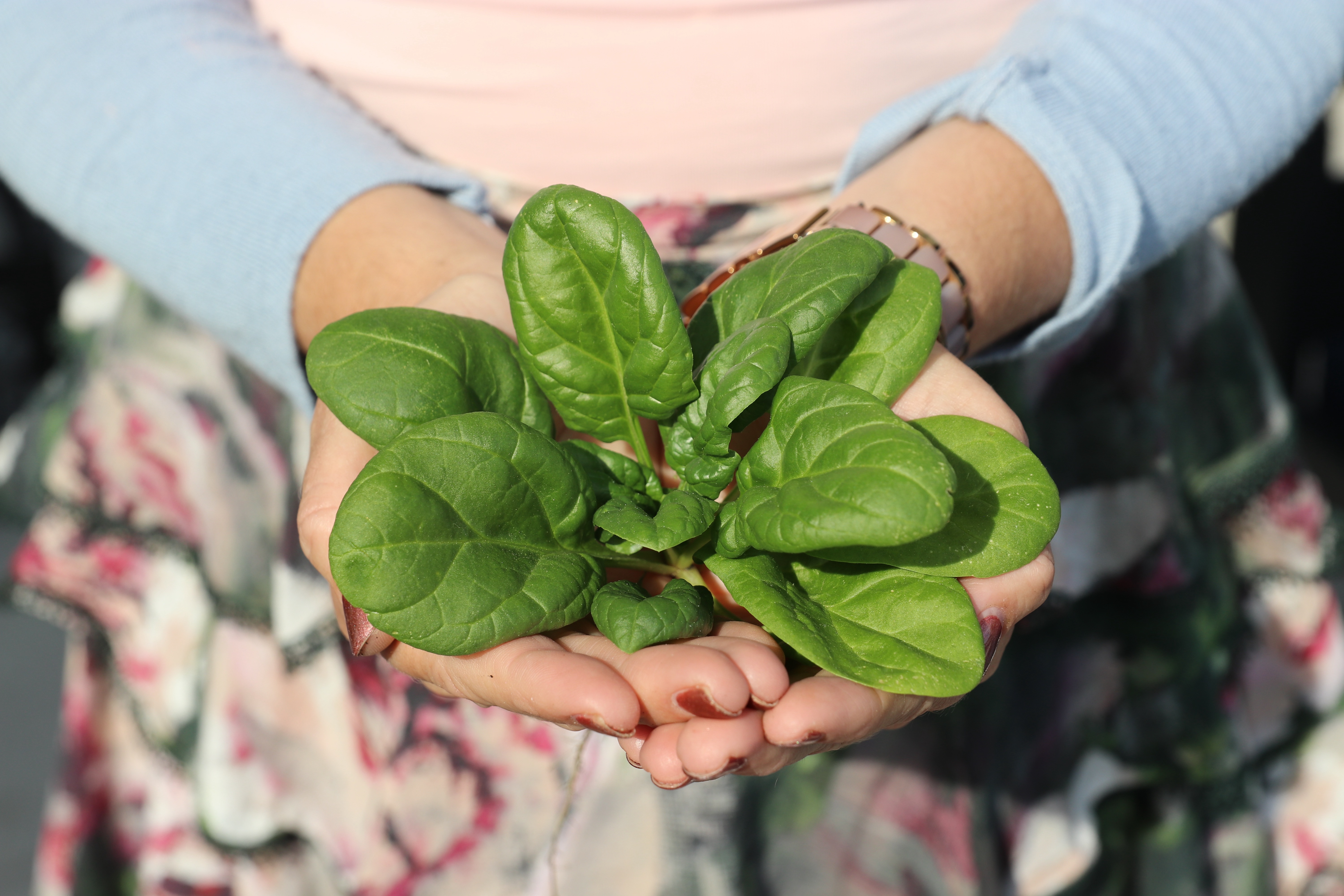
Fresh spinach rosette held in two hands, harvested from an urban garden.
Hand holding a young spinach plant with visible roots on a New York City rooftop.

Common Growing Issues

Why is my spinach wilting?

Why It's Happening:

Spinach has very thin roots. The heat from NYC concrete and brick walls can dry out the roots in just a few hours.

How to Fix It:

Water your spinach in the early morning. If it is very hot on your balcony, move the pot to a shady spot. Adding compost helps the soil stay damp.

Why is my plant growing a tall stalk?

Why It's Happening:

This is called bolting. NYC buildings trap heat, which makes the plant think it is summer. This makes the leaves taste bitter.

How to Fix It:

Plant your spinach in early spring or late fall when it is cool. If the city gets a sudden heat wave, use a sunshade to keep the plant cool.

Why are the leaves turning yellow?

Why It's Happening:

This is usually from too much water. NYC humidity and sticky air make it hard for soil in small pots to dry out.

How to Fix It:

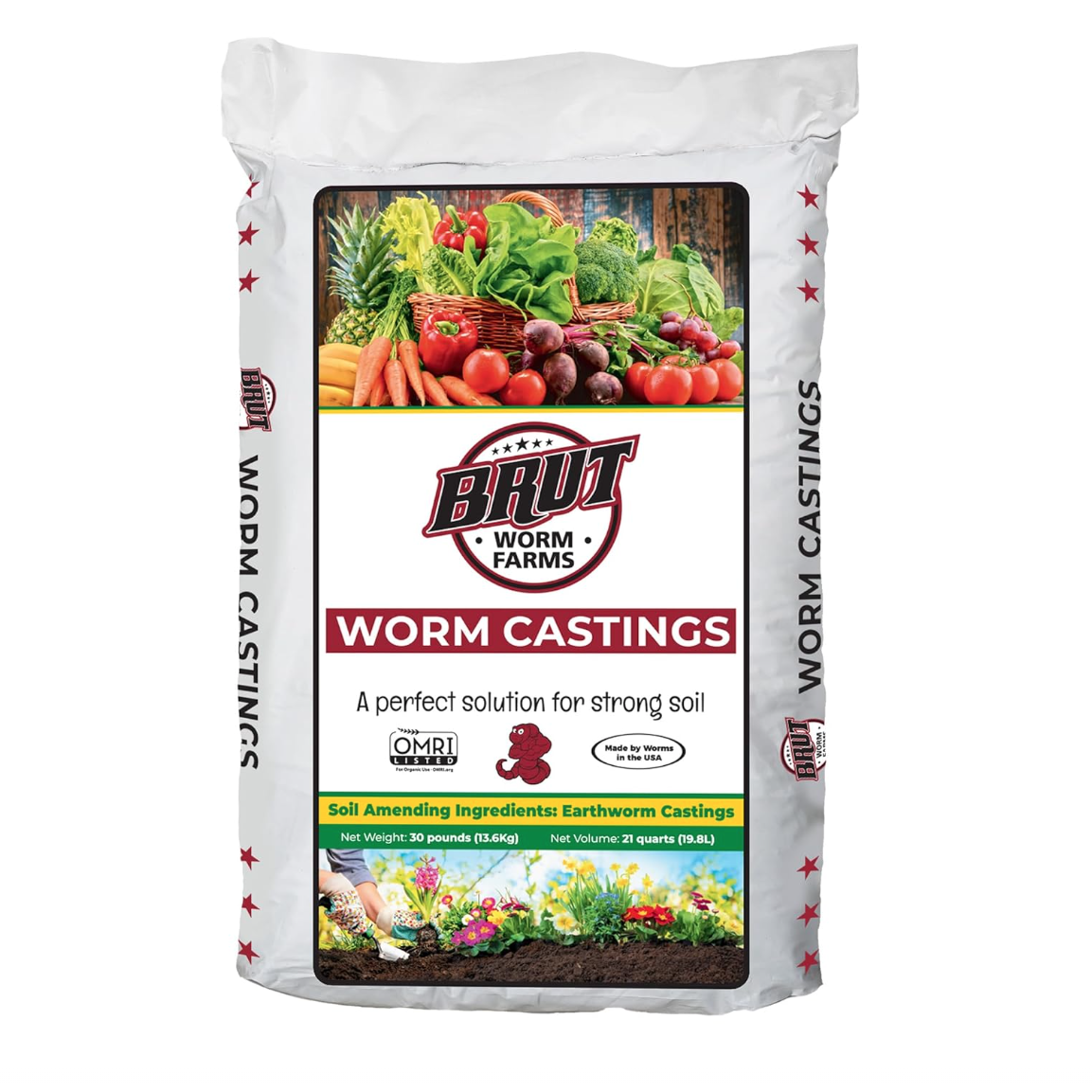
Make sure your pot has holes in the bottom. Only water when the top of the soil feels dry. Mixing in worm castings helps keep the soil healthy.

What are these tiny bugs on the leaves?

Why It's Happening:

Aphids love the soft, sweet leaves of spinach. They are very common in crowded city gardens and balconies.

How to Fix It:

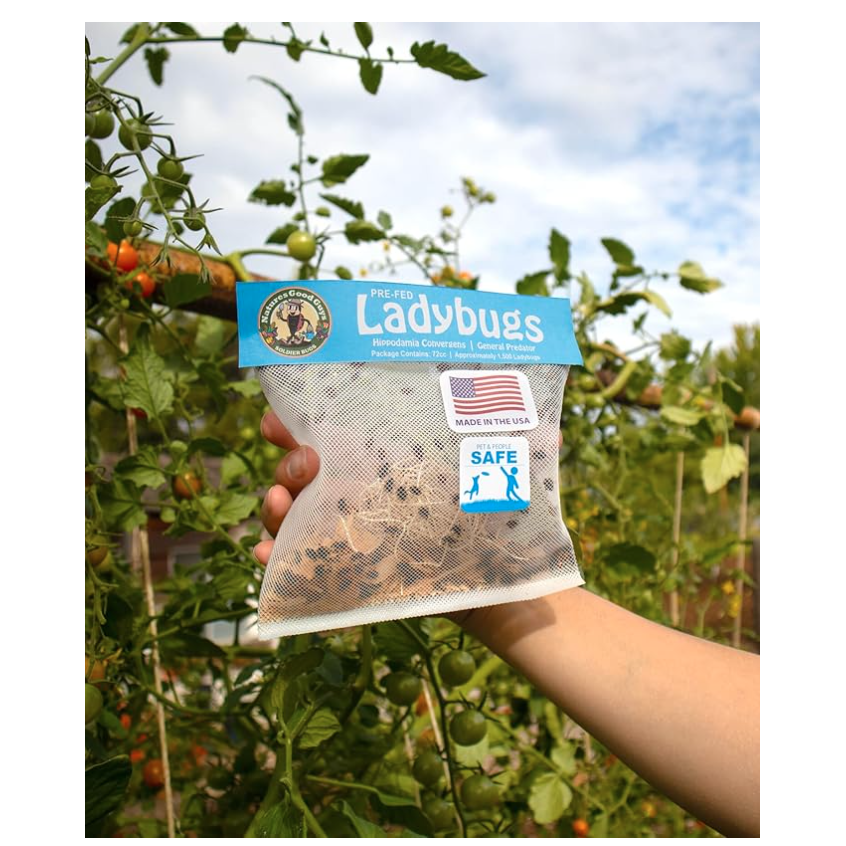
You can buy ladybugs to release on your spinach to eat the aphids. You can also wash the bugs off with a gentle spray of water in your sink.

Why is there gray fuzz on the leaves?

Why It's Happening:

This is Downy Mildew. It happens because city air stays wet and does not move well between tall buildings.

How to Fix It:

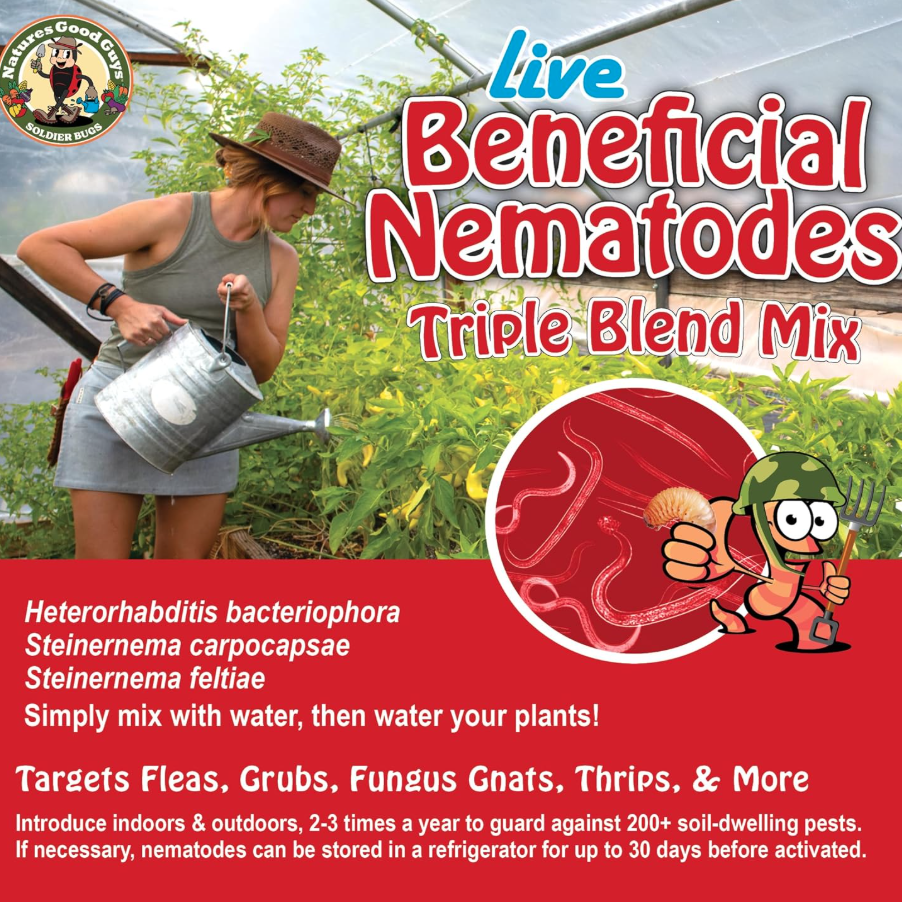
Space your plants out so air can move. Pour water on the soil, not the leaves. Use beneficial nematodes to keep the roots strong.

Grows Together With (Companion Planting)

Health & Nutrition Spotlight

Spinach is a top source of plant-based iron and magnesium, which are essential for energy production and muscle function.

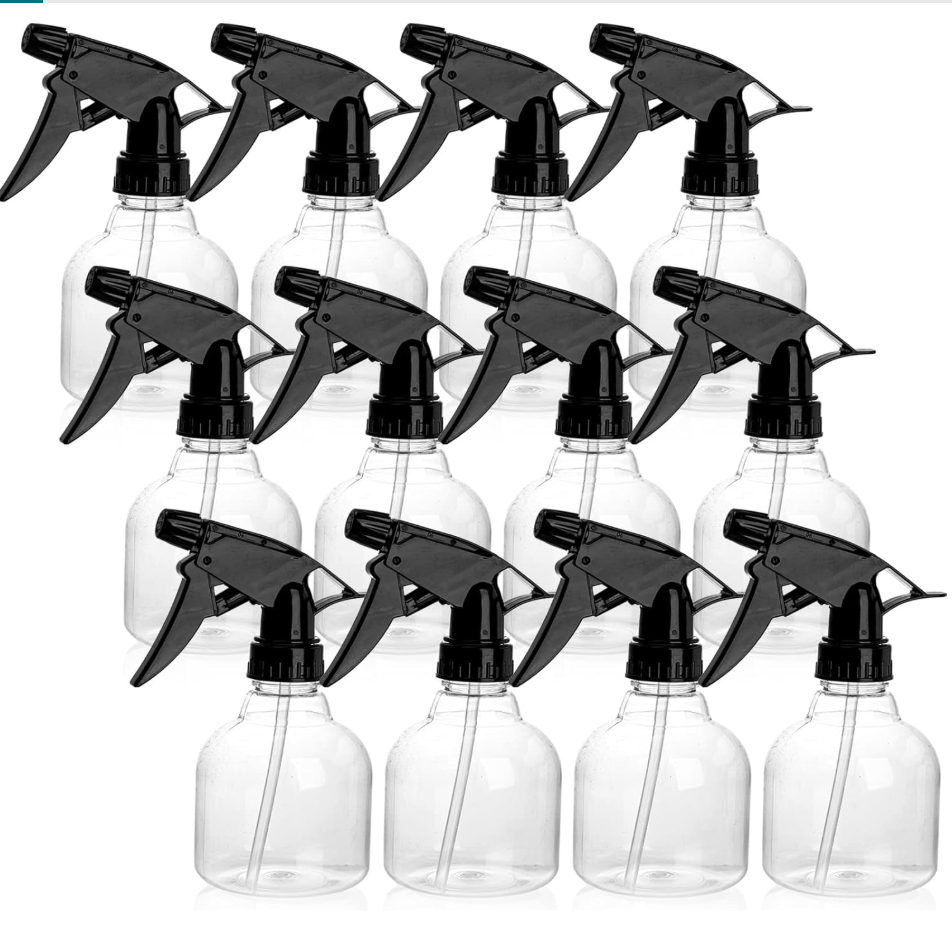
Curated Gear For Growing

Still have questions?

I'm here to help!