



How to Grow Colorful, Edible Bachelor Buttons in NYC

Small bouquet of blue bachelor buttons (cornflowers) grown on a New York City balcony garden.

Where it Fits in NYC

List all icons of attributes directly under header image above like: container sizes, indoor/outdoor, hydroponic, spaces, click here to get seeds, difficulty, pollinator, cool/warm weather, perennial/annual, best month to plant, best month to harvest, etc.

Why I Grow It

Bachelor Buttons are a staple in my garden because they are so low-maintenance. They perform well in containers and don't require perfect, high-end soil to look great. Their upright growth habit is a huge plus for tucking them into a planter with other crops. I can plant them right next to my arugula or lettuce without the flowers overcrowding.  I love seeing those bright splashes of color throughout the season. It’s an easy way to harvest edible petals and keep the garden looking vibrant all summer long.

get your seeds now

Growth Essentials

Light

Indoors: Not suitable for indoor growing; best grown outdoors in pots or planters.

Outdoors: Bachelor buttons require 6-8 hours of direct sunlight daily

Water

Water regularly to keep soil evenly moist, especially during hot weather. Mulching helps retain moisture.

Temperature

Bachelor buttons are a cool weather crop and thrive in 60-75°F, ideally 65-70°F. Plant outdoors in early spring in NYC zone 7b. Cool weather encourages vibrant blooms.

Containers

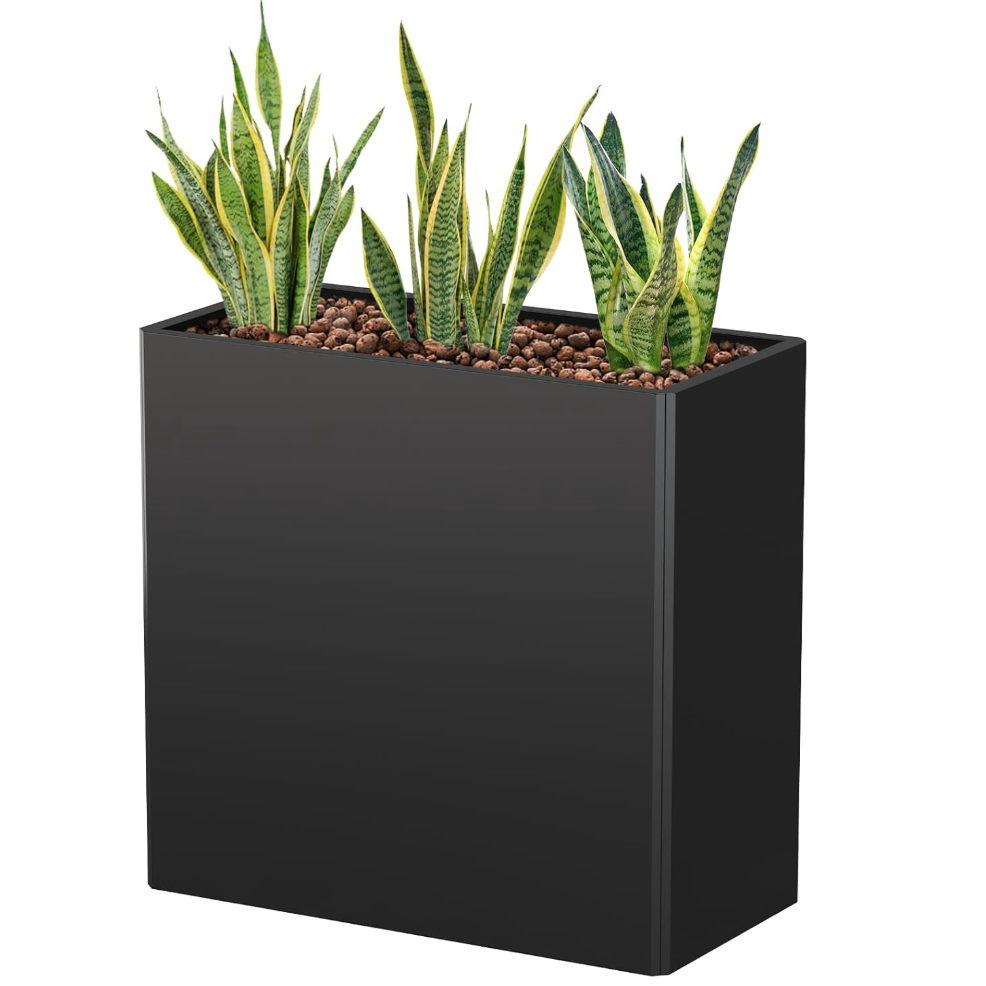
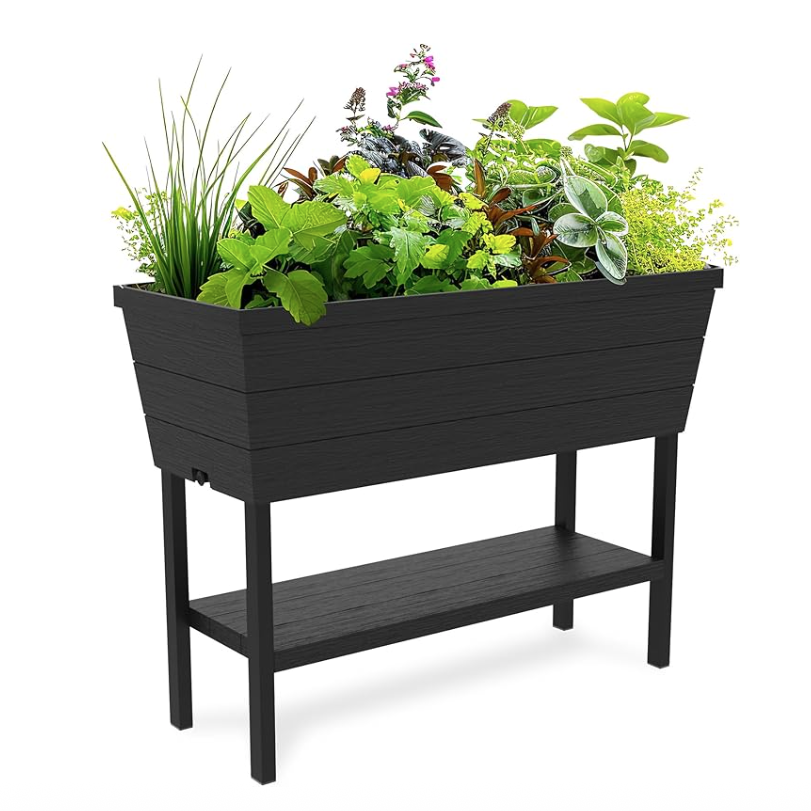
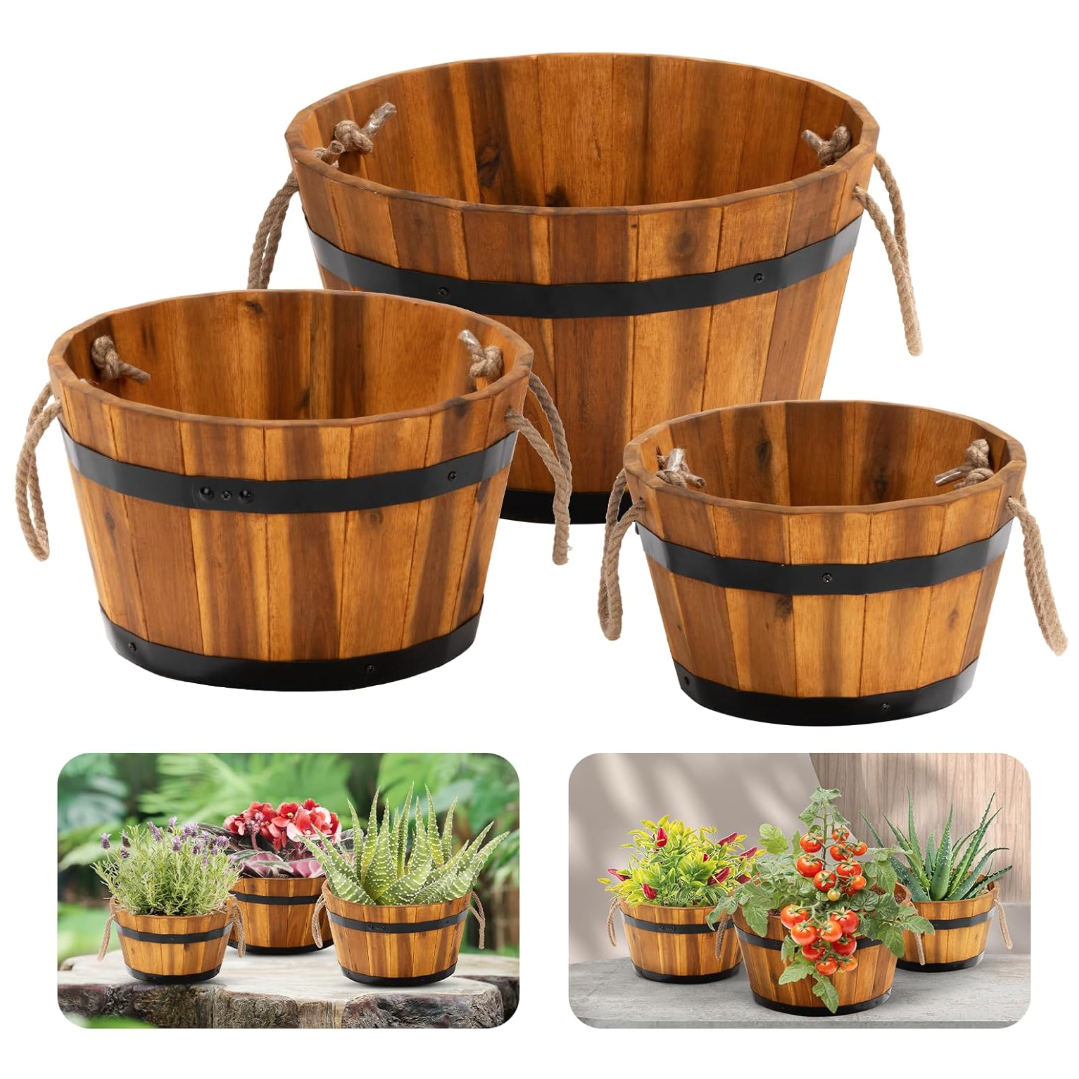
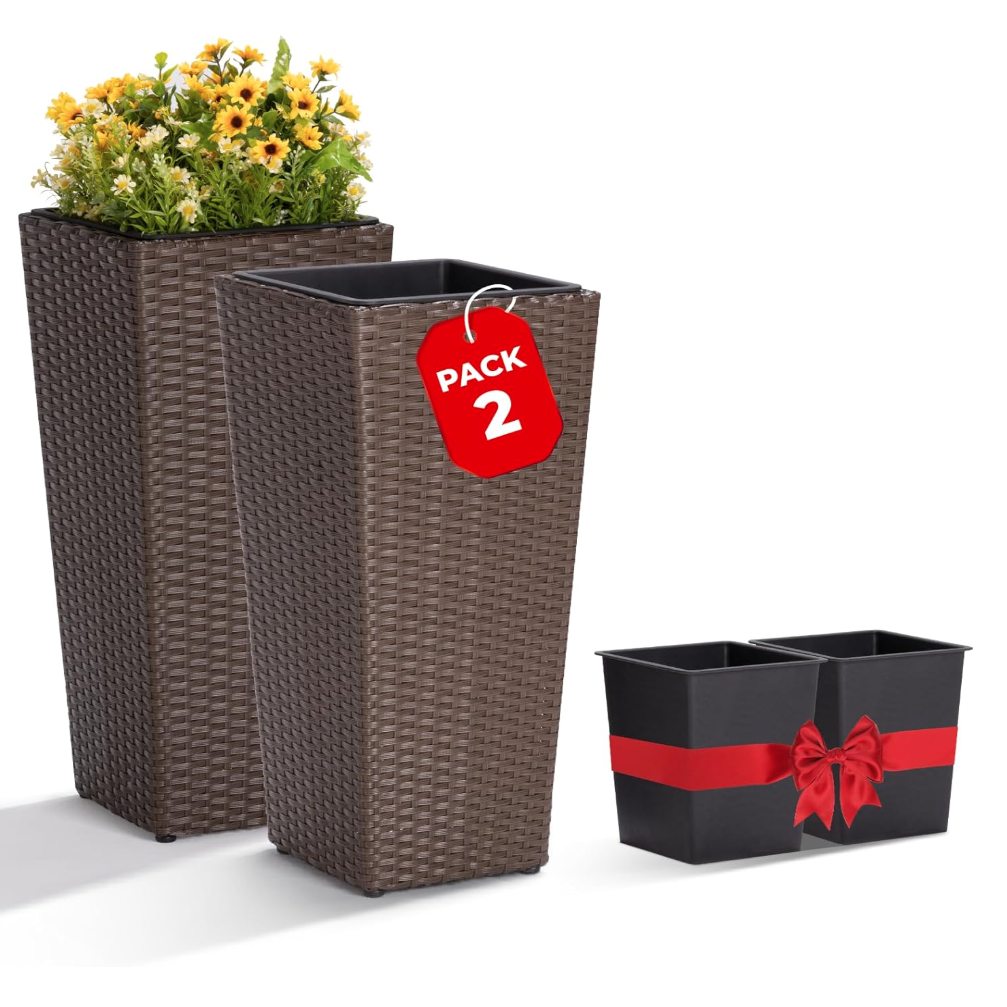
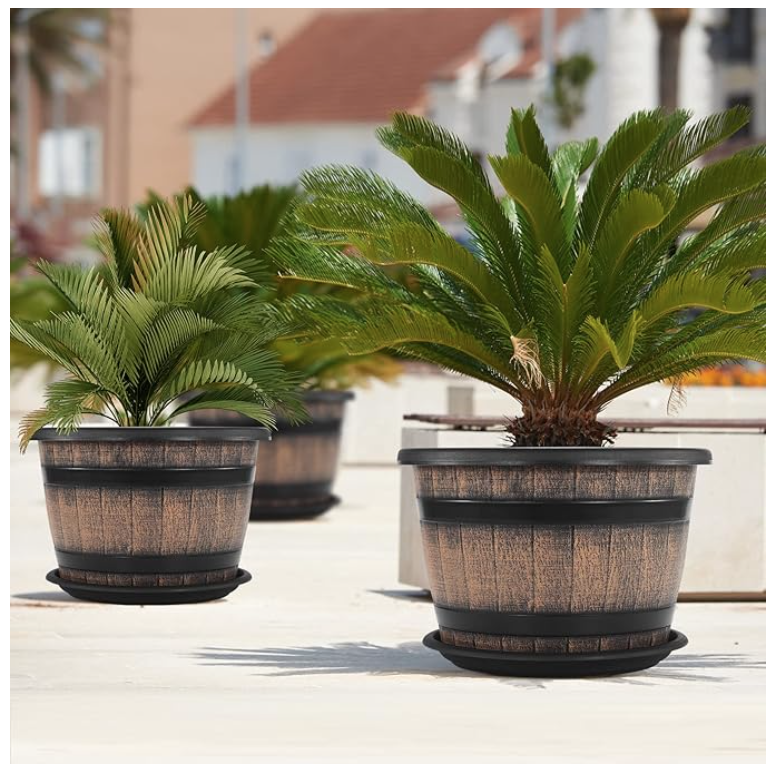
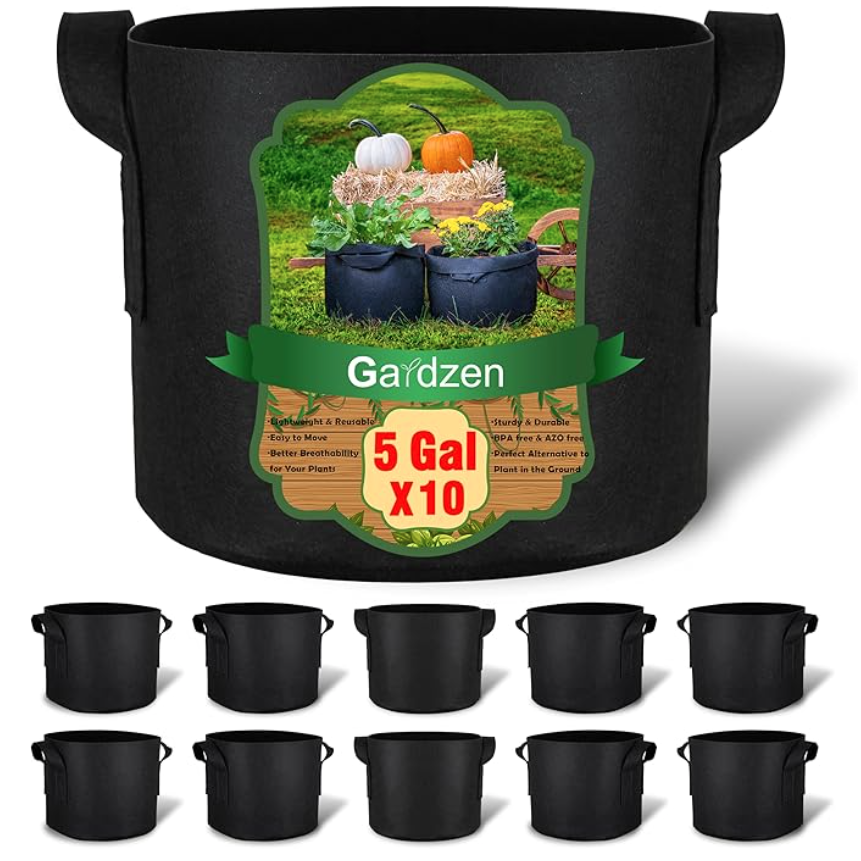
Outdoor Planting Only: 8-10" wide, 8-10" deep, 2-3 gallons

Soil

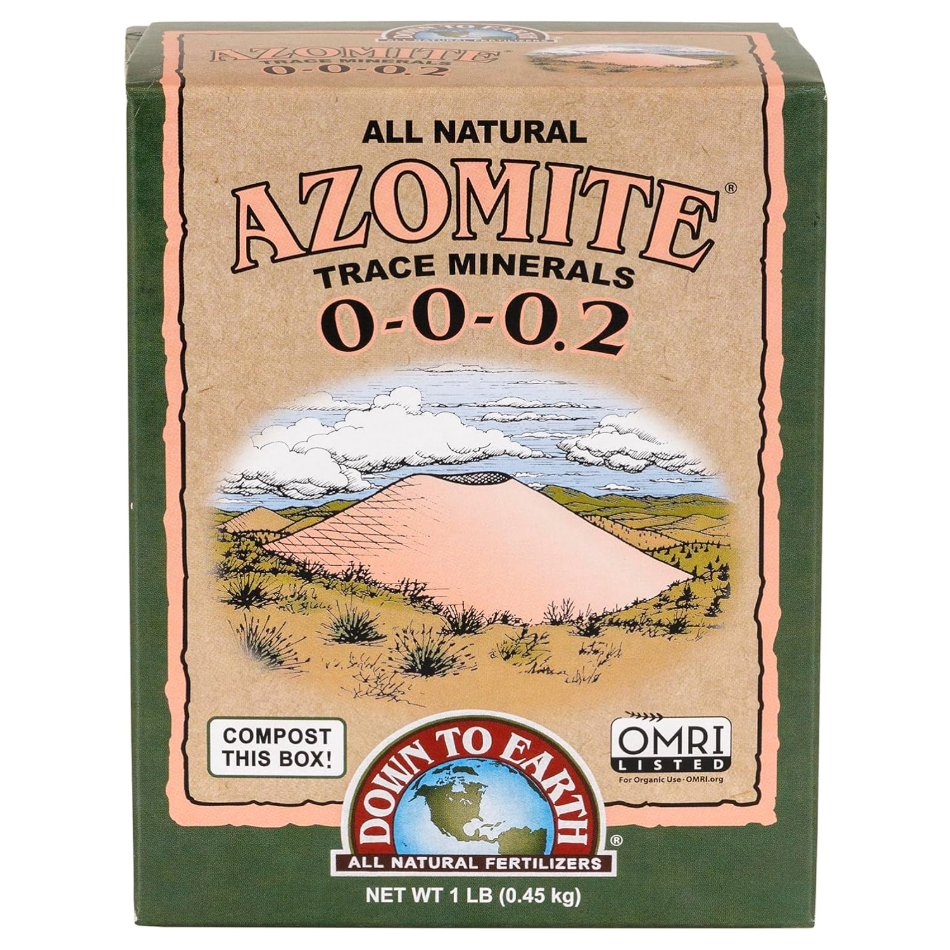
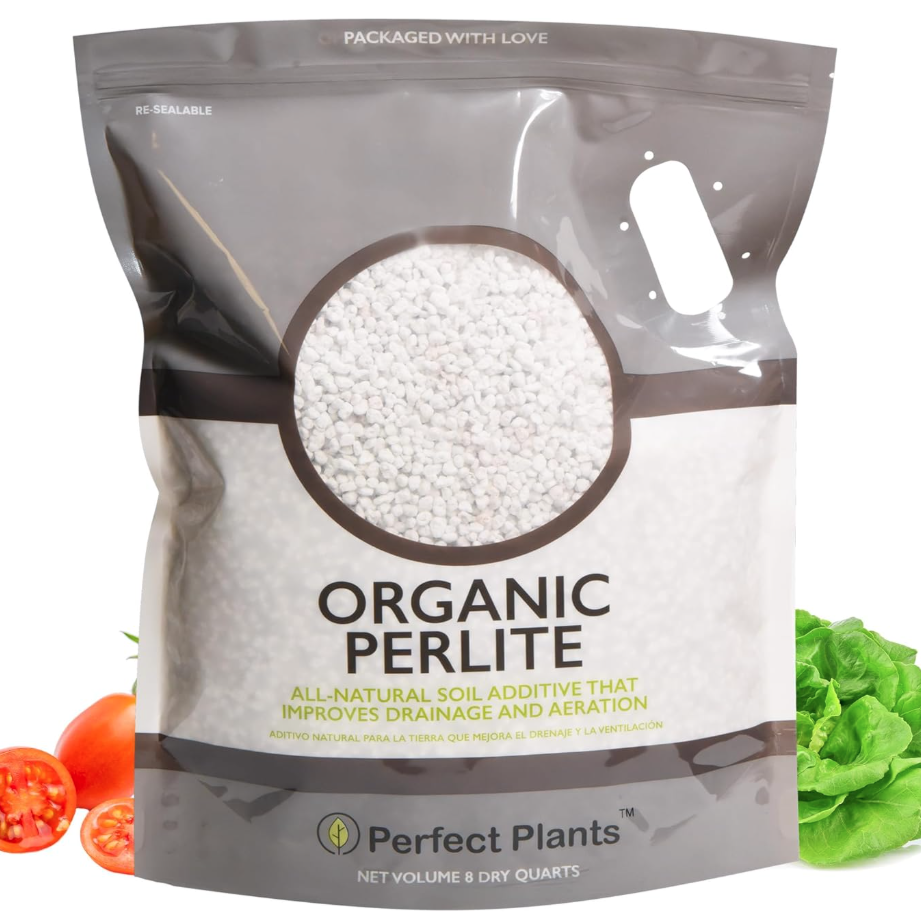
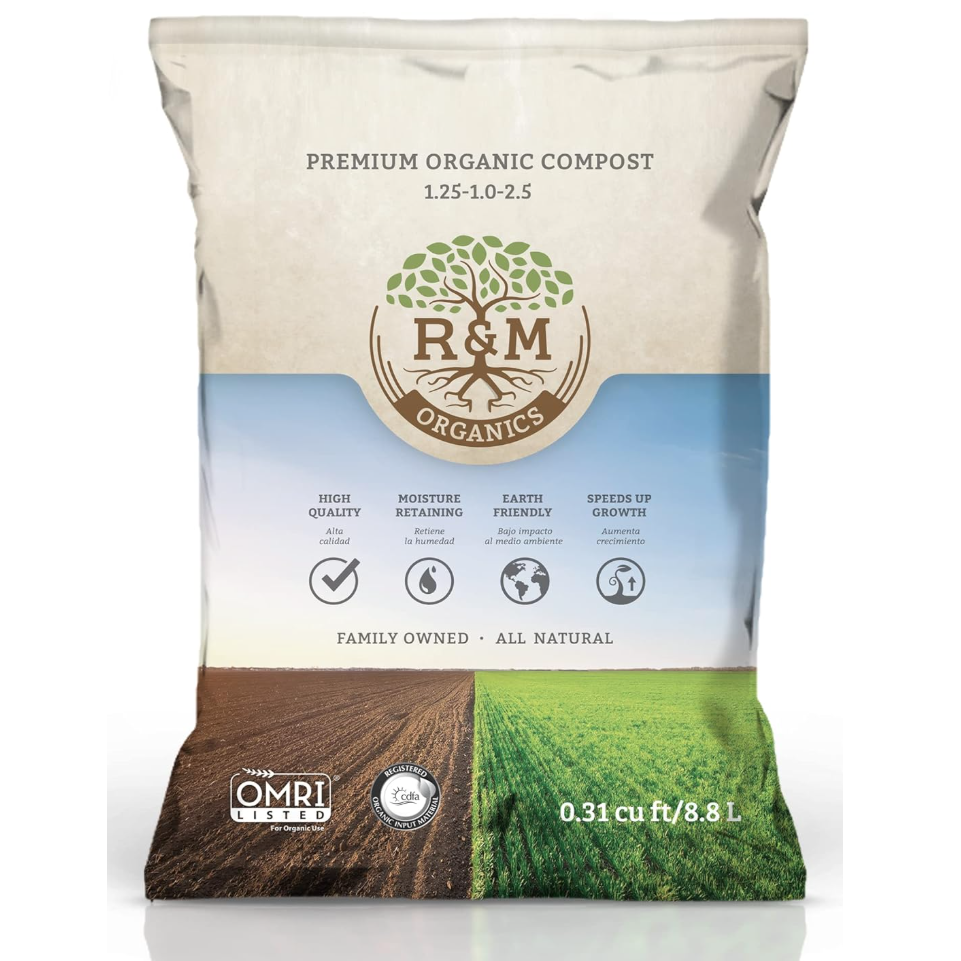
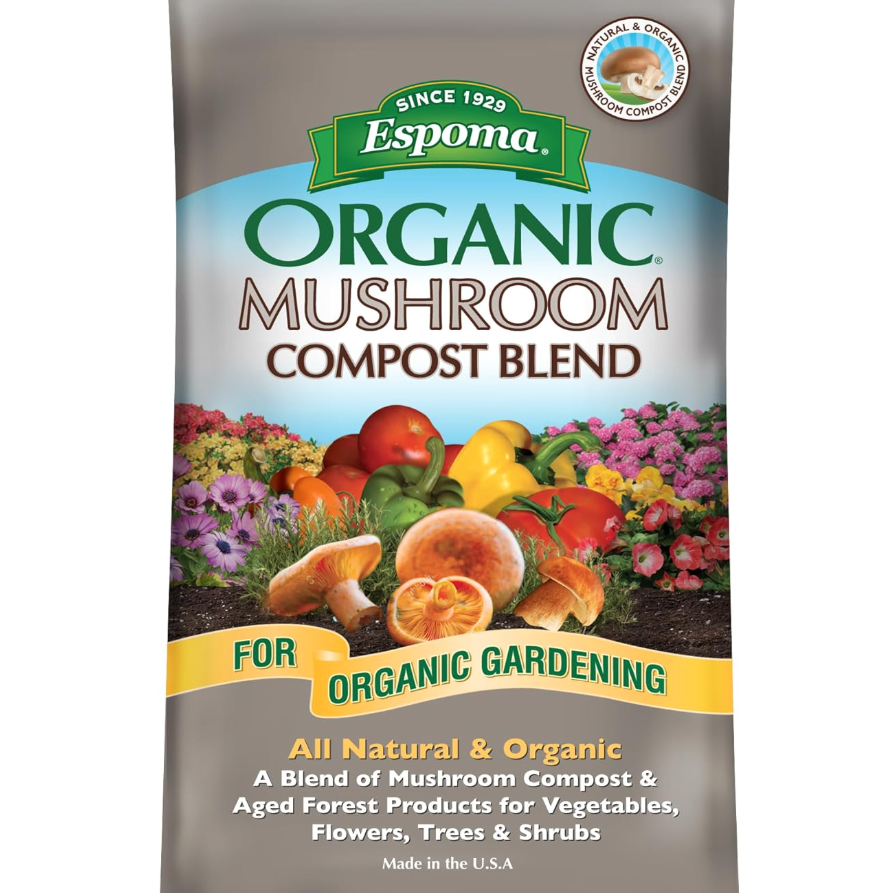
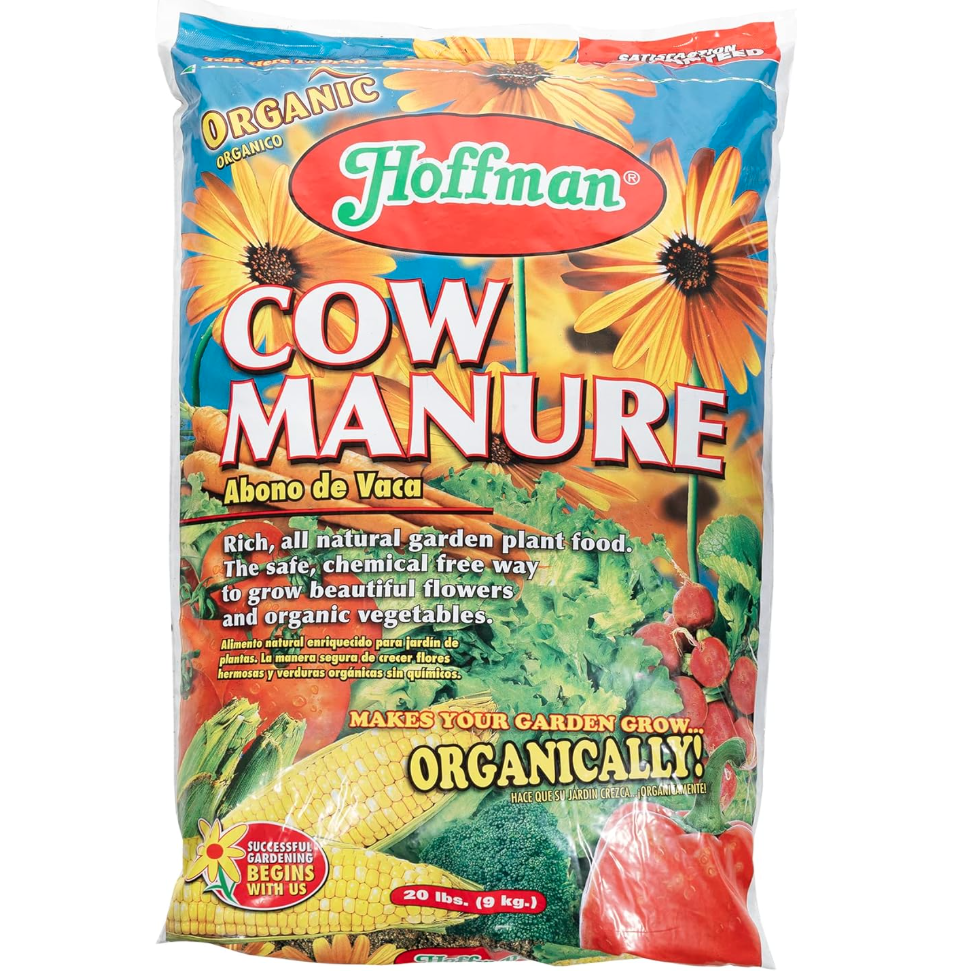
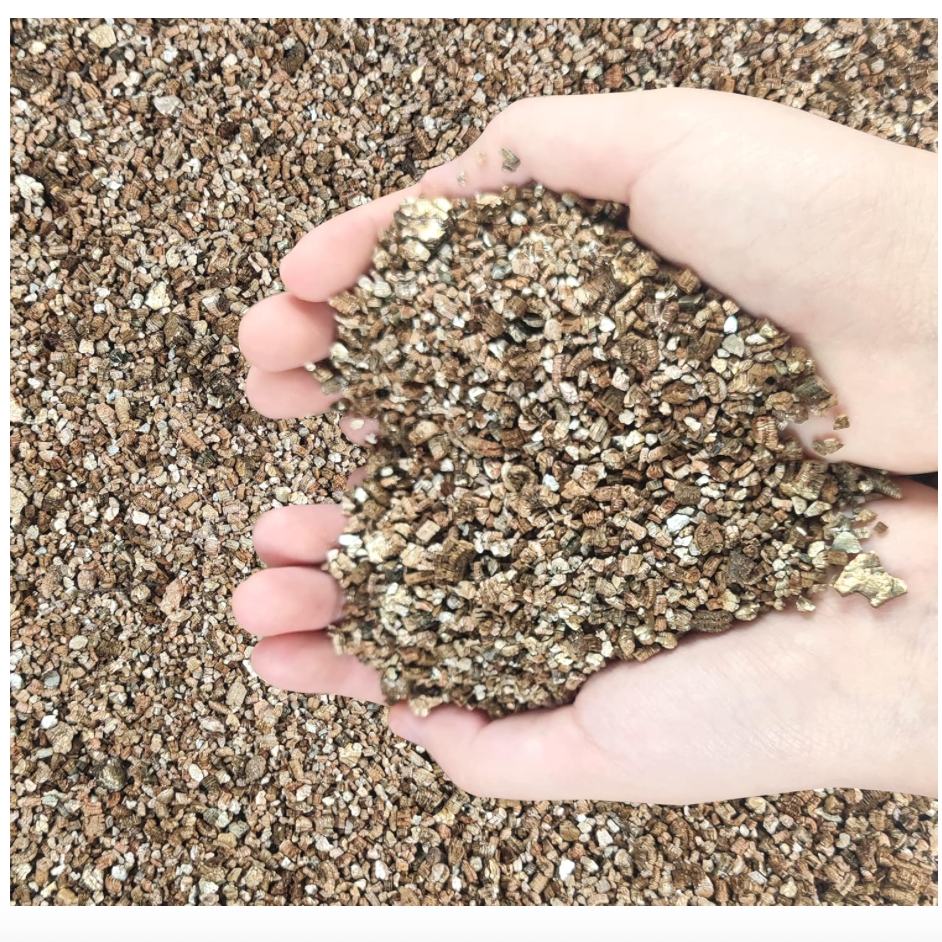
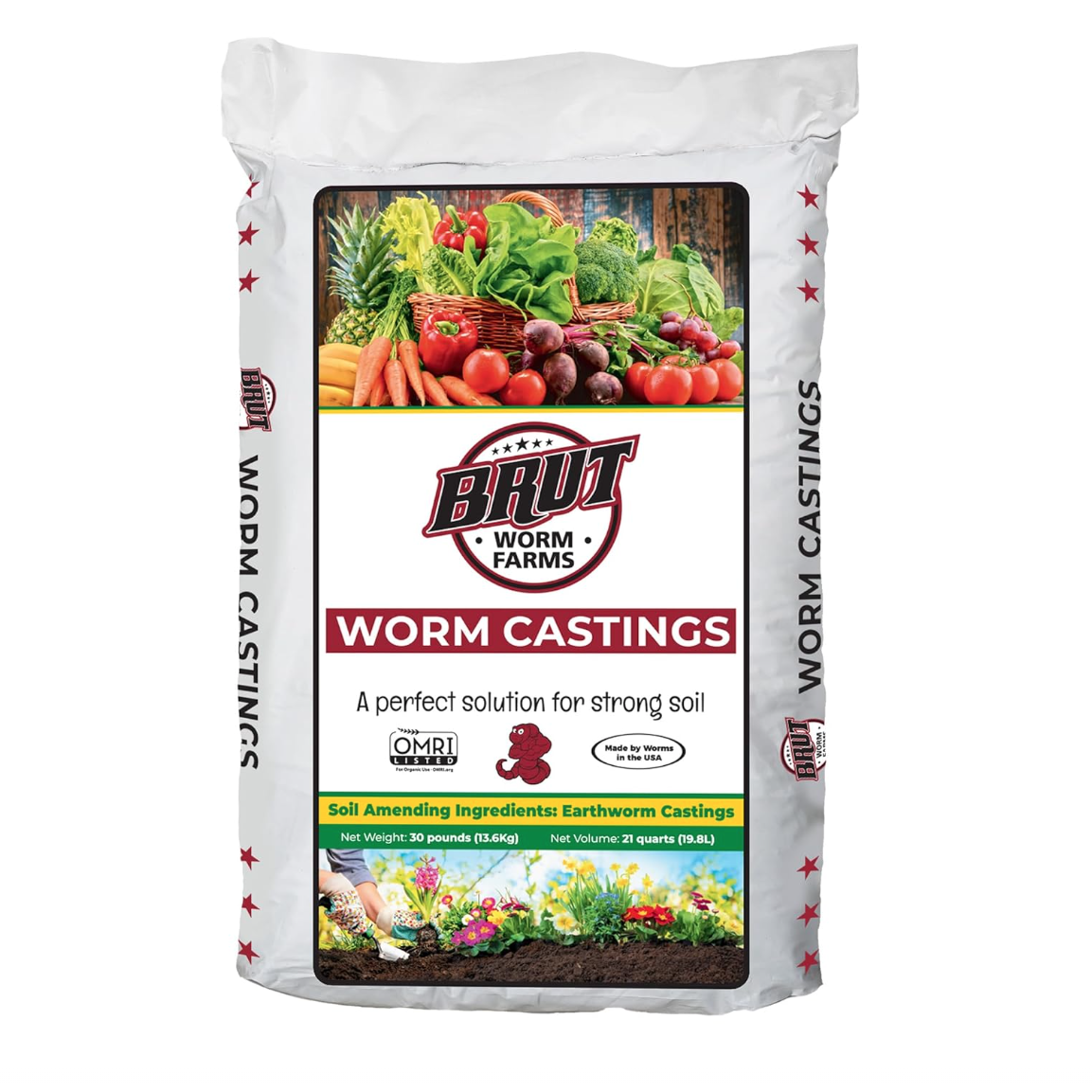
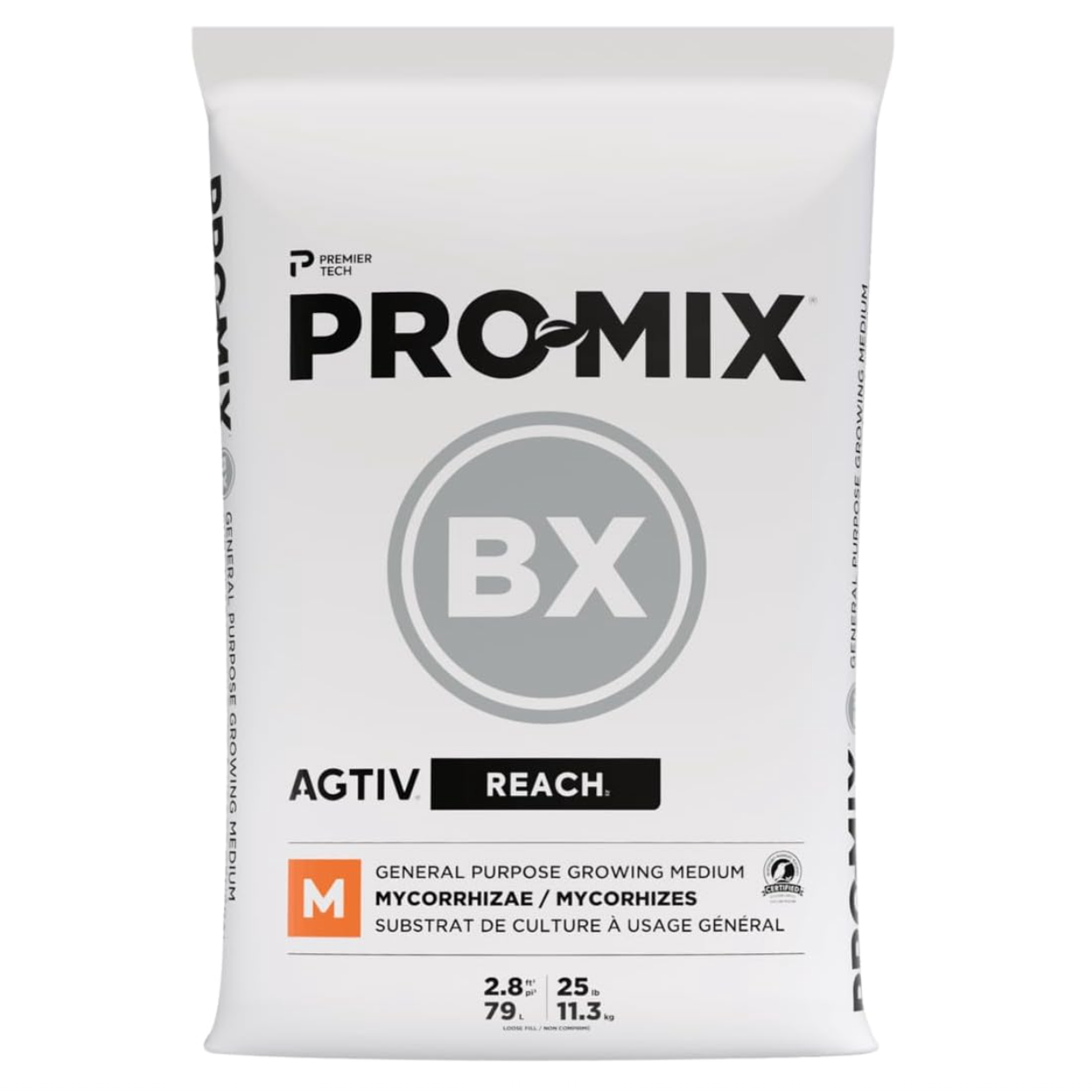
Bachelor buttons thrive in well-draining potting mix with compost and/or worm castings.

Fertilizer

Use balanced, water-soluble fertilizer 10-10-10 every 4-6 weeks.

Organic Options: compost, fish emulsion, bone meal. Moderate feeding supports continuous flowering.

Harvesting Tips

Harvest flowers regularly to encourage more blooms. Regular picking promotes continuous flowering, ensuring a supply of colorful, edible blooms.

Harvest Time

Moderate: 10-12 Weeks

Hands cupping fresh blue bachelor buttons, also known as edible cornflowers, grown in a New York City garden.
Small bouquet of blue bachelor buttons (cornflowers) grown on a New York City balcony garden.

Common Growing Issues

Why is my plant wilting?

Why It's Happening:

Bachelor's buttons are drought-tolerant, but the heat reflecting off NYC brick and glass can bake a pot's soil faster than the plant can drink.

How to Fix It:

Water deeply in the morning. If the soil is bone dry, give it a soak. Adding a layer of compost on top of the soil helps keep the roots cool in the city heat.

What are these tiny bugs on the stems?

Why It's Happening:

Aphids love the slender stems of these flowers. They thrive in the warm, stagnant air found on many NYC balconies and windowsills.

How to Fix It:

Buy ladybugs to release on your plants to eat the aphids! You can also wash them off with a spray of water or use a mild soapy water mix.

Why is it growing so slowly?

Why It's Happening:

In the city, container-grown flowers quickly use up the limited nutrients in their potting mix, leading to stunted growth.

How to Fix It:

Use a balanced 10-10-10 plant food once a month. Mixing in worm castings when planting gives them a steady vitamin boost to reach full height.

Why are the leaves turning yellow?

Why It's Happening:

This usually means the roots are staying too wet. NYC humidity prevents soil from drying out, especially in pots without enough holes.

How to Fix It:

Ensure your pot has excellent drainage. Only water when the top inch of soil feels dry. Adding worm castings helps keep the soil airy and healthy.

Why is there white powder on the leaves?

Why It's Happening:

This is Powdery Mildew. It happens because city air often gets "trapped" between tall buildings and doesn't circulate well.

How to Fix It:

Space your plants out so air can flow around them. Avoid getting water on the leaves. Use beneficial nematodes in the soil to help the plant's overall immune system.

Grows Together With (Companion Planting)

Health & Nutrition Spotlight

Bachelor buttons, edible flowers, contain anti-inflammatory flavonoids and can be used in teas to help soothe digestion and boost the immune system.

Curated Gear For Growing

Still have questions?

I'm here to help!