





Unleash Your Culinary Creativity with Microgreens. Easy to Grow!

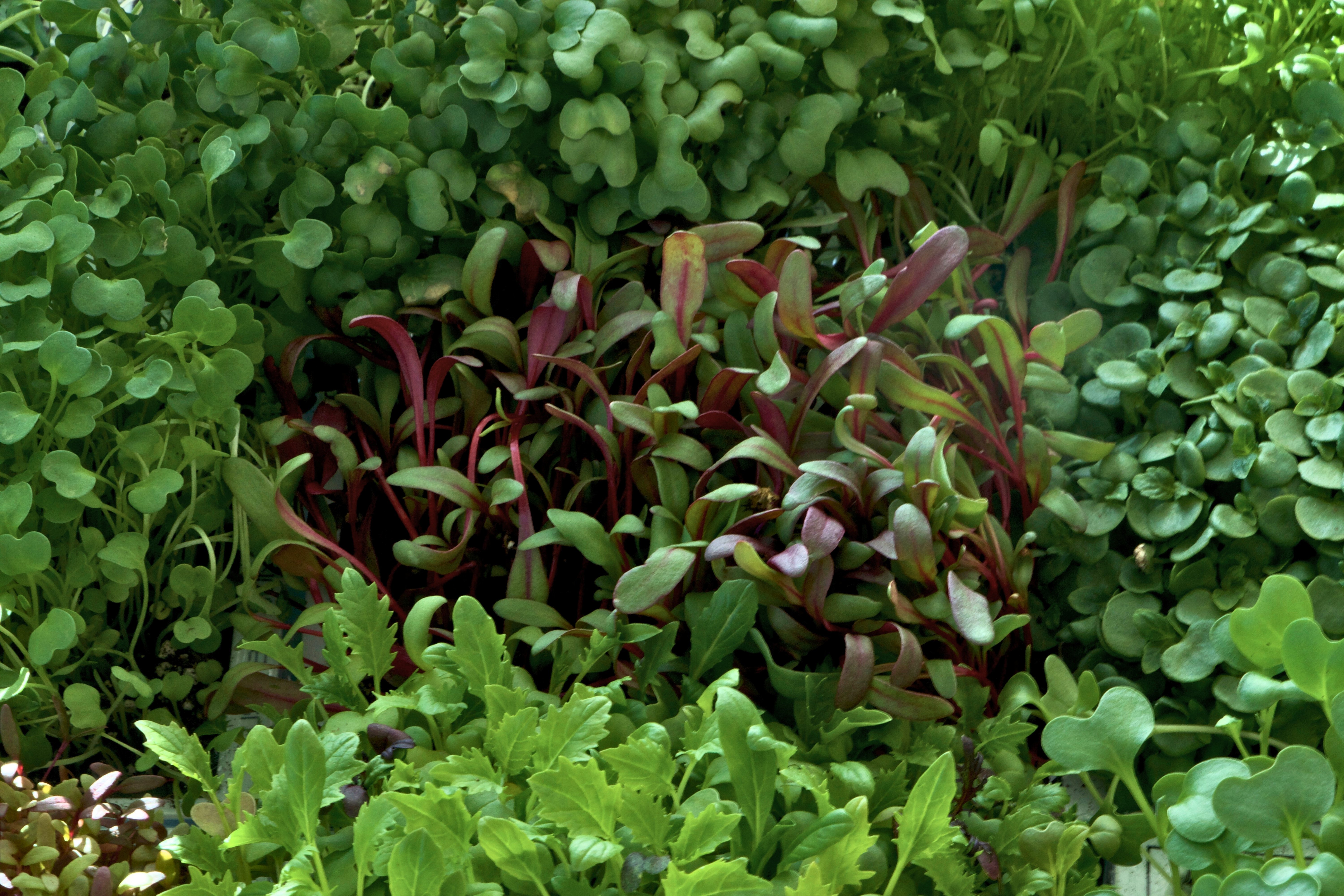
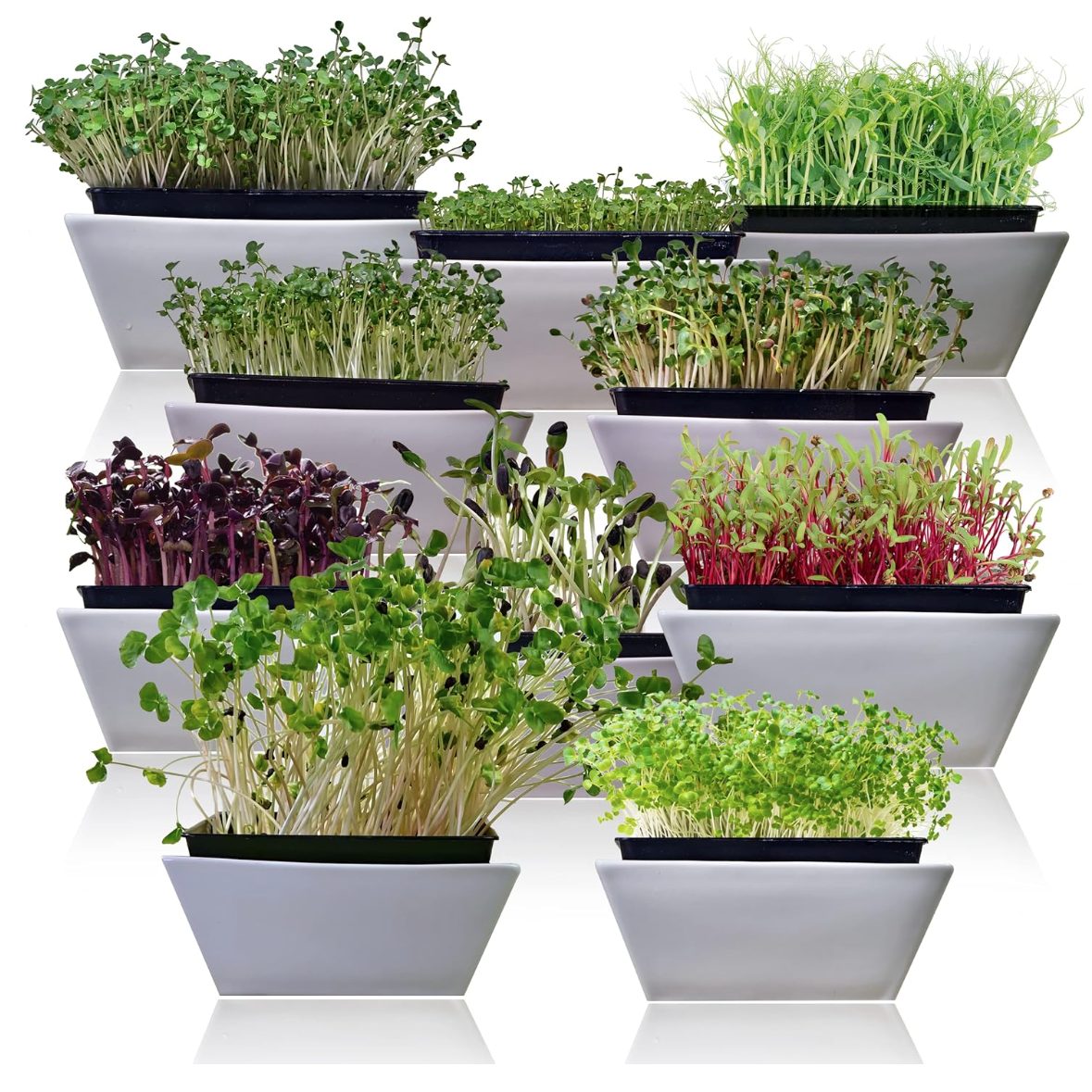
Close-up of mixed microgreens varieties growing together

Where it Fits in NYC

List all icons of attributes directly under header image above like: container sizes, indoor/outdoor, hydroponic, spaces, click here to get seeds, difficulty, pollinator, cool/warm weather, perennial/annual, best month to plant, best month to harvest, etc.

Why I Grow It

I grow microgreens because they are efficient and my go to during the winter months. They provide a massive return on investment, especially since a tiny container at the store can cost a fortune. I love how they grow so quickly and they are ready to eat in in a week or two from planting. Growing microgreens in the winter scratches my itch to be gardening at all times.  It is the easiest way to keep my kitchen stocked with vibrant, healthy greens all year round.

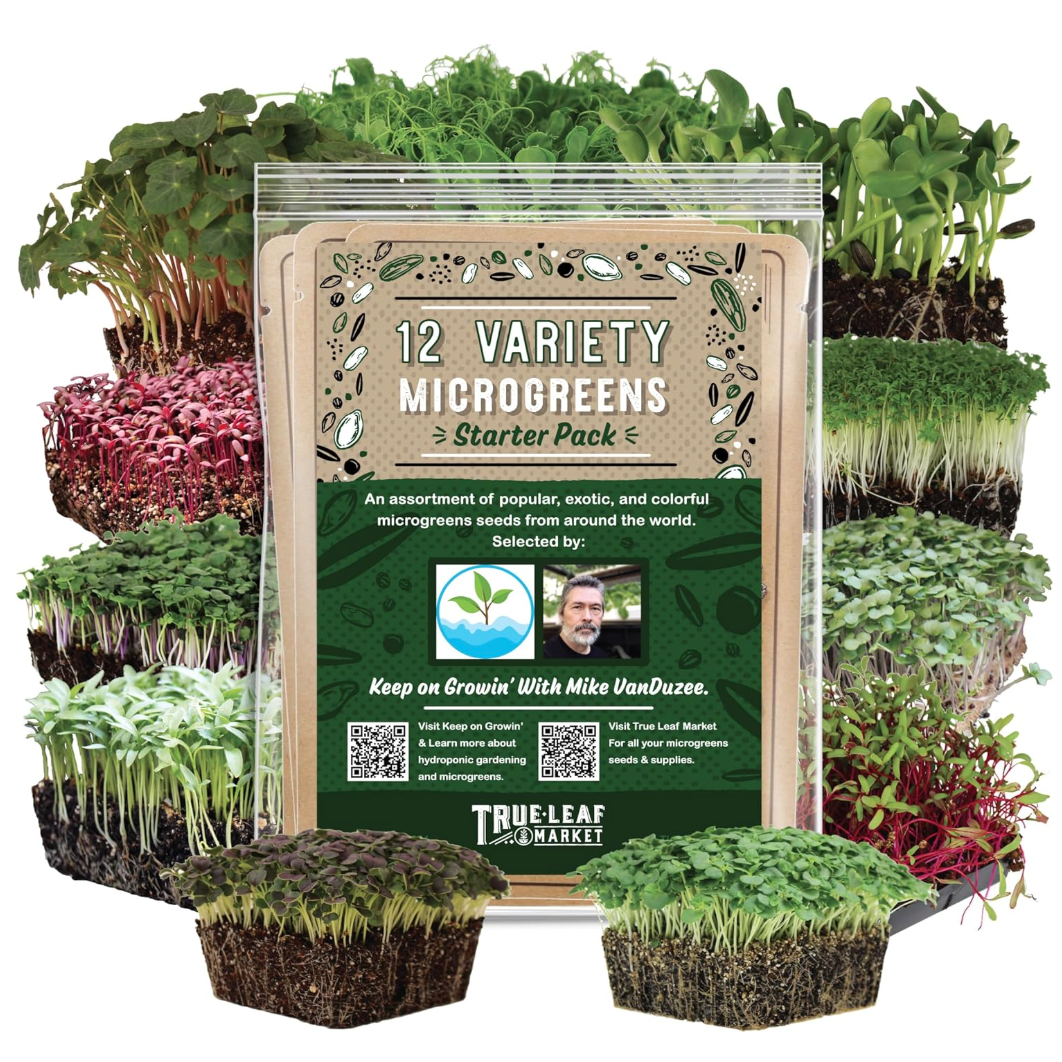
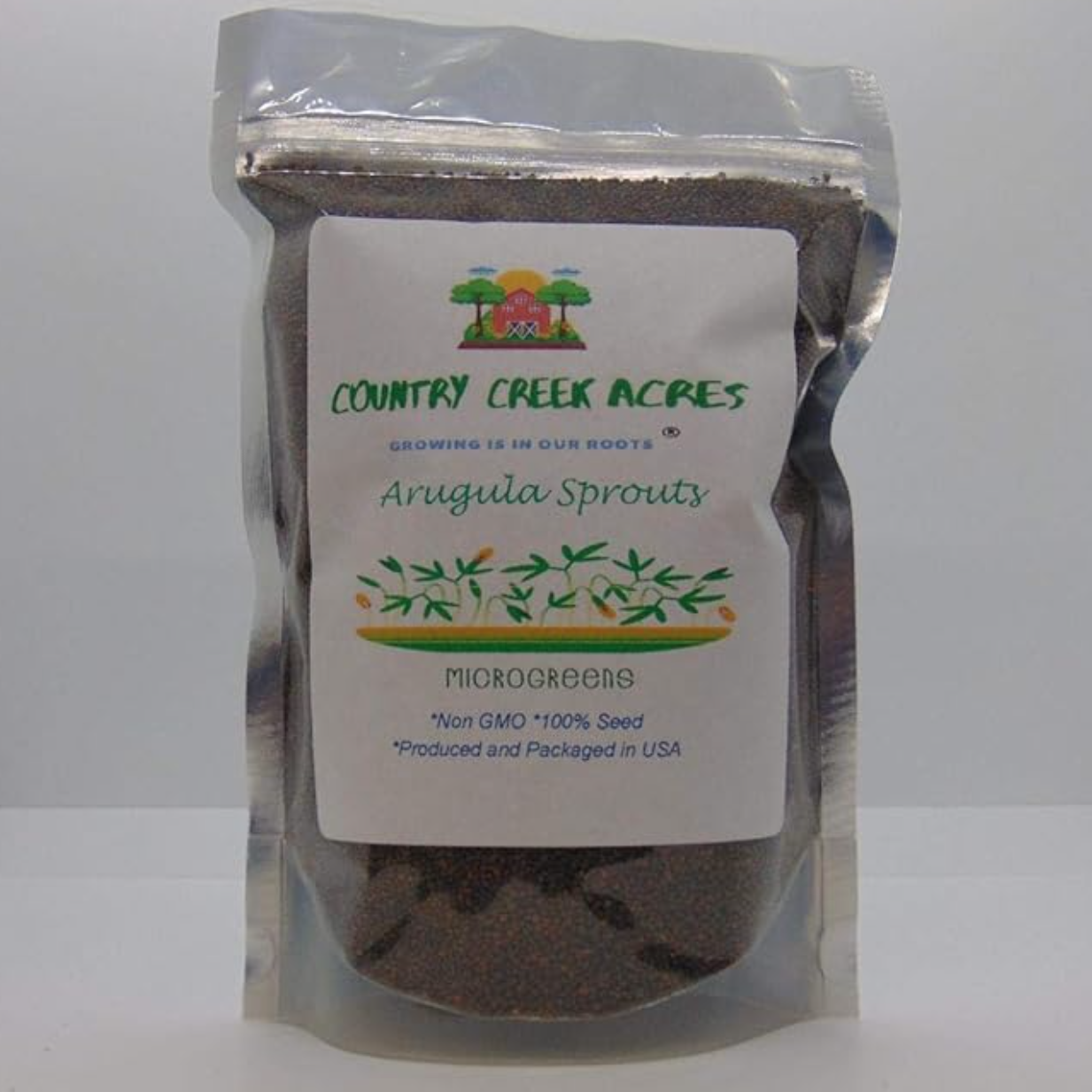
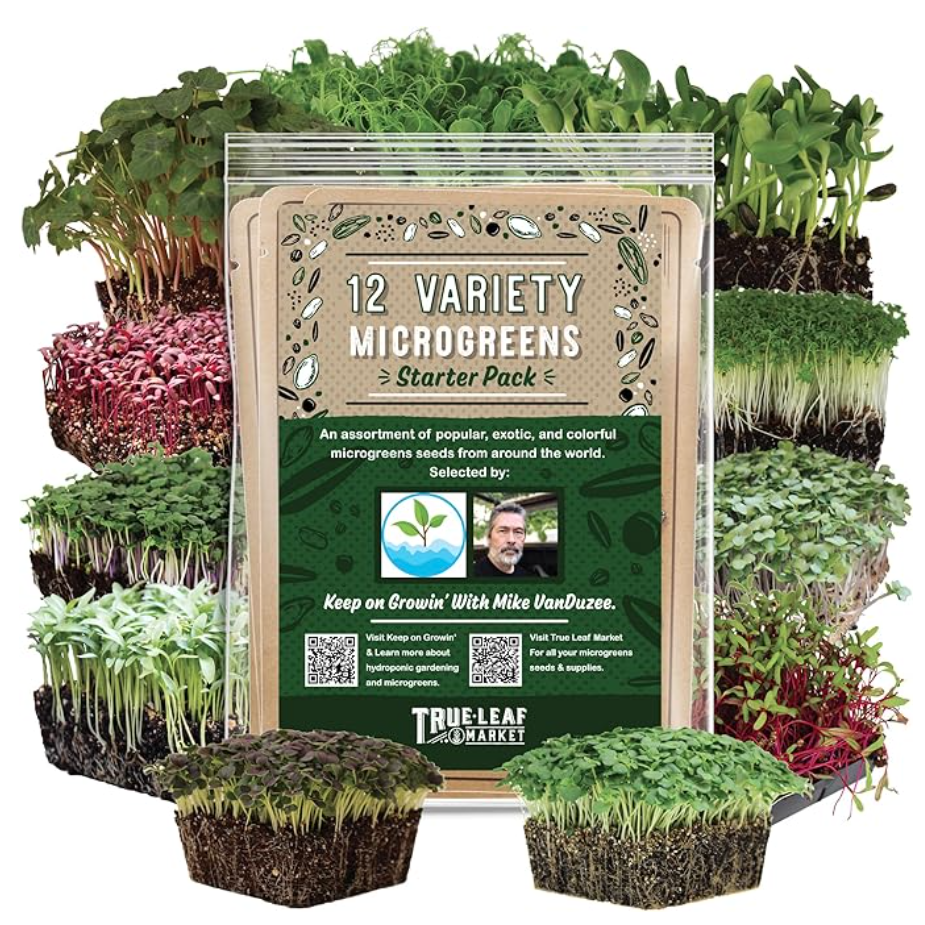
get your seeds now

Growth Essentials

Light

Micro Mint prefers 4-6 hours of direct sunlight.

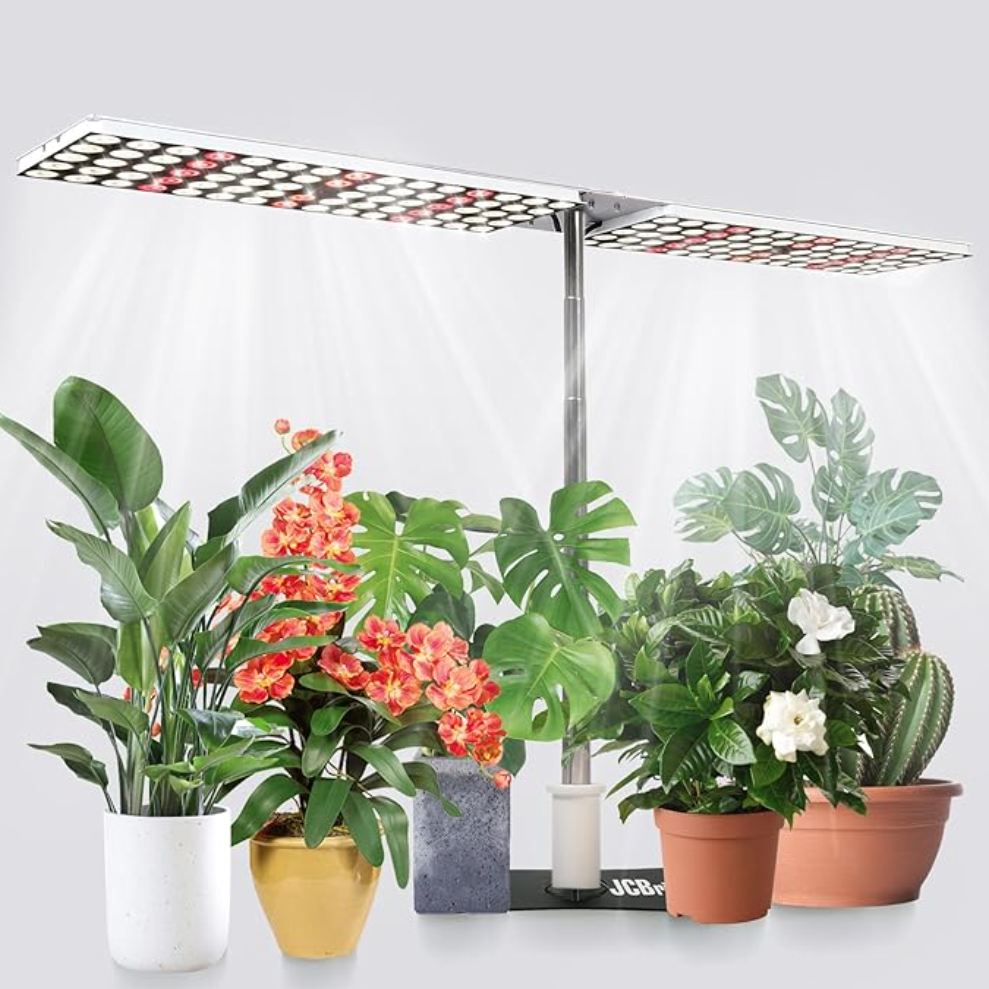
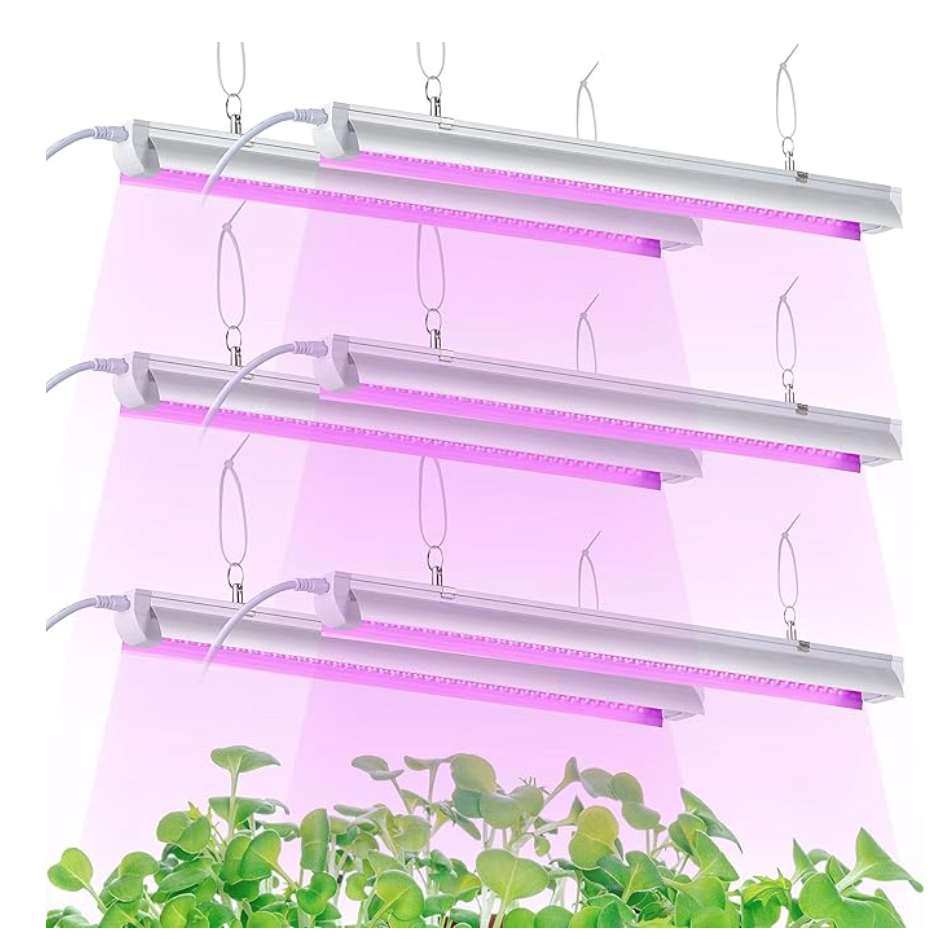
Indoors: Grow in shallow trays with bright light or hydroponically using grow lights for 10-12 hours.

Water

Mist regularly to keep the soil surface moist. Indoors, air can dry soil quickly; outdoors, mist more frequently during hot weather.

Temperature

Micro mint is a cool weather crop and thrives in 60-75°F, ideally 65-70°F. Plant year-round indoors, ensuring 65-70°F.

Containers

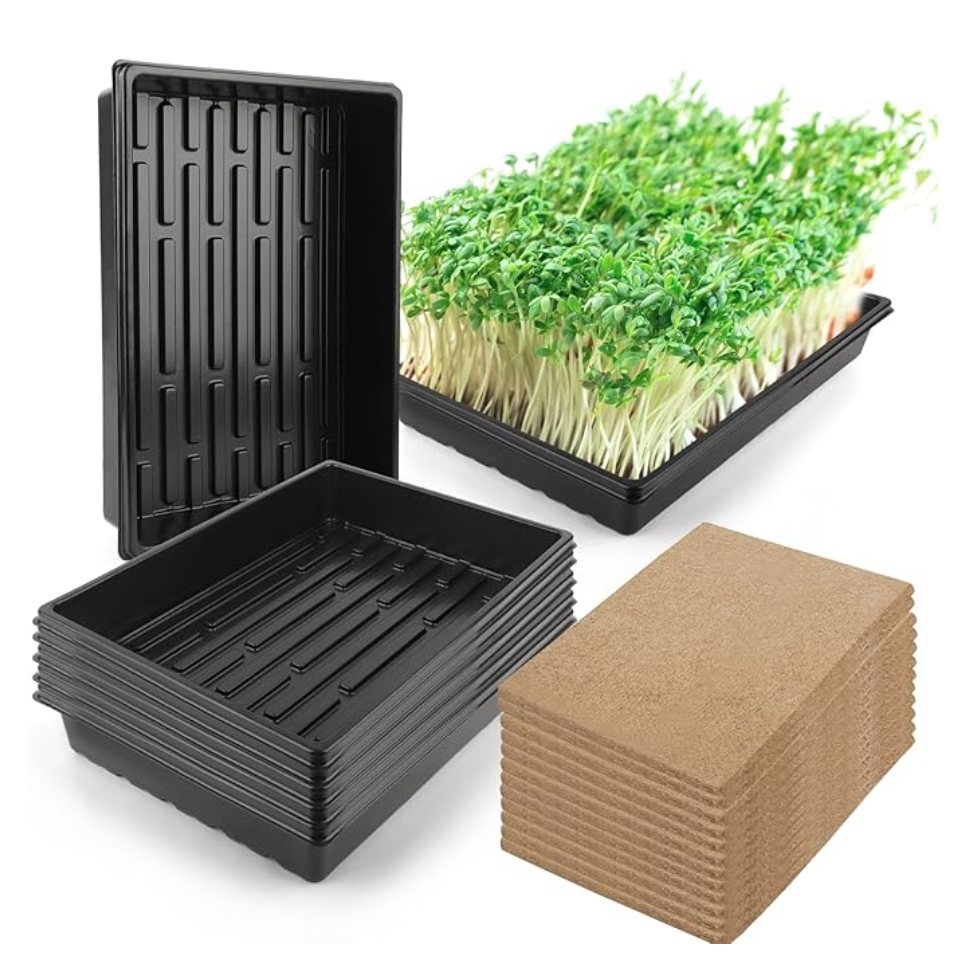
Indoors: Shallow tray, 1-2" deep.

Outdoors: 6" wide, 3-4" deep, 1 gallon

Soil

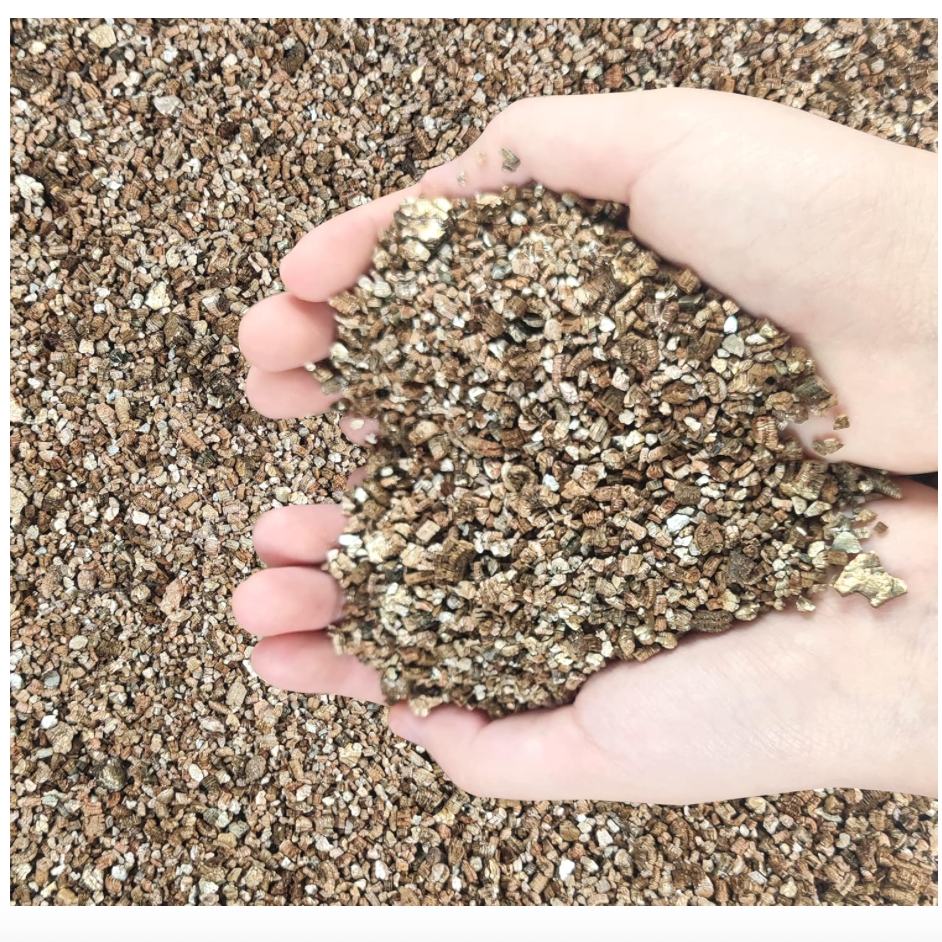
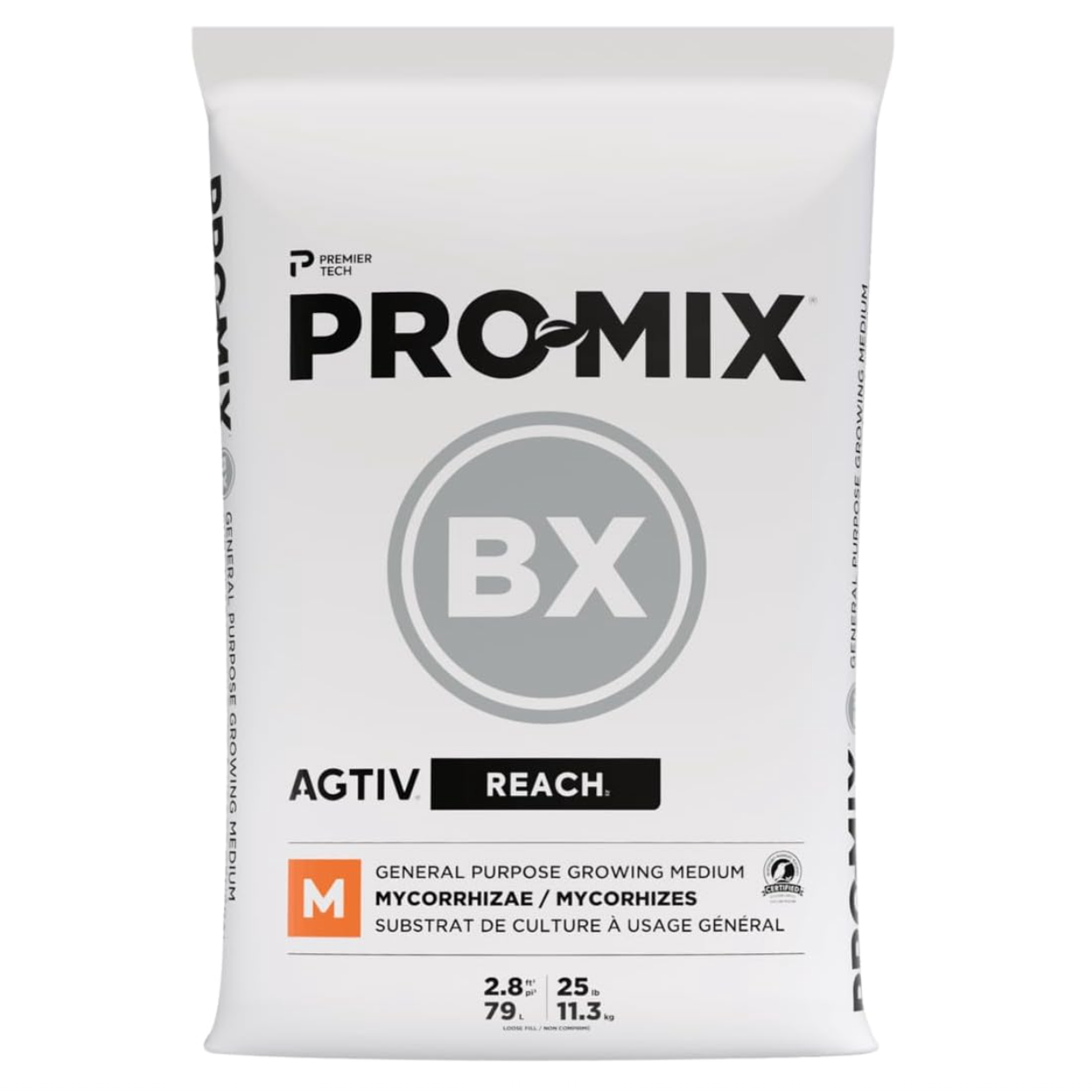
Micro mint prefers seed-starting mix or light, well-draining mix, enriched with compost from vegetable peelings or garden compost.

Fertilizer

Apply diluted balanced fertilizer (half strength) every 1-2 weeks.

Organic Options: diluted fish emulsion, seaweed extract. Consistent, light feeding supports vigorous growth.

Harvesting Tips

Harvest microgreens by cutting just above the soil line at 1-3 inches tall. Frequent harvesting ensures a continuous supply of fresh, nutrient-packed greens.

Harvest Time

Quick: 1-3 Weeks

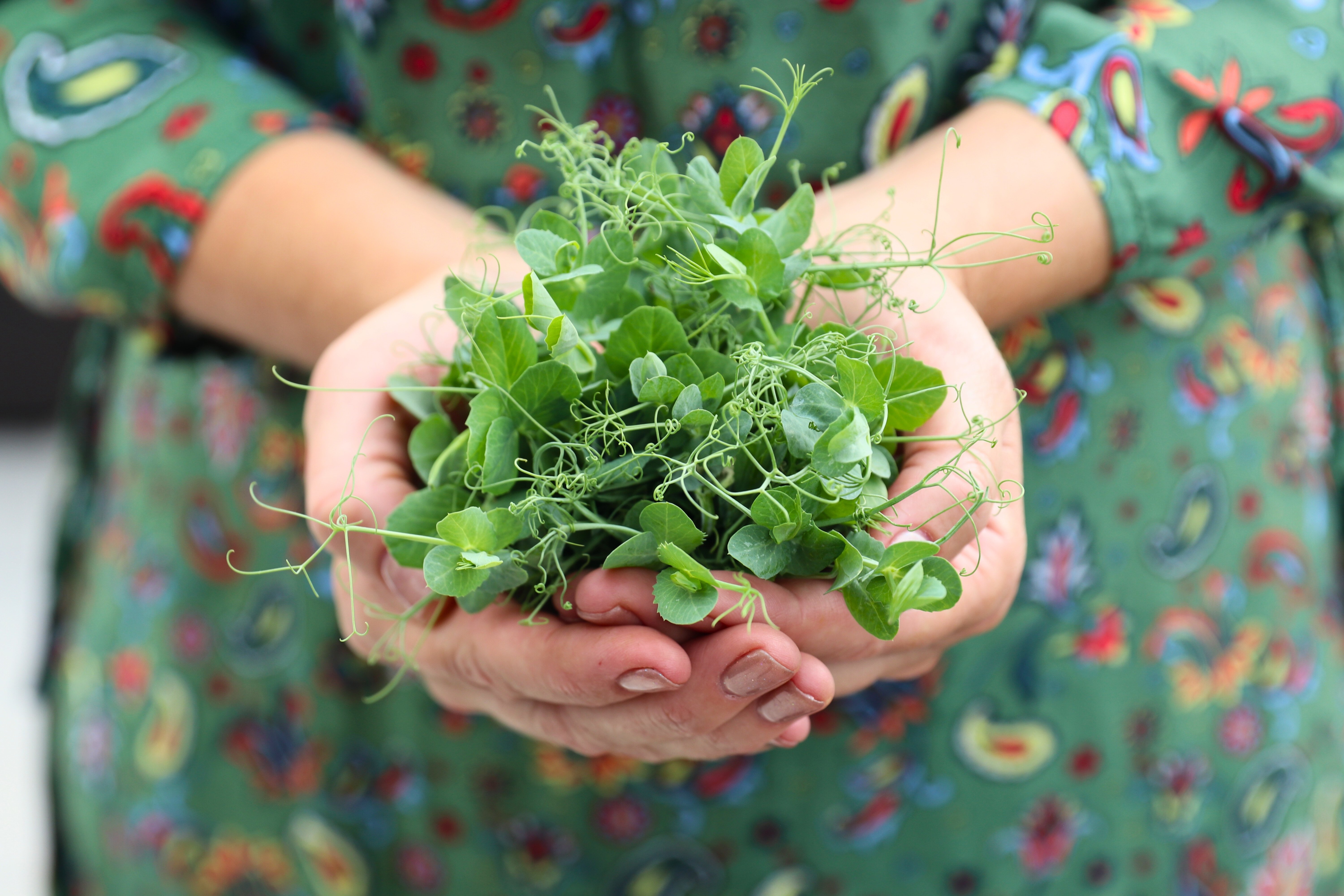
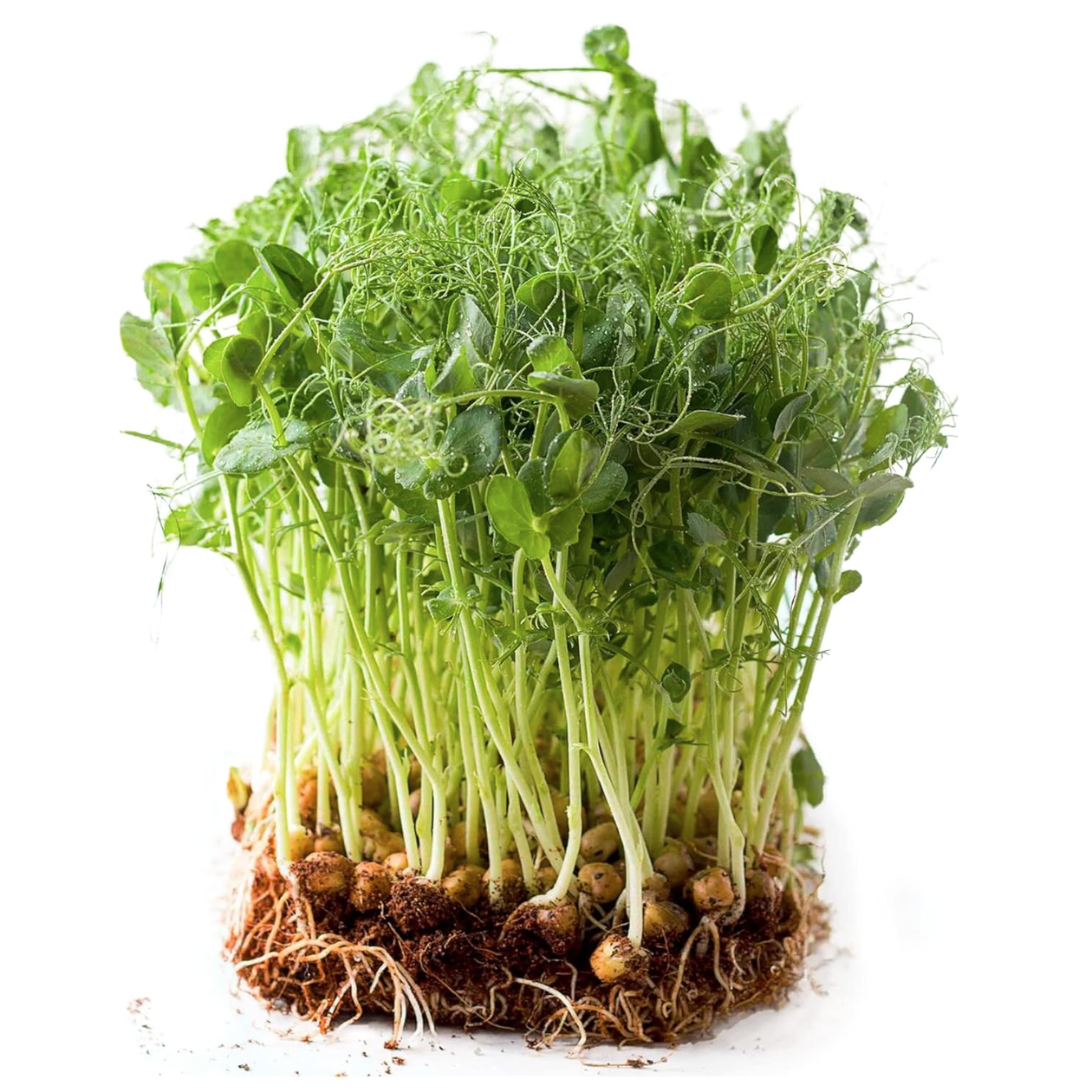
New York City Gardener holding freshly harvested pea shoot microgreens in hands
Close-up of mixed microgreens varieties growing together

Common Growing Issues

Why are my microgreens turning yellow?

Why It's Happening:

This usually happens from too much water or a lack of light. NYC apartments can be dark, and humid air keeps the soil wet for too long.

How to Fix It:

Make sure your tray has drainage holes. Only water when the soil feels dry. Adding a thin layer of worm castings to your soil can help provide the tiny boost of energy they need.

Why are they growing so slowly?

Why It's Happening:

Even though they are small, they still need energy. If your apartment is cool or the soil is poor, they will stall.

How to Fix It:

Use a heat mat if your windowsill is drafty. You can also mix a very small amount of compost into your soil before planting to give them a head start.

Why are they tall, skinny, and falling over?

Why It's Happening:

This is leggy growth. Tall buildings block the sun, so the tiny plants stretch as hard as they can to find light.

How to Fix It:

Move your tray to the brightest window you have. If you do not get 6+ hours of sun, you may need a small grow light to keep them short and strong.

Why are they wilting or drooping?

Why It's Happening:

Microgreens have tiny roots. If they are near a radiator or in a sunny NYC window, they can dry out and wilt in just a few hours.

How to Fix It:

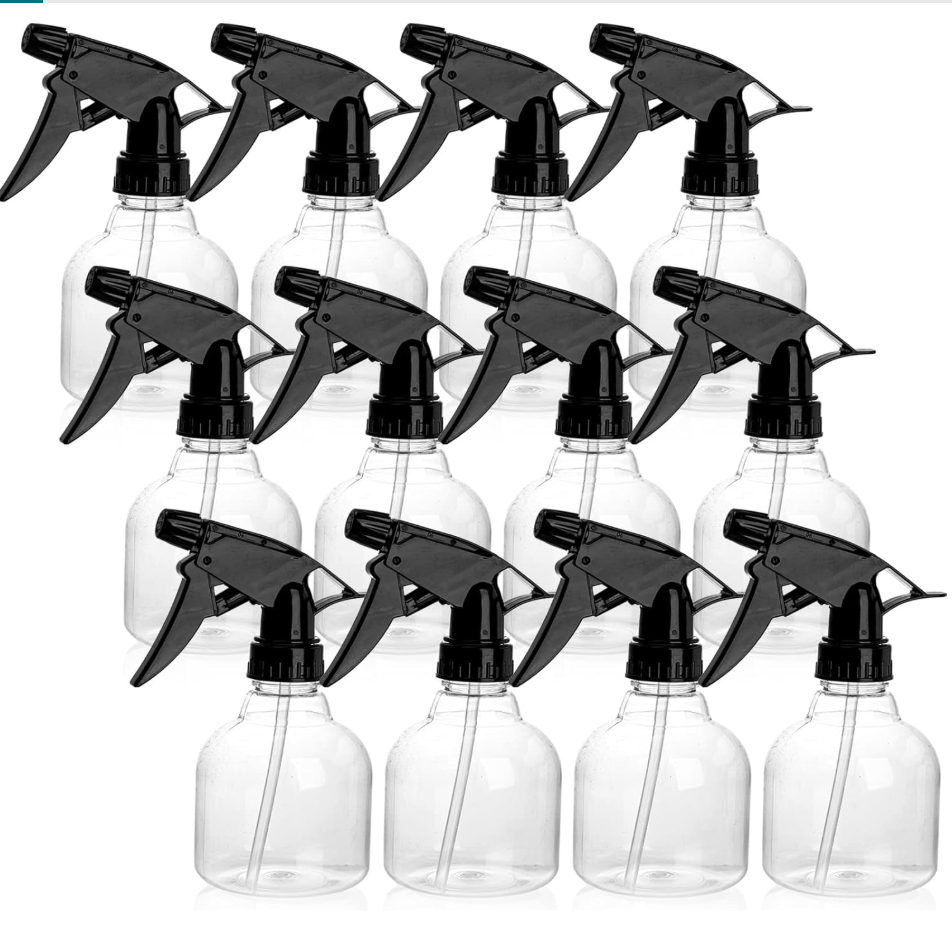
Check your plants twice a day. The soil should feel like a damp sponge. Use a spray bottle to mist the soil, but do not make it a swamp.

Why are the stems rotting at the dirt line?

Why It's Happening:

This is called damping off. It happens because NYC air is sticky and does not move well inside apartments, letting mold grow.

How to Fix It:

Use sterile soil from a store. Do not use dirt from outside. Use a small fan to keep the air moving near your trays. You can use beneficial nematodes in the soil to keep it clean.

Grows Together With (Companion Planting)

No items found.

Health & Nutrition Spotlight

Microgreens can contain up to 40 times more concentrated nutrients, like Vitamin E and polyphenols, than their full-grown counterparts.

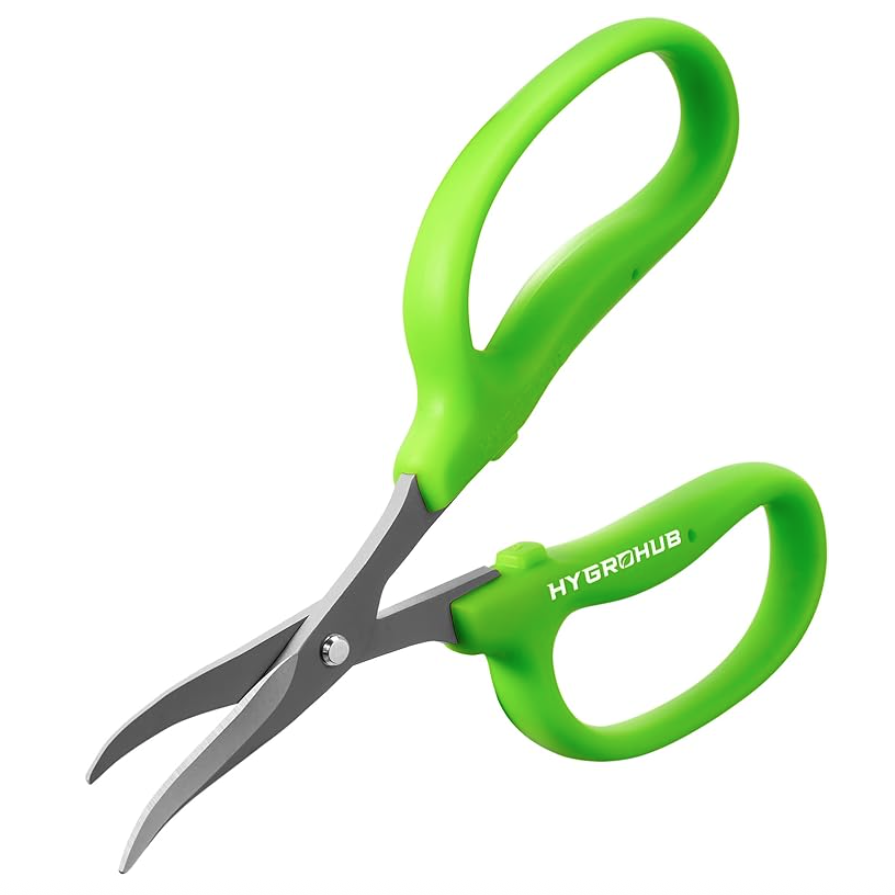
Curated Gear For Growing

Still have questions?

I'm here to help!